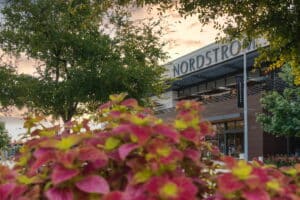
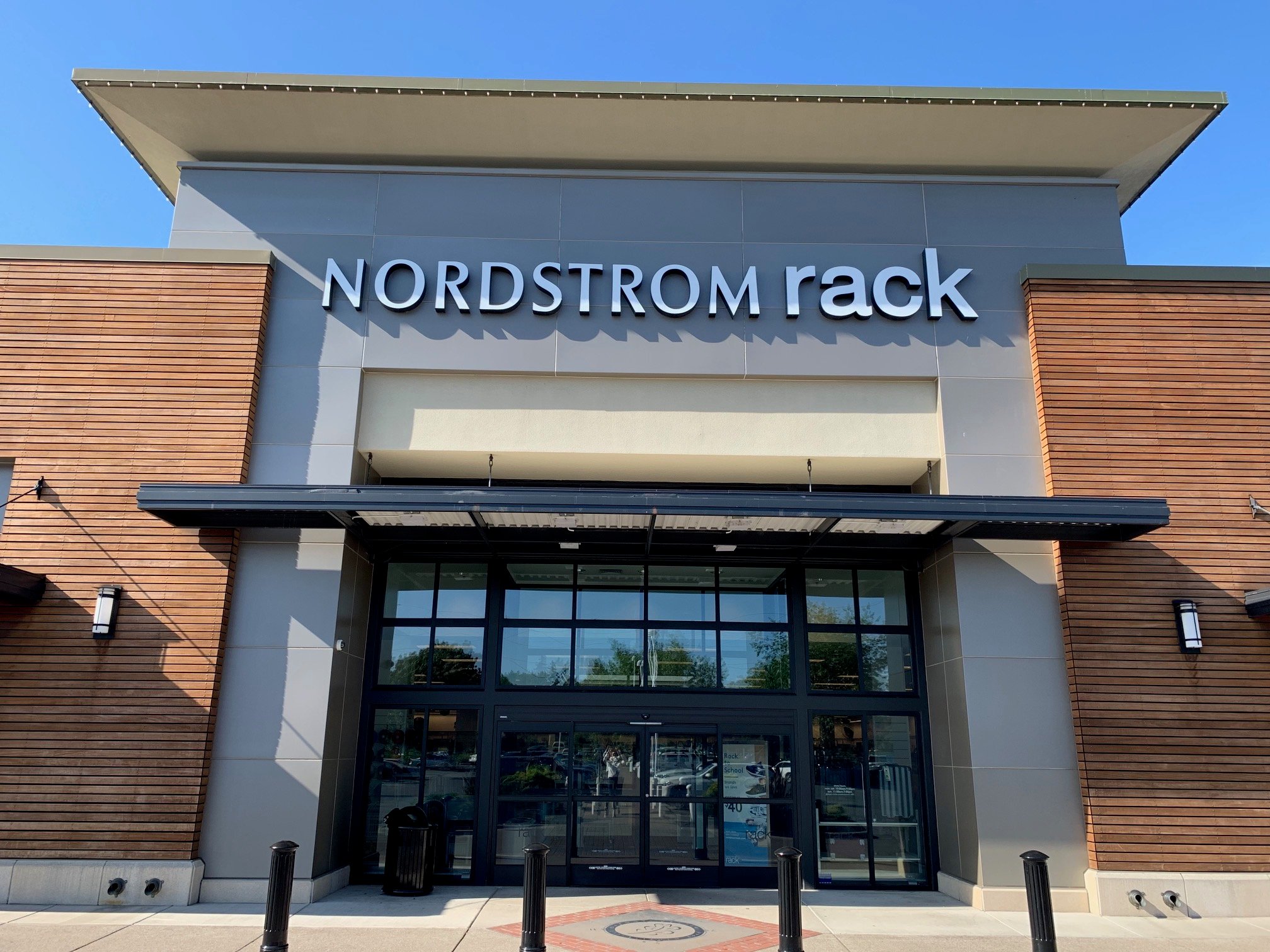
Nordstrom Rack is the off-price retail banner of Nordstrom Inc., the Seattle-headquartered upscale department-store company taken private by the Nordstrom family and El Puerto de Liverpool in a $6.25 billion transaction that closed in May 2025. The Rack format operates a substantially larger store count than the full-line Nordstrom banner and functions as the company’s primary unit-growth and customer-acquisition engine, introducing value-oriented shoppers to Nordstrom brands and merchandise at price points well below the full-line stores.
The Rack concept began in 1973 as a clearance operation in the basement of the downtown Seattle flagship, selling marked-down full-line overstock before evolving into a standalone off-price banner with its own real estate strategy, buying organization, and dedicated off-price merchandise. The assortment combines three inventory streams: full-line Nordstrom overstock and closeout product moved through the off-price channel, end-of-season clearance from the parent banner, and merchandise purchased specifically for Rack from the same brand vendors that supply the full-line stores. Apparel, footwear, accessories, beauty, and home goods carry discounts that typically range from 30% to 70% below full-line and department-store pricing, positioning the banner directly against Nordstrom’s off-price competitors, including Saks Off 5th, Bloomingdale’s The Outlet, T.J.Maxx, and Marshalls. The banner has carried the bulk of Nordstrom Inc.’s store-opening activity through the 2020s, with the company stating intentions to open Rack locations at a faster cadence than full-line stores for the foreseeable future.
Where the full-line Nordstrom store anchors premium regional and super-regional malls, Nordstrom Rack follows a different real estate logic entirely. The banner concentrates in power centers, outlet centers, and open-air community centers where surface parking, value co-tenancy, and convenience-driven catchment define the format. Within the Malls.com network, Rack positions cluster at high-traffic outlet and value destinations including Sawgrass Mills in Sunrise, Ontario Mills near Los Angeles, Potomac Mills in Northern Virginia, Great Lakes Crossing near Detroit, Fashion Outlets of Chicago, The Outlets at Orange in California, and Tempe Marketplace in Arizona, alongside super-regional and lifestyle positions at Mall of America, Downtown Summerlin in Las Vegas, Crocker Park near Cleveland, and City Point in Brooklyn. The typical Rack store occupies 30,000 to 40,000 square feet, a fraction of the full-line footprint, allowing the banner to enter retail formats and trade areas that the 140,000-to-300,000-square-foot full-line store cannot economically serve. For landlords of power centers and outlet properties, Nordstrom Rack is a value-anchor draw that brings the Nordstrom brand equity and a national customer base into formats where a full-line department store would never operate, making it one of the more actively pursued off-price tenants for operators building value-cluster co-tenancy alongside T.J.Maxx, Marshalls, Burlington, and similar off-price anchors.