

Every physical expansion decision starts with the same question: where does the store go?
The answer used to be straightforward. Department stores went into malls. Luxury went to high streets. Everything else negotiated for the best rent it could find.
That hierarchy no longer holds. In 2026, the same brand can operate a 7,000-square-metre mall store in Dubai Mall, a 1,400-square-foot high street unit in London, and a 78,000-square-foot standalone flagship in Manhattan, all in the same quarter.
Store format is not about location. It is about control.
In 2026, physical retail runs across three formats. Each has different economics, different risks, and different use cases.
Mall inline is the most common format for brands entering new markets. Malls are no longer just locations. They are traffic infrastructure. Co-tenancy drives foot traffic. Shared services reduce operating costs. The landlord curates the environment. The trade-off is reduced brand control: the landlord sets hours, manages common areas, and selects neighbours.
In the US, Class A mall occupancy runs at approximately 95 percent, with top properties like Roosevelt Field reaching $1,250 per square foot in sales. In India, international brands concentrated 78 percent of their Q1 2026 leasing in malls rather than high streets, according to Cushman & Wakefield.
High street offers maximum visibility, brand independence, and minimum margin tolerance. Rents on prime European high streets grew 3.6 percent year over year in Q4 2025 (JLL). Eight of the top 20 European luxury high streets recorded zero vacancy. Manhattan retail availability hit a record low of 13.7 percent in Q1 2026.
High street works for brands with strong standalone recognition, where the storefront itself functions as marketing. Salomon is signing street-level retail in Williamsburg and SoHo not because the unit economics justify the rent, but because the storefront positions the brand in a cultural context that mall inline cannot replicate.
Standalone or flagship is the rarest and most capital-intensive format. This is the highest-risk format in retail. The brand must generate its own foot traffic from zero, without co-tenancy or shared marketing. The economics only work when the brand has enough destination appeal to draw customers independently.
Primark operates at this scale: 78,000 square feet at Herald Square in Manhattan, 7,000 square metres at Dubai Mall. The model works because Primark has no e-commerce channel. Every sale must happen in the store.
The format decision is not primarily about rent. It is about five variables that interact differently depending on the brand’s stage and market position.
Market familiarity. Brands entering a new geography overwhelmingly choose malls. In India, 78 percent of international brand leasing went to malls in Q1 2026, even though high street rents in Delhi and Mumbai can be lower per square foot. The reason is risk management: in an unfamiliar market, the mall provides curated environment, pre-qualified customers, and institutional landlord infrastructure. Pacsun, expanding internationally for the first time, partnered with Majid Al Futtaim to open in Dubai malls rather than attempting high street retail in an unfamiliar city.
Channel control. Brands with strong DTC infrastructure can afford to be more selective about physical locations because they already own the customer relationship online. Levi Strauss, which crossed 50 percent DTC revenue in Q1 2026, operates across all three formats because each store functions as a data-collection node within an integrated channel architecture.
Productivity threshold. Each format has a minimum sales-per-square-foot requirement. Mall inline in a Class A US property typically requires $400 to $600 per square foot. Prime high street in London or Paris requires $800 to $1,200. Standalone flagship can require $1,500 or more. This is why off-price operators (Nordstrom Rack, Burlington, Ross) almost never appear on prime high streets: their margin structure requires 20,000-plus square foot formats at sub-$200 rents.
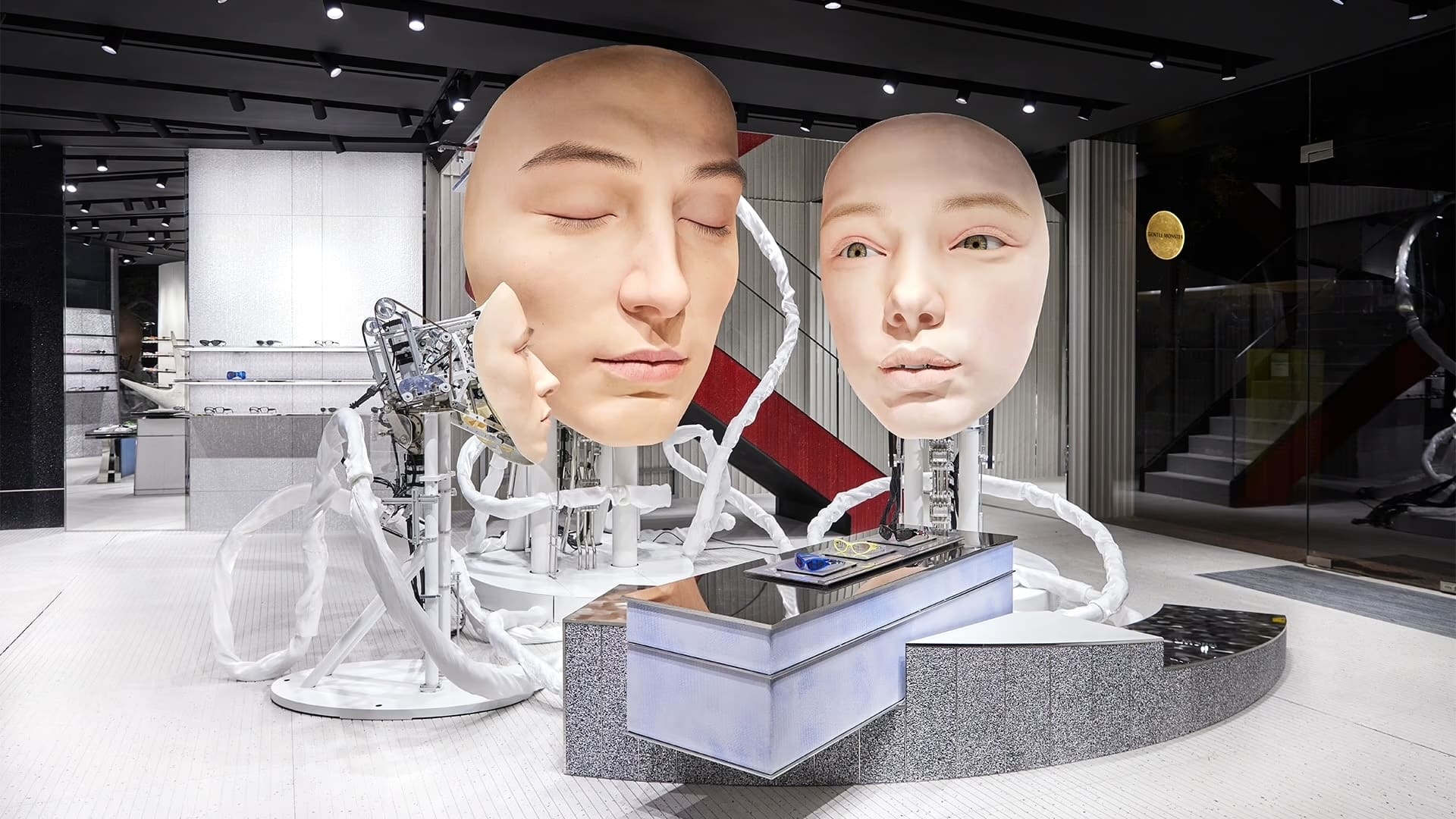
Brand narrative. Some brands choose a format for what it communicates, not for what it produces in revenue. Gentle Monster operates multi-floor HAUS concept stores where kinetic art installations rotate quarterly. The stores are not optimised for eyewear sales per square foot. They are optimised for content production. The physical space functions as a marketing channel whose ROI is measured in earned media.
Franchise structure. In the GCC, the format choice is often made by the franchise operator. Alshaya Group operates Primark, COS, H&M, and Victoria’s Secret across the Middle East. The operator’s relationship with mall landlords (Majid Al Futtaim, Emaar) determines where the store opens.
Mall inline outperforms high street when the brand is entering a new market, the product category benefits from comparison shopping, or the brand needs large format at a rent level that high streets cannot offer.
Uniqlo illustrates the split. The Japanese retailer confirmed 15 new US stores for 2026, targeting 200 in North America by 2027. The expansion mixes mall inline (Roosevelt Field, King of Prussia) with high street (Fifth Avenue, Michigan Avenue). Malls in suburban markets where foot traffic is aggregated. High street in dense urban markets where the storefront generates discovery. Same brand, two formats, driven by local conditions.
High street outperforms when the brand has strong standalone draw, when the target customer does not shop in malls, or when the brand’s positioning requires independence from co-tenancy associations.
Sarenza, France’s largest online footwear retailer, opened its first physical store at L’Atoll shopping centre in Angers in April 2026. It chose a mall because the brand is building physical awareness from zero and needs aggregated traffic. When Sarenza eventually opens in Paris, the format calculus will be different.

The strongest brands in 2026 do not choose one format. They operate across all three simultaneously.
Levi’s runs flagships on high streets (Times Square, Regent Street), mall inline in suburban centres, and outlets in power centres. Each format serves a different customer segment and margin profile, but all feed into the same DTC data infrastructure.
Birkenstock plans 40 new stores in 2026, shifting from wholesale to direct retail. The German footwear brand is placing stores in premium malls and high streets simultaneously, using owned retail to control pricing and customer data that wholesale could not protect.
The hybrid model works when the brand has sufficient infrastructure to connect inventory, customer data, and pricing across formats. Without that infrastructure, operating across three formats creates three separate businesses rather than one integrated channel.
The malls winning the highest-quality tenants in 2026 offer more than square footage. They offer foot traffic data, co-tenancy curation, flexible lease structures for first-market-entry brands, and capital investment in common areas that justify premium rents. The malls that cannot offer these compete on rent alone, which attracts tenants that cannot afford better locations.
JLL reports that prime high street rents grew 3.6 percent in Europe while prime shopping centre rents grew 2.6 percent. The gap suggests high street demand is tightening faster. But eight of Europe’s top 20 luxury high streets have zero availability. The brands that cannot secure high street space will go to malls, and the malls positioned to capture that overflow will benefit from a quality upgrade in their tenant mix.
The leasing teams that understand the format logic above can predict tenant demand before the broker call arrives.
That is where the advantage is.
For more on mall quality polarization, see The K-shaped mall: why 100 properties are worth more than the other 800 combined. For tracked expansion signals across 50+ countries, download the Brand Expansion Signals 2026 report. For weekly intelligence on store openings and retail real estate, subscribe to Malls Money.
The vendors and deployments behind shopping advice, store navigation and retail operations, with a closer look at what it takes…
Miss A, Rowan and HEYTEA are on US mall opening lists in fall 2026. Their public records show what each…
Gross margins and selected profit metrics for Coach, Pop Mart, lululemon, Miniso, Five Below, TJX and Costco, plus where each…
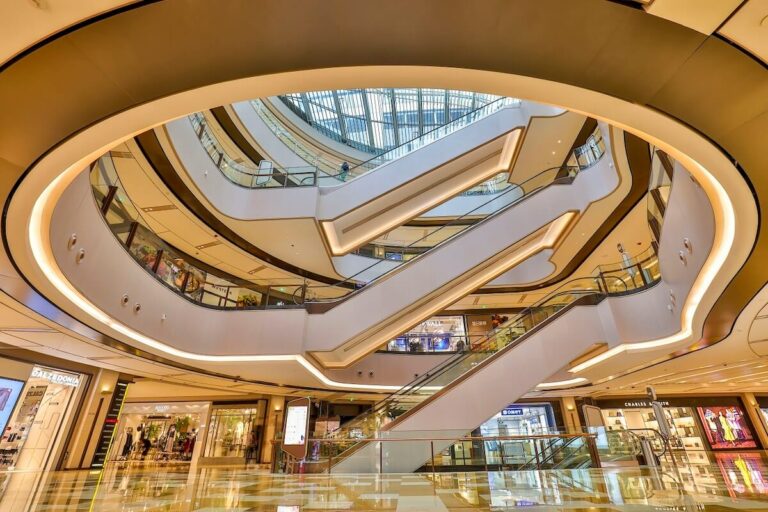
NikeSKIMS, Birkenstock and Starbucks Reserve chose HKRI Taikoo Hui for major China debuts. Why the Shanghai complex keeps winning new…
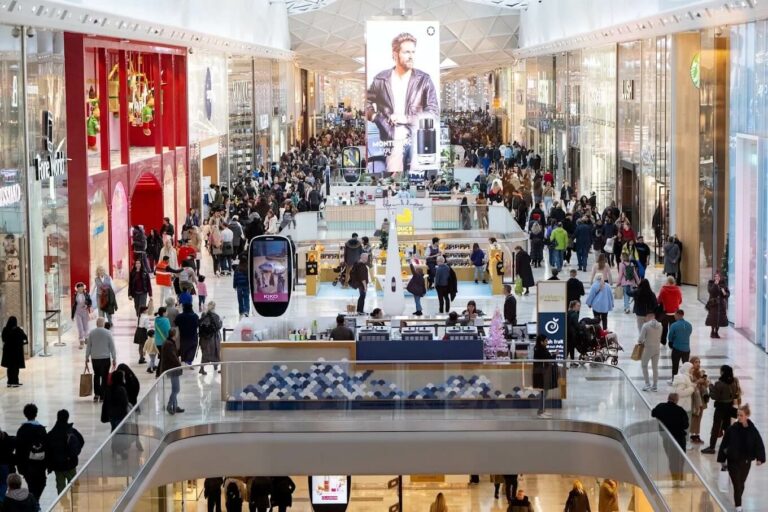
Bluewater opens its first new anchor since 1999. Next takes the former House of Fraser space with about 132,000 square…
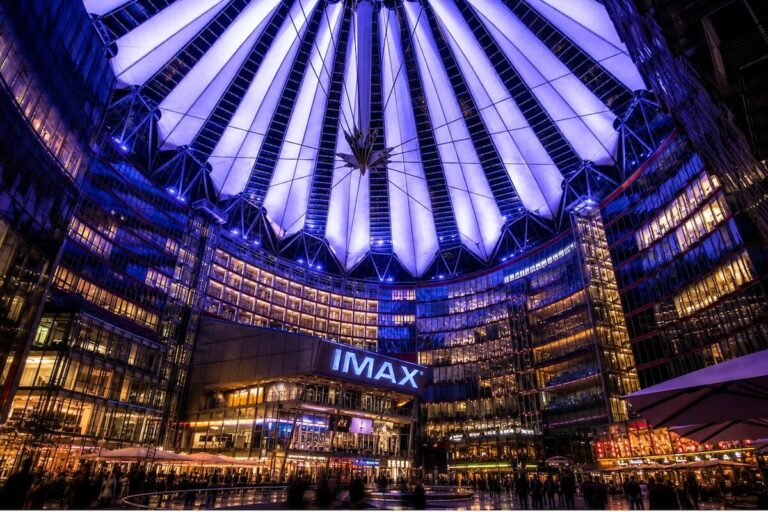
Opening in IMAX 70mm on July 17, 2026: Christopher Nolan's The Odyssey. Select shows went on sale one year in…
