
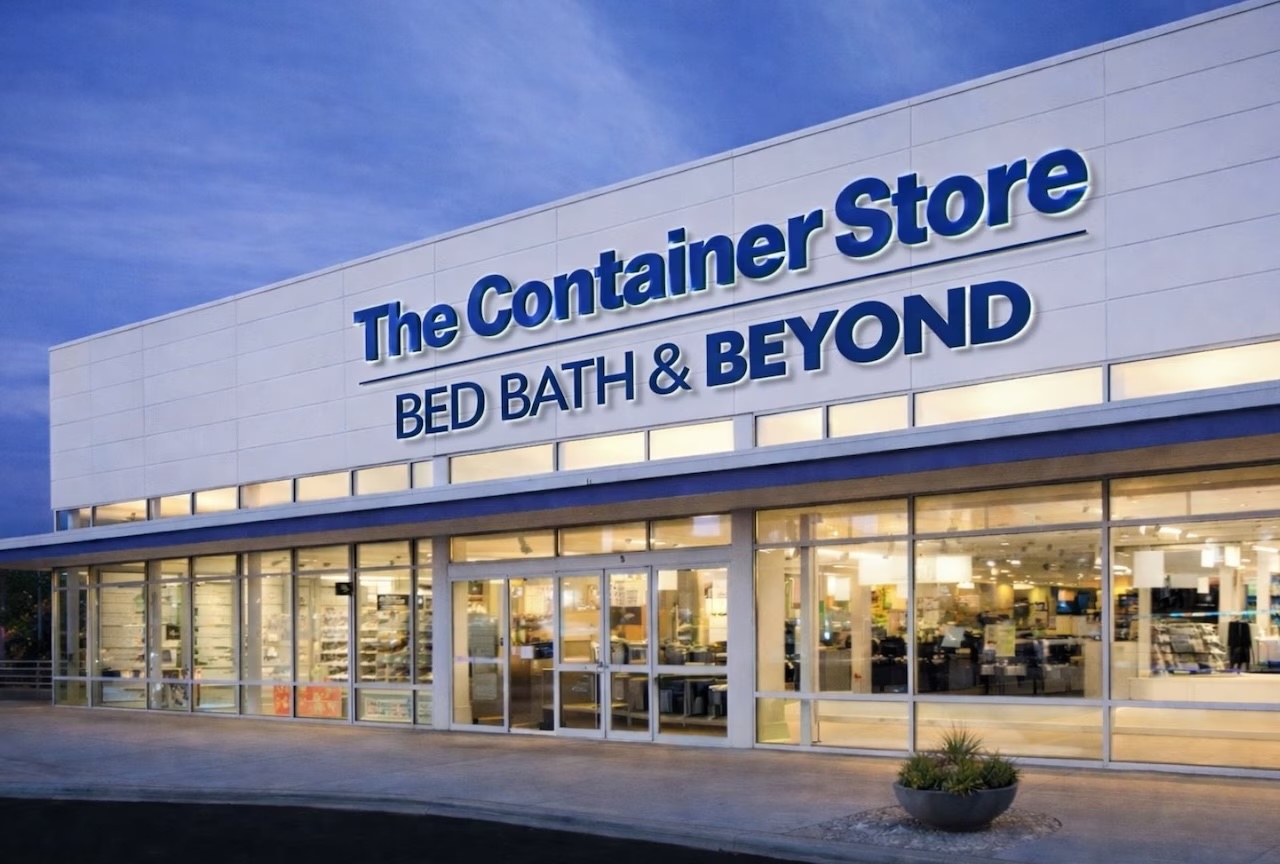
Physical stores still drive most retail sales, fulfill online orders, support AI shopping, and help brands return to market.
The story most people still tell is simple: e-commerce displaced the store.
The data is saying something else.
Stores still capture most retail sales. They now also fulfill online orders, process returns, host AI-assisted shopping, support brand trust, and give retailers a cheaper way to handle the last mile.
The physical store did not get displaced.
It got reassigned.
Colliers’ Spring 2026 US Retail Report puts the share of American retail sales still flowing through stores at 85.1 percent. Seventy-one percent of US retailers grew their physical footprint this year. The headline number you may have been told was retreating in 2018 has, in fact, barely moved.
What changed is not whether the store still matters. What changed is the work it now does.
One in four online orders is now fulfilled inside a physical store. IHL Group’s forecast for 2030 is 35.4 percent. The store is no longer a competitor to the website. It is the warehouse the website ships from.
BOPIS, the workflow that lets a shopper buy online and pick up in store, now accounts for 8.9 percent of total US retail revenue. That figure is up 71 percent year over year. Only 18 percent of retailers report having fully optimized the process. The infrastructure exists. The margin opportunity inside it is still being built.
In plain terms: the store you walk into is doing work the website used to claim. It holds the inventory. It absorbs the cost of last-mile delivery. It processes the return when the package does not fit. The staff who handle the customer service ticket that started online are standing behind a counter. The boundary between e-commerce and physical retail is no longer where the order is placed. It is where the order is handled.
Macy’s reports that customers using its AI shopping assistant spend approximately four times more than other customers. Nearly 40 percent of major US retailers have deployed AI shopping assistants of some form. By the end of 2026, the share of consumers using AI agents for product discovery is projected to more than double, from 19 percent to 46 percent.
The store is the place where these tools resolve. A shopper asks an AI assistant what jacket fits her measurements and the weather forecast. The recommendation arrives on her phone. She walks into the store to confirm the fit, complete the purchase, and walk out with the product. The AI is the discovery layer. The store is the resolution layer.
Experimental cases go further. Colliers cites Andon Labs’ Luna, an AI-operated retail concept in San Francisco, as an early signal of how far the model could move. For now, the practical point is simpler. AI may shape discovery, but the store still resolves fit, service, pickup, returns, and trust.
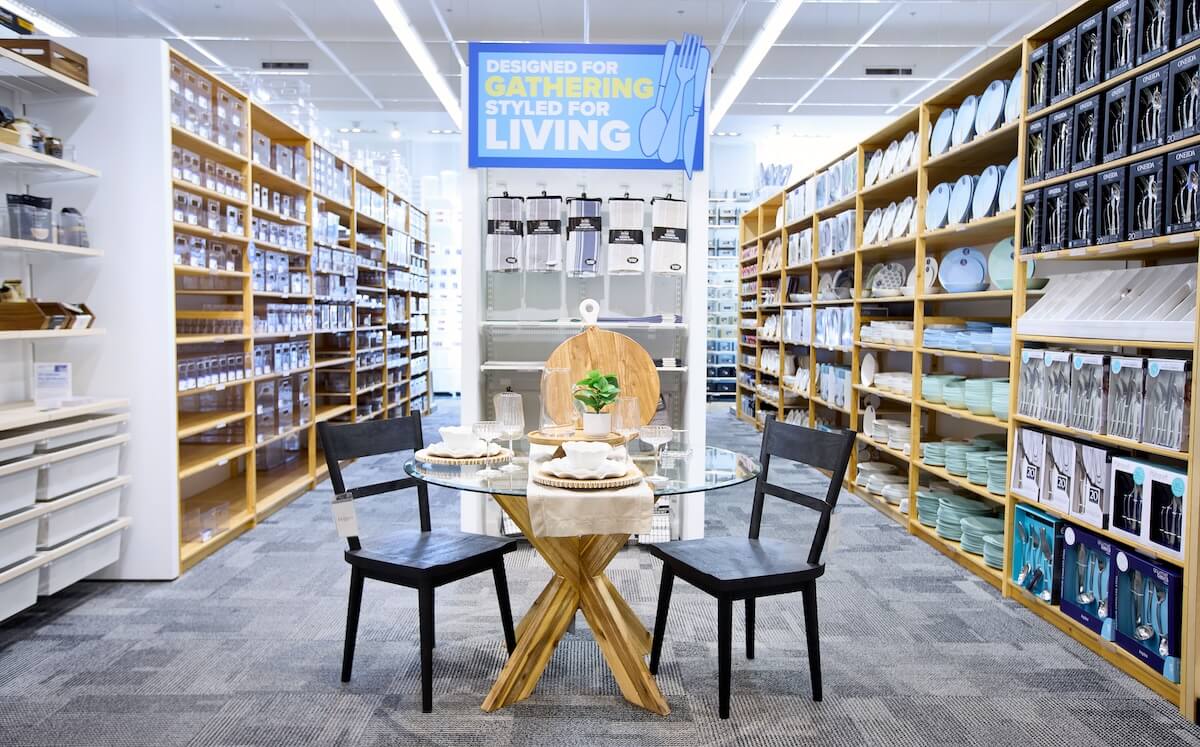
On April 24, 2026, The Container Store launched a nationwide reset across all 98 of its US locations. On May 16, the first co-branded store opened in Fort Worth, Texas: The Container Store + Bed Bath & Beyond. New signage. New merchandise. Same lease.
This is the first physical retail presence the relaunched Bed Bath & Beyond brand has held since the original chain closed its stores in 2023. The brand returned without rebuilding a standalone store network. It entered The Container Store’s existing footprint, lease structure, and operating envelope. Two brand names. One operator. Ninety-eight locations.
Wayfair is moving from the opposite direction. The digital-native home retailer confirmed a 130,000 square foot store at Center of Cincinnati, opening in 2027. Large format. Suburban high-traffic corridor. Design services and immediate-takeaway inventory under one envelope. One legacy brand returns through another retailer’s shell. One online retailer builds a large-format shell of its own. Both arrive at the same conclusion. Home retail needs physical infrastructure.
The flagship store used to be a luxury construct. A Louis Vuitton building on Fifth Avenue. A Tiffany Landmark. A Prada Epicenter. The 2025 expansion dataset largely sampled the format inside luxury maisons.
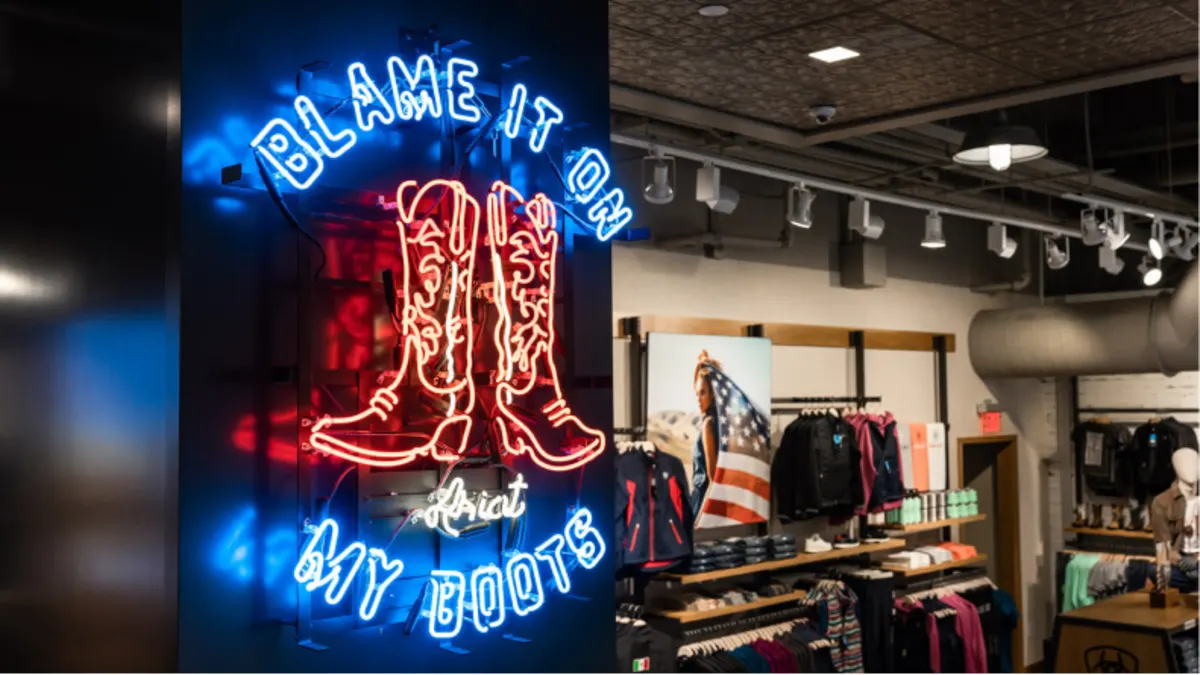
Twelve months later, the same logic is operating somewhere else entirely. In 2026, Ariat International will open its largest store anywhere on the planet at Mall of America in Bloomington, Minnesota. 10,500 square feet. First-to-market concept. Bigger than the brand’s Las Vegas flagship. Ariat is not luxury. The brand is Western, workwear, and performance lifestyle. The address is a 1990s super-regional mall in suburban Minneapolis.
Same playbook. Different category.
The point is not that every brand needs a flagship. The point is that some stores now carry more than local sales. They carry brand trust, category authority, content, service, and omnichannel demand. That logic now runs beyond luxury, into workwear, athleisure, home, and consumer technology.
In Q1 2026, US retail real estate transaction volume hit $19 billion. ICSC’s own data calls it the strongest first quarter for retail real estate in 10 years.
On May 6, Macerich paid $272 million for Annapolis Mall in Maryland. The mall came with 353,000 square feet of new tenants signed but not yet open: Dick’s House of Sport, Dave & Buster’s, Tesla, Uniqlo, lululemon expansion, OFFLINE by Aerie, Abercrombie, Pop Mart, Jack & Jones. Macerich paid the premium not for the property’s current operating performance, but for the pipeline that has been signed and not yet delivered.
For investors and operators, the lesson is not that every mall is suddenly worth more. It is that the most valuable retail assets are the ones with a clear operating role: fulfillment, service, category authority, tenant pipeline, or brand infrastructure.
The retail story most analysts have been telling for ten years was that e-commerce displaces stores. The retail story the data is telling now is different.
Stores still capture 85 percent of US sales. They also fulfill the online orders meant to bypass them, host the AI tools shaping what consumers buy, absorb the cost of last-mile delivery, anchor the brand’s return after a closure cycle, and define the format that capital is now paying for.
The store is becoming the operating layer of retail.
That is why retailers still need space.
That is why brands can return through shells they do not own.
That is why a Western workwear company is opening its biggest store anywhere in a Minnesota mall.
That is why Macerich is paying for leases that have not opened yet.
The next cycle of retail will not be measured by store count. It will be measured by what the store is now built to do.
Gross margins and selected profit metrics for Coach, Pop Mart, lululemon, Miniso, Five Below, TJX and Costco, plus where each…
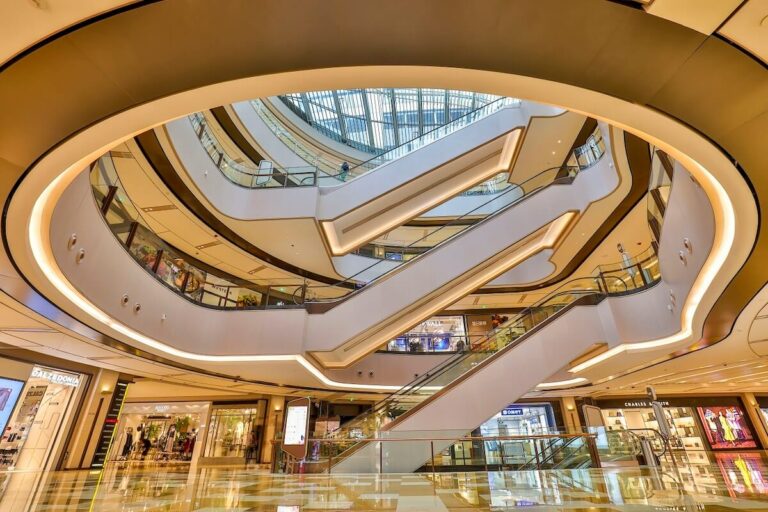
NikeSKIMS, Birkenstock and Starbucks Reserve chose HKRI Taikoo Hui for major China debuts. Why the Shanghai complex keeps winning new…
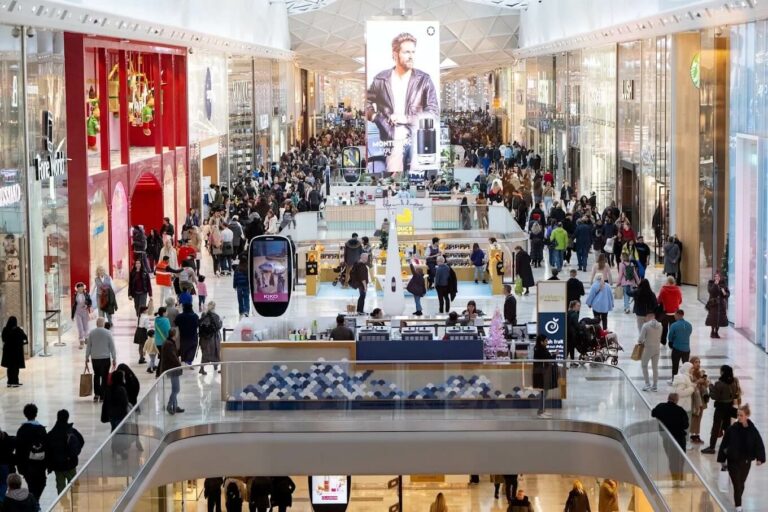
Bluewater opens its first new anchor since 1999. Next takes the former House of Fraser space with about 132,000 square…
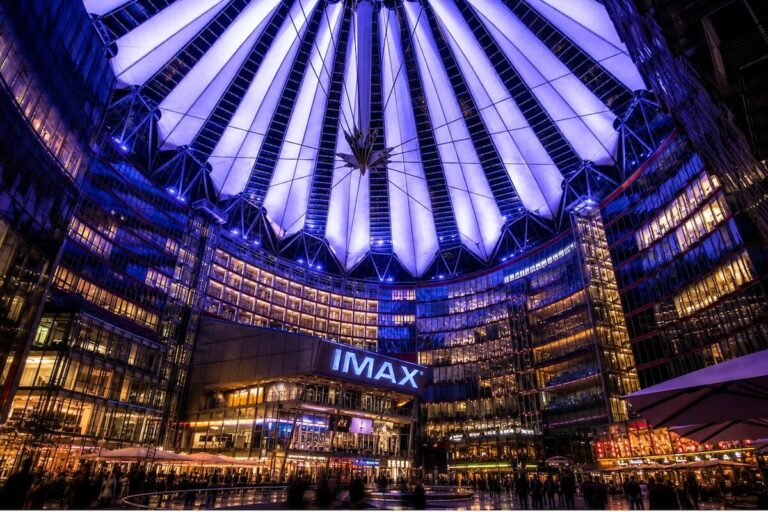
Opening in IMAX 70mm on July 17, 2026: Christopher Nolan's The Odyssey. Select shows went on sale one year in…

European retail is scaling AI, agentic commerce and retail media, but consumer trust is becoming the constraint. Four structural shifts…
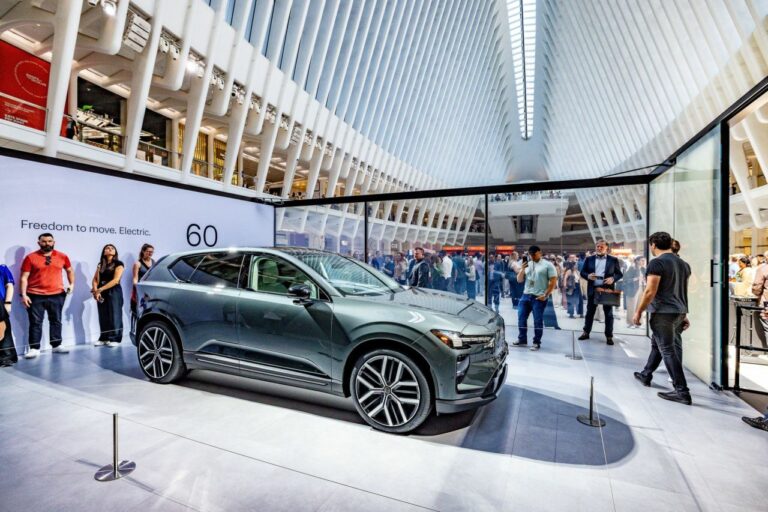
Mall operators are no longer leasing space for pop-ups. They are selling audience access.
