

Flagship stores at the mall include Diesel, Replay, Hugo Boss, Emporio Armani, and Paul Smith.
India’s modern retail market took its first significant step since the pandemic events. The Jio World Drive luxury mall opened in the financial center of Mumbai. Flagship stores at the mall include Diesel, Replay, Hugo Boss, Emporio Armani, and Paul Smith. According to the concept, 55% of the space is occupied by fashion brands, while 32% is occupied by cafes, restaurants, and a food court.
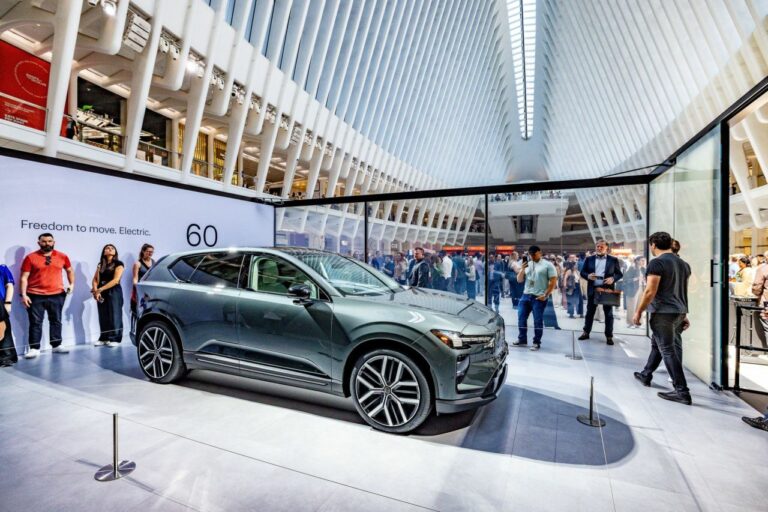
The complex includes 72 stores and 27 catering outlets, and a conceptual pop-up zone called The White Crow, where various brands lease space for up to three months, generating additional traffic. In addition, the mall has a particular grocery market on weekends, the first of its kind in the country, a drive-in movie theater on the roof, and a conceptual food marketplace.
The lack of a quality platform for buying premium and luxury goods in the most affluent areas of the city has been a problem for years. Palladium, Phoenix Market City, and Orbit malls are too far away from the Bandra and Khar areas.
Now, with the opening of the new Jio World Drive, the situation is changing. The complex is owned by Indian billionaire Mukesh Ambani’s Reliance, with an estimated annual turnover of $21.6 billion. The corporation runs more than 12.7 thousand stores in 7 thousand locations in India.
The CEO of the new mall is Darshan Mehta, head of Reliance Brands Ltd. The company develops more than forty global brands in India, including Emporio Armani, Ermenegildo Zegna, and Diesel.
“Six to seven million people in India traveled abroad every year, and about 20 percent of them were high-income. Those 1.5 million returned to the country, and they have become a significant audience for premium and luxury shopping in India,” Mehta commented, noting that the market is changing rapidly. Global brands are finally interested in selling new collections in the country.
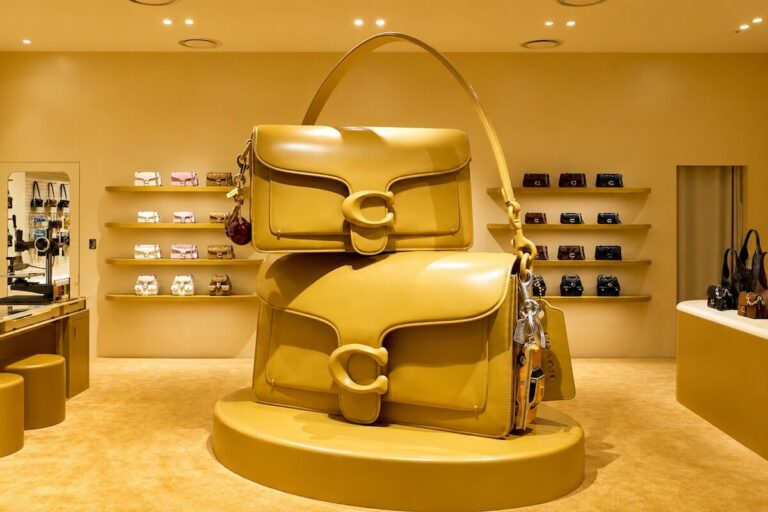
Gross margins and selected profit metrics for Coach, Pop Mart, lululemon, Miniso, Five Below, TJX and Costco, plus where each…
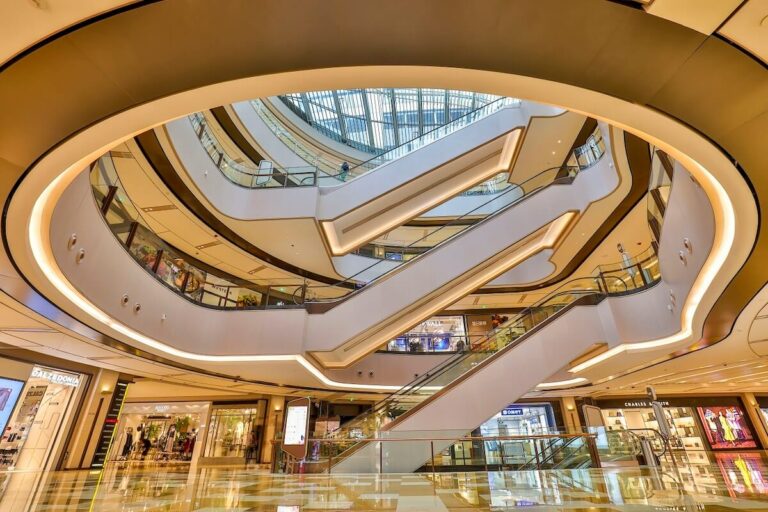
NikeSKIMS, Birkenstock and Starbucks Reserve chose HKRI Taikoo Hui for major China debuts. Why the Shanghai complex keeps winning new…
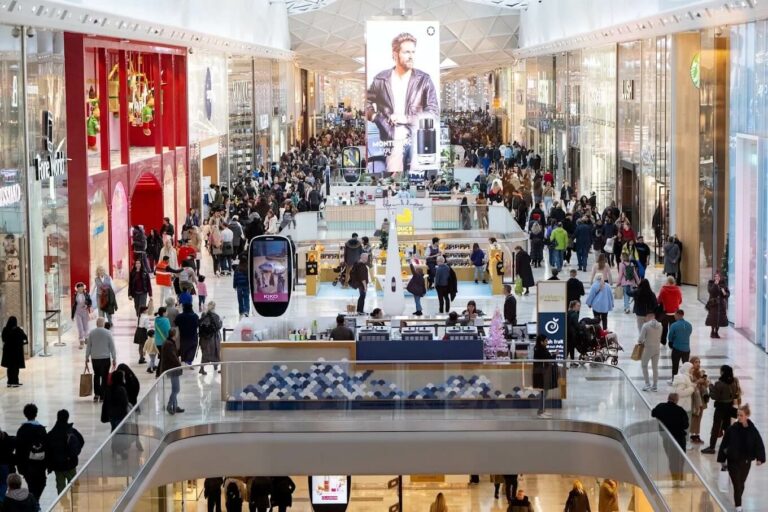
Bluewater opens its first new anchor since 1999. Next takes the former House of Fraser space with about 132,000 square…
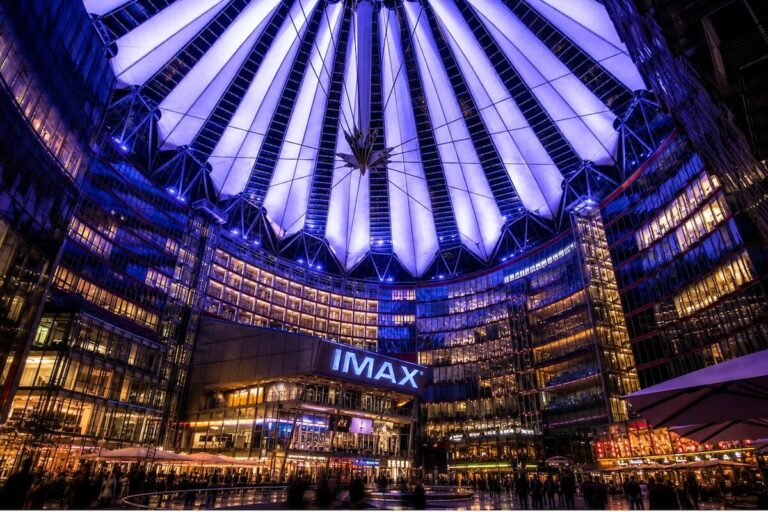
Opening in IMAX 70mm on July 17, 2026: Christopher Nolan's The Odyssey. Select shows went on sale one year in…

European retail is scaling AI, agentic commerce and retail media, but consumer trust is becoming the constraint. Four structural shifts…
Mall operators are no longer leasing space for pop-ups. They are selling audience access.
