
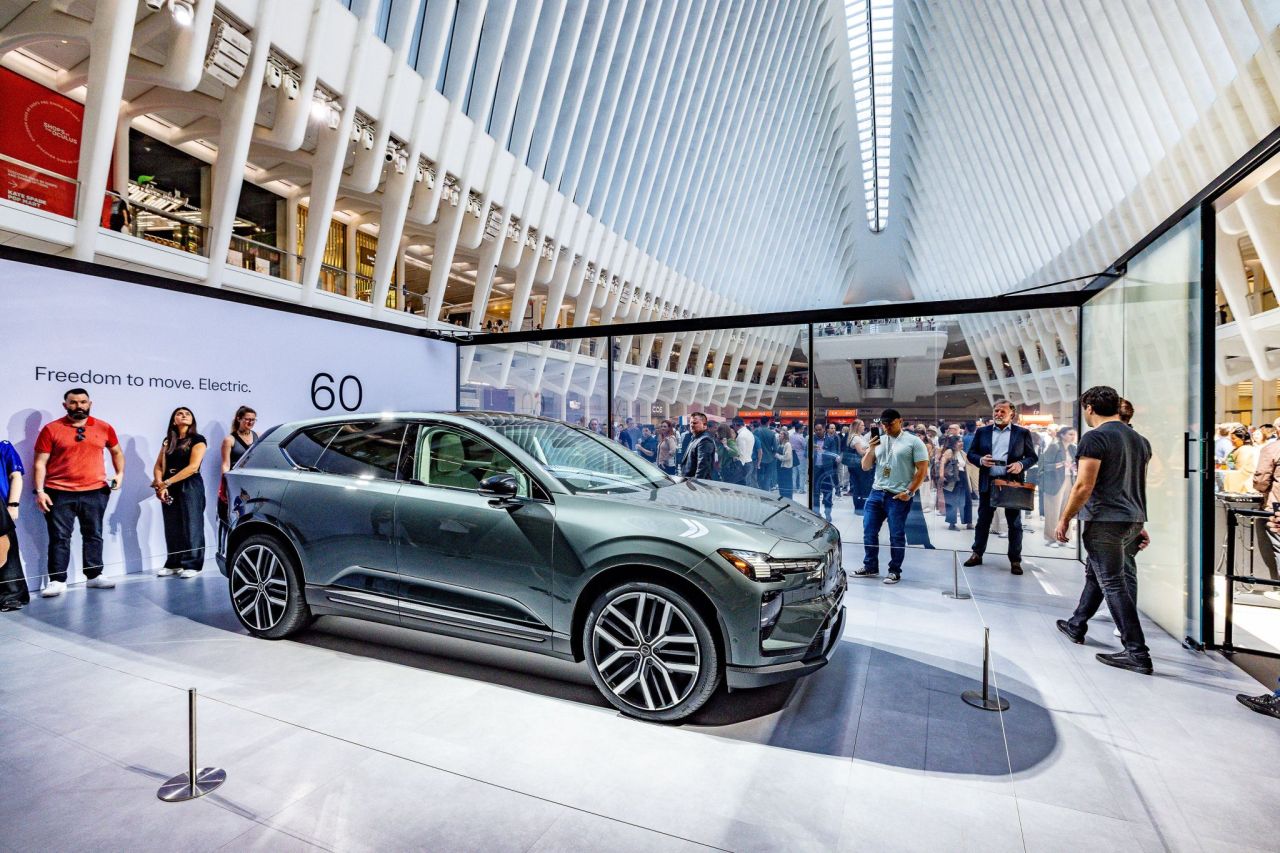
Mall operators are no longer leasing space for pop-ups. They are selling audience access.
A mall pop-up used to mean temporary retail space. A brand that was not ready to commit to a permanent lease could test a location, read the demand signal, and decide. That use case still exists. But for the operators running the largest mall portfolios in the world, the pop-up is now something else: a media product with a brief, a campaign window, and a measurable audience.
The shift is structural. What changed is not the format. It is what the operator is selling inside it.
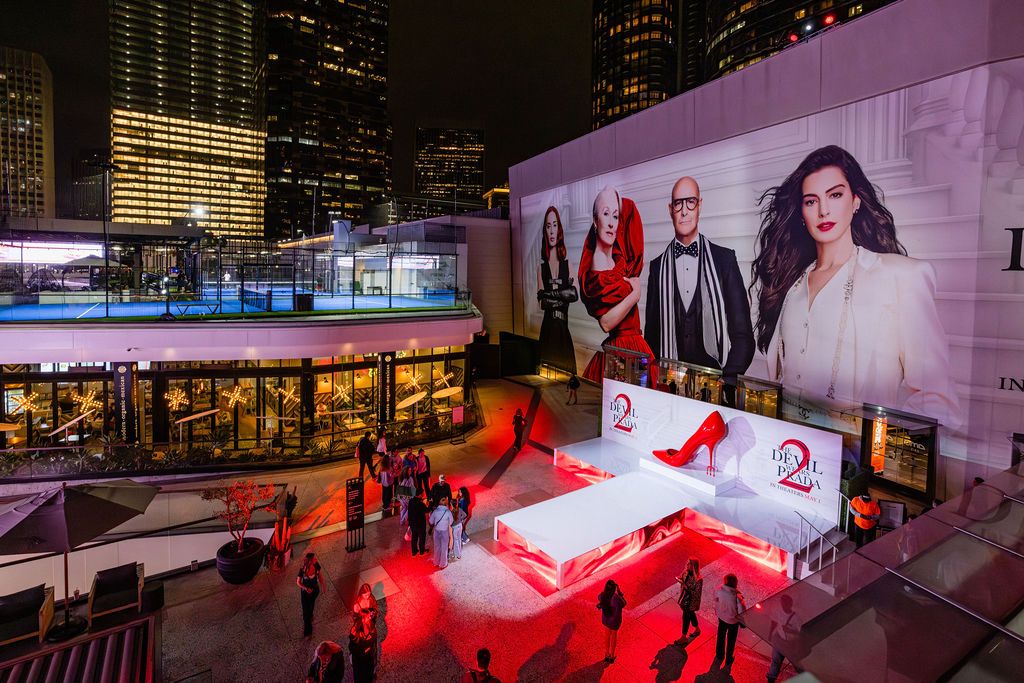
Between April and the end of May 2026, six brands activated inside the same atrium at Westfield Century City in Los Angeles. 20th Century Studios and Prada used it for The Devil Wears Prada 2. Apple TV+ used it for Emmy FYC consideration. Disney used it for Star Wars. Dr. Martens used it for a seasonal footwear launch. Each brand arrived with a different brief. The space stayed the same. The footfall stream stayed in place. The brand rotated.
URW‘s commercial product for this has a name: Westfield Rise, its platform for brand experiences inside Westfield destinations. The naming is significant. URW is not describing a leasing programme. It is describing a media platform with repeatable inventory.
AMC Theatres sits adjacent to the atrium as a permanent layer. It is not part of the rotation. It is what makes the rotation more valuable: a cinema that draws consistent foot traffic into each activation window regardless of which brand is occupying the space that week.
The same model operates at landmark scale. Volvo launched the EX60 globally at The Oculus, Westfield World Trade Center, in May 2026. Four days. Global CEO reveal. A building with roughly 250,000 daily visitors. Westfield did not lease Volvo a store. It sold Volvo four days of audience access that would be difficult to replicate through a standard media plan.
Once brands understood that a mall pop-up could function as a campaign unit rather than a store test, the next step was obvious: run the same campaign across multiple malls simultaneously.
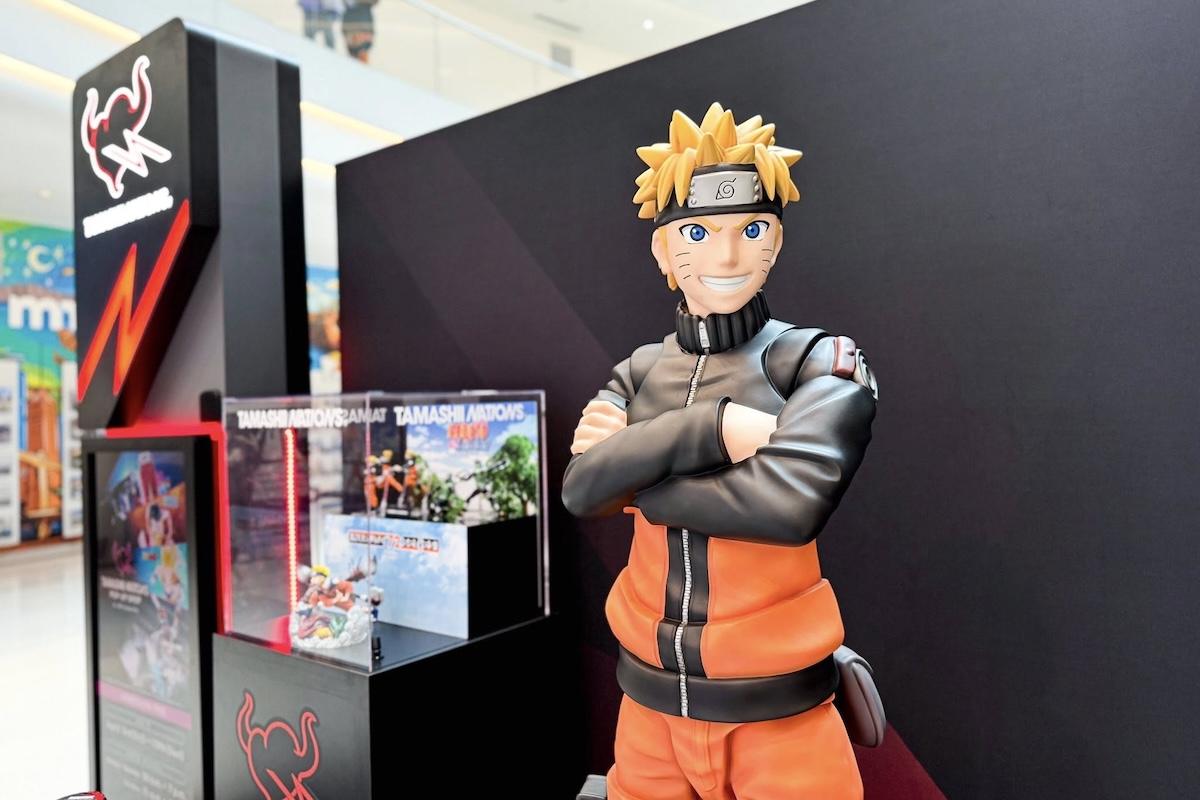
Bandai Namco activated at Mall of America in Bloomington, Aventura Mall in Aventura, Barton Creek Square in Austin, and The Shops at Santa Anita in Arcadia during the same window in 2026. Four US markets, one format, one campaign. Malls.com tracks all four as pop-up store presences within the same period.
Clarins ran the UK version: Westfield London, Trafford Centre in Manchester, and Eldon Square in Newcastle. Three cities, same brand, coordinated launch.
Neither brand opened stores. Both brands distributed a campaign through the mall infrastructure. The mall became the distribution network. The pop-up became the creative unit. For the operator, this means something specific: it is no longer selling an isolated activation slot. It is selling market coverage at scale, across a portfolio.
The clearest signal that the pop-up has matured into a media product is that lease duration has become a strategic specification rather than a negotiating point.
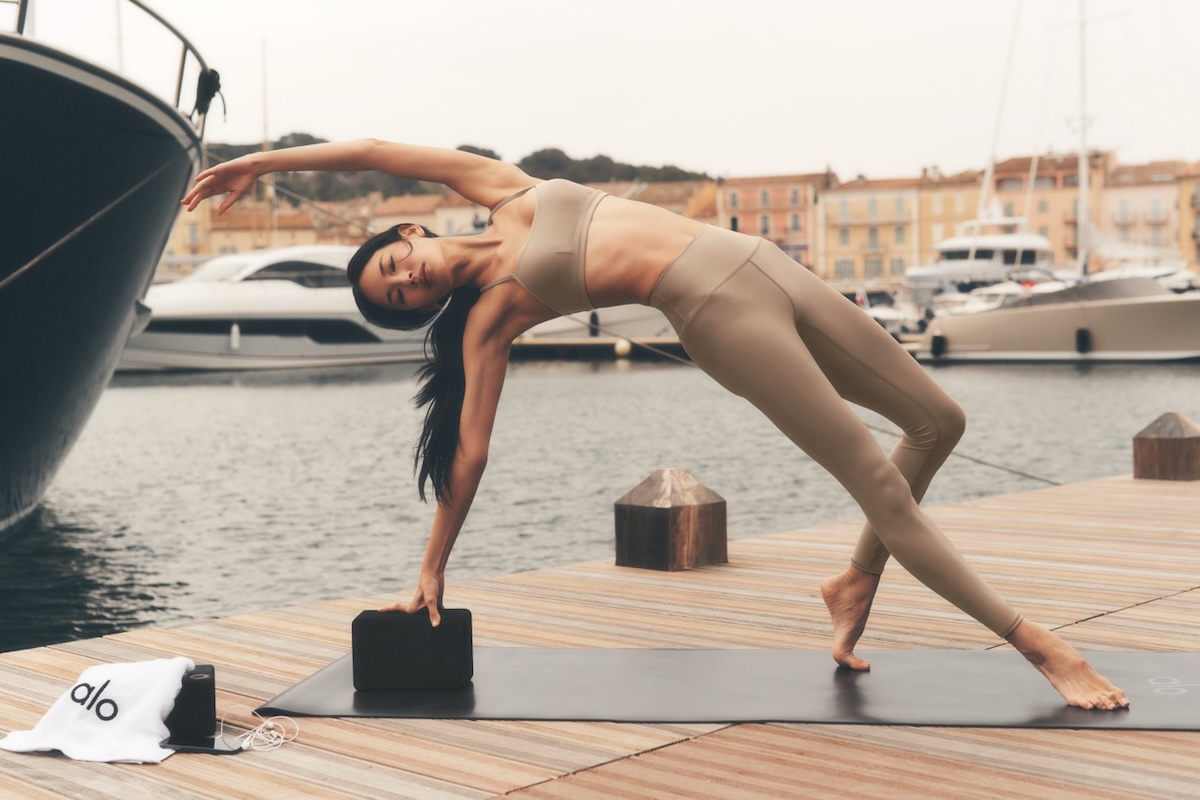
Alo Yoga opened a permanent flagship at Chatswood Chase in Sydney on May 24, 2026. During the same May window, the brand was running a seasonal pop-up on Rue d’Antibes in Cannes, targeting a concentrated luxury audience during the film festival. One brief for a deep market entry. A different brief for seasonal audience capture. Both running simultaneously under the same brand, with different lease durations encoding different commercial intentions.
Disney makes the logic explicit in the format name itself. Disney Store Limited Time at Ross Park Mall in Pittsburgh carries a defined 30-day window. Westfield Garden State Plaza in Paramus is planned for fall 2026 under the same format name. Limited Time is not a constraint. It is the product specification.
Pop Mart shows the full arc. Touring pop-ups at Sunway Pyramid and Simon malls across 2024 and 2025 built US market familiarity and a domestic collector base. A permanent 7,000 sq ft flagship at 1540 Broadway in Times Square follows in the second half of 2026. The touring pop-up was not only a test for the flagship. It was the first chapter of a market entry sequence in which each lease duration served a different purpose.
Lease duration now encodes the brief. Four days signals audience capture. Thirty days signals brand awareness. One season signals market testing. Permanent signals network intent. The operator who reads lease duration as a campaign signal, rather than a real estate variable, is working with a fundamentally different tool.
Simon Property Group launched first-party retail data capabilities through its Simon Media & Experiences division, giving brands access to consumer trends, demographics, and purchasing data drawn from Simon’s portfolio. A pop-up activation inside a Simon mall is now a node in a data-linked media product. The brand is not only occupying temporary floor space. It is accessing a defined audience with measurable characteristics.
Retail media has become one of the fastest-growing advertising categories globally. The operators building media products inside their physical footprint are entering that market. The pop-up is the format that sits at the intersection: short-duration, high-attention, audience-targeted, and measurable in ways that a permanent lease is not.
For brands, the practical implication is that the brief for a mall pop-up should be written differently from the brief for a permanent store. The question is not where the brand should be located. It is what audience the brand needs to reach, during which window, at which point in the campaign calendar. The mall that can answer those questions is competing with media agencies as much as it is competing with other landlords.
The mall pop-up is not disappearing into the permanent store. It is developing into a format category with its own economics, its own measurement criteria, and its own commercial infrastructure. The brands treating it as a media buy are extracting different value from it than the brands treating it as a temporary store.
The operators building rotation products, tour networks, and audience data platforms around temporary activations are not filling vacancy. They are building a second revenue model inside the same physical asset.
The permanent store fills a lease. The pop-up fills a campaign window. Both have a role. What changed in 2026 is that the industry stopped treating them as versions of the same thing.
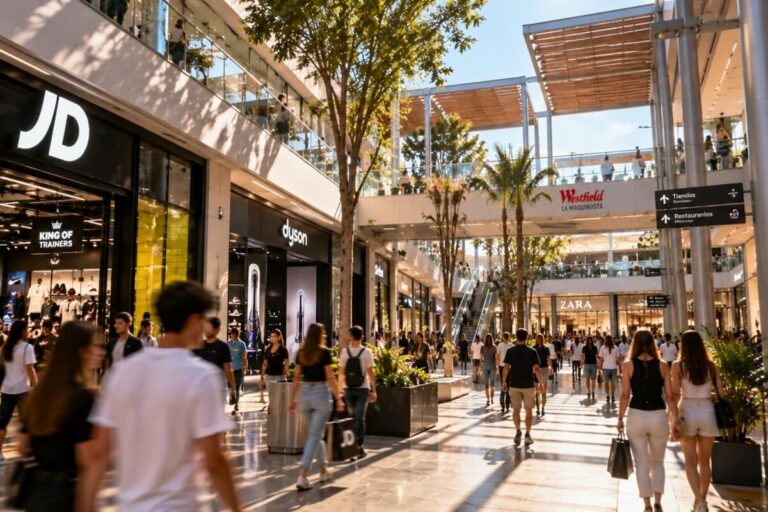
The vendors and deployments behind shopping advice, store navigation and retail operations, with a closer look at what it takes…
Miss A, Rowan and HEYTEA are on US mall opening lists in fall 2026. Their public records show what each…
Gross margins and selected profit metrics for Coach, Pop Mart, lululemon, Miniso, Five Below, TJX and Costco, plus where each…
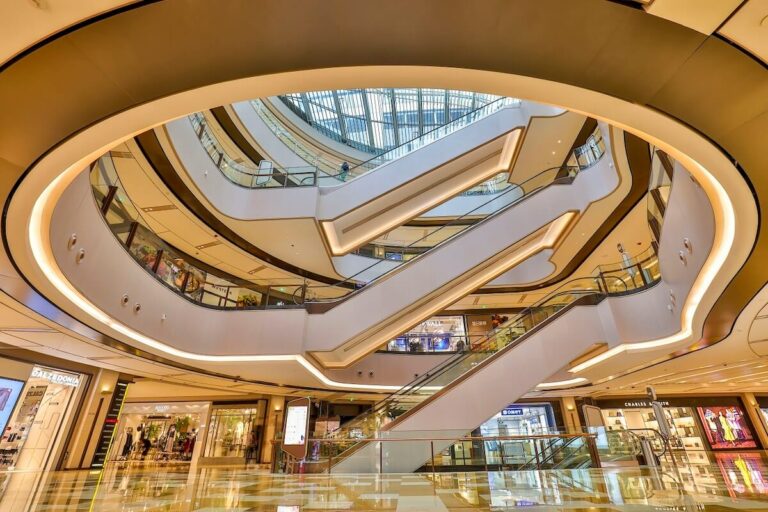
NikeSKIMS, Birkenstock and Starbucks Reserve chose HKRI Taikoo Hui for major China debuts. Why the Shanghai complex keeps winning new…
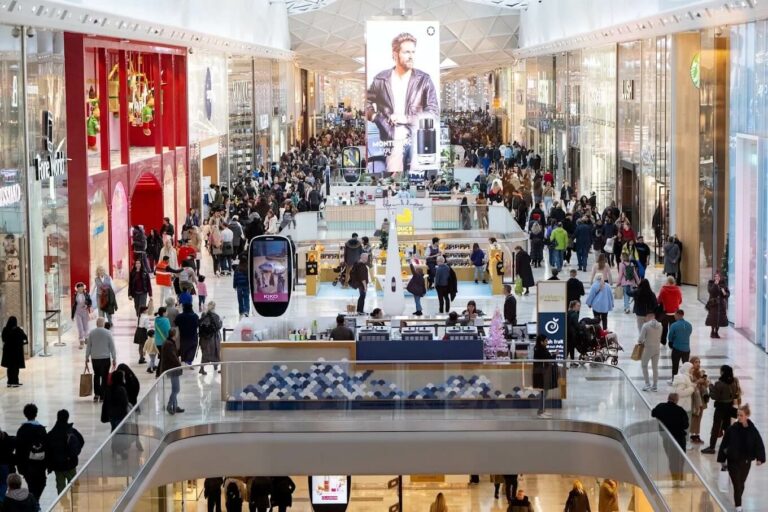
Bluewater opens its first new anchor since 1999. Next takes the former House of Fraser space with about 132,000 square…
Opening in IMAX 70mm on July 17, 2026: Christopher Nolan's The Odyssey. Select shows went on sale one year in…
