
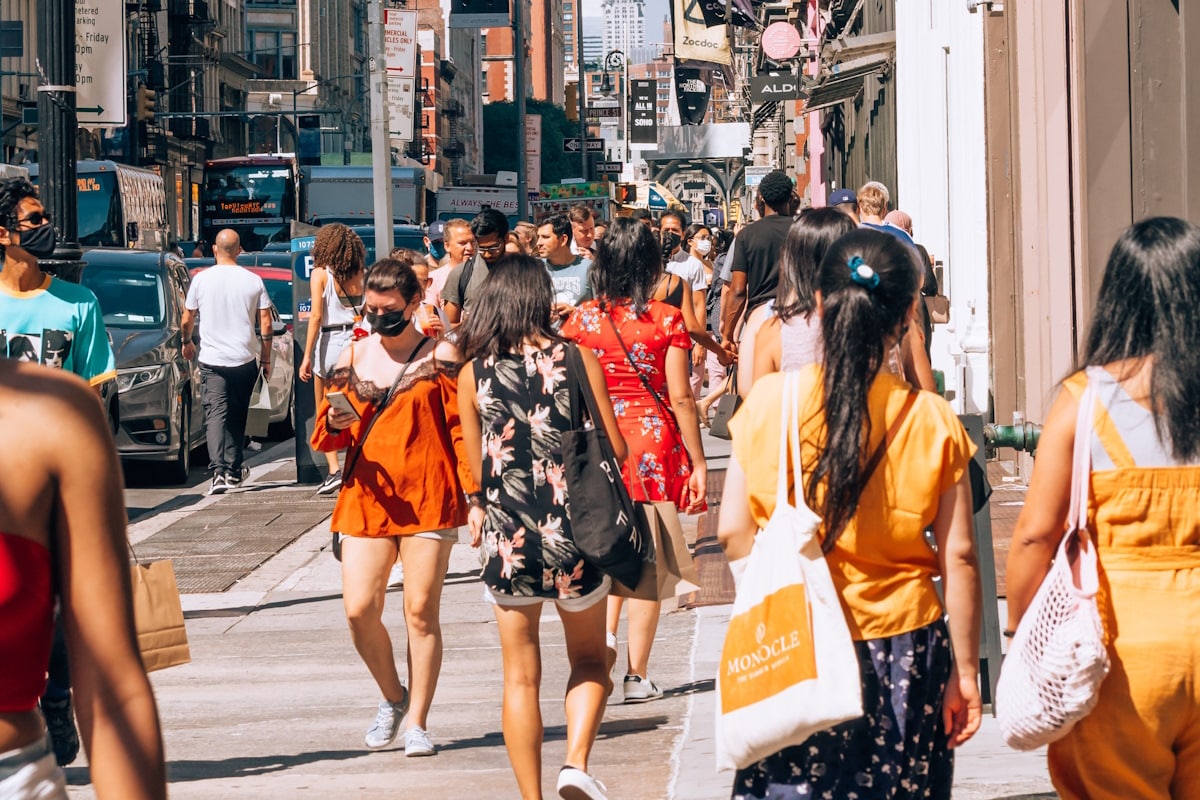
These ten brands from Japan and China have brought a unique style and embedded innovation and cultural heritage.
Asian brands have significantly shaped fashion, a universal language. These ten brands from Japan and China have brought a unique style and embedded innovation and cultural heritage into the American fashion landscape.
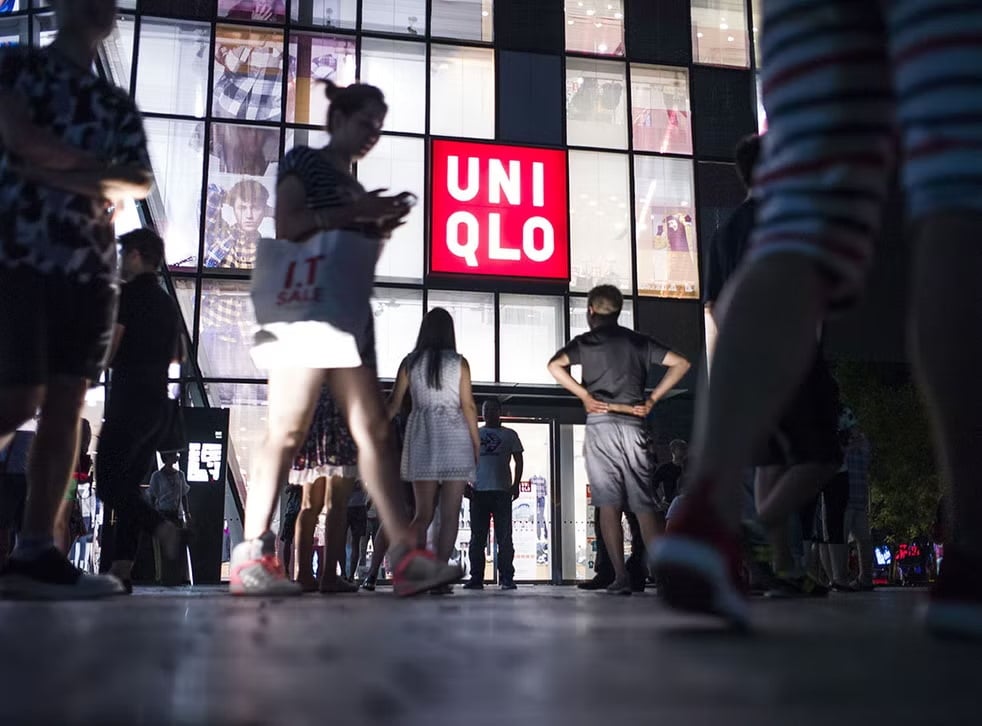
With a philosophy of simplicity meeting functionality, Uniqlo has become a household name in the US for its affordable, high-quality basics. Beyond the staple tees and denim, Uniqlo is lauded for its technological advancements in clothing, notably the Heattech line, which offers warmth without the bulk, a game-changer in colder regions.
The collaborative brainchild of sportswear giant Adidas and esteemed Japanese designer Yohji Yamamoto, Y-3 has redefined athleisure. Combining the sporty essence of Adidas with Yamamoto’s avant-garde aesthetic, Y-3 presents cutting-edge designs that effortlessly transition from the gym to the streets, capturing the attention of fashion-forward individuals.
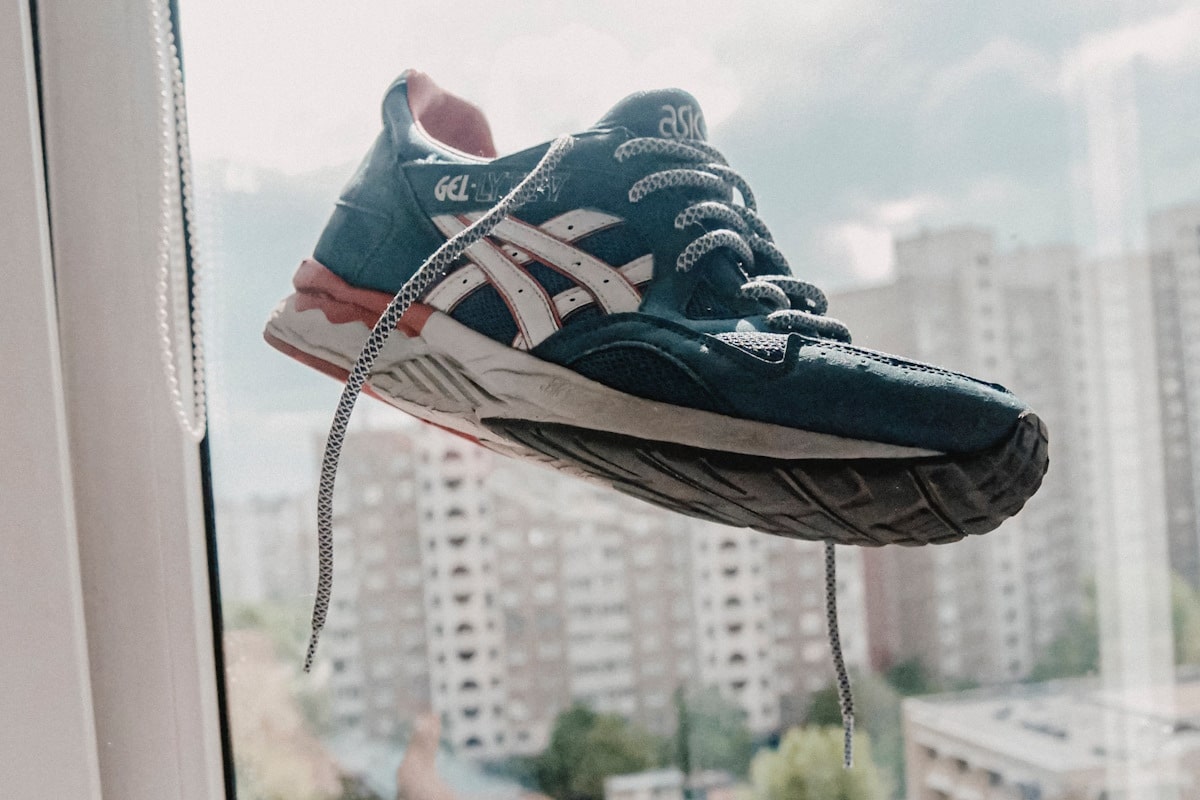
Asics stands out for its sleek and comfortable sneakers, as well as its commitment to innovation. Known for its Gel cushioning technology, Asics has secured a loyal following among athletes and casual wearers, showcasing a blend of performance and style.
As the original sportswear line by Asics, Onitsuka Tiger remains a trendsetter. Famous for its Mexico 66 model, inspired by track shoes, the brand infuses vintage aesthetics with modern street-style sensibilities, appealing to sneakerheads and fashion enthusiasts.
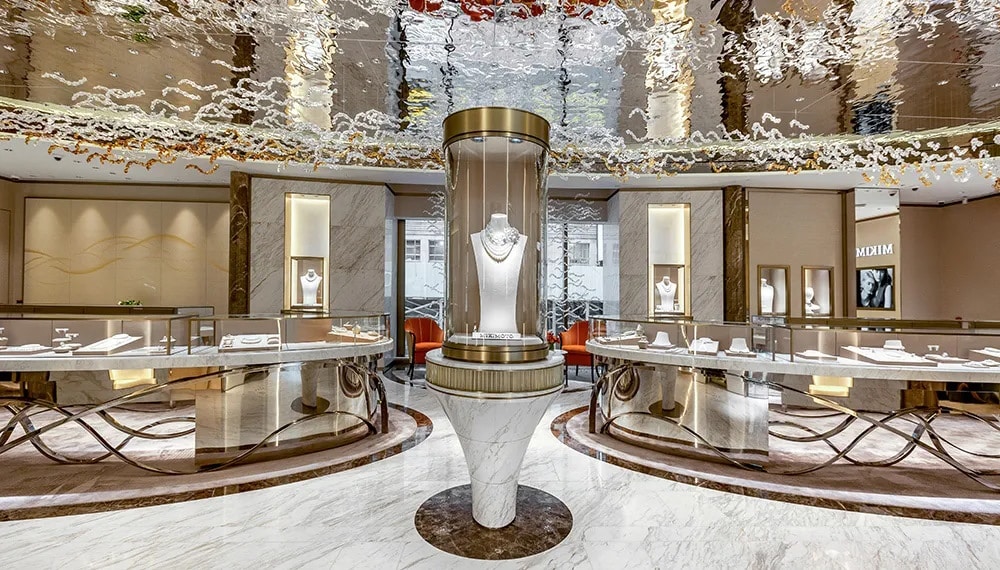
Mikimoto, the pioneer in cultured pearls, epitomizes luxury and elegance. The brand’s jewelry, often adorned with exquisite pearls, has become a symbol of sophistication and grace in the American market, adorning discerning wearers at high-profile events.
Fusing tradition with modernity, Shang Xia embodies Chinese cultural heritage. Each piece, whether a garment or an accessory, carries the essence of ancient craftsmanship, appealing to those who appreciate the narrative woven into the product’s fabric.
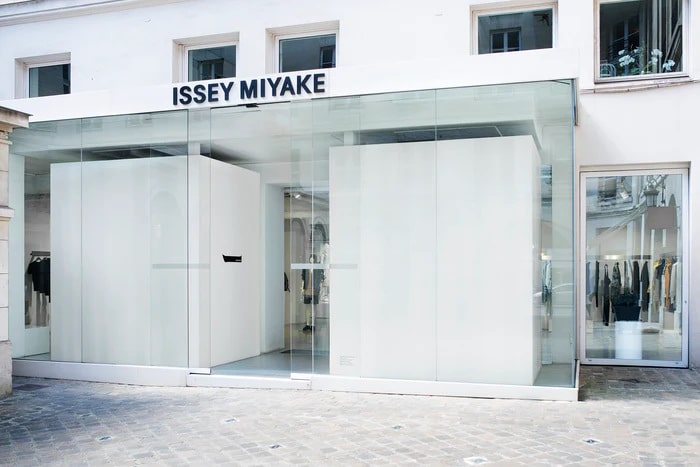
Issey Miyake stands at the forefront of avant-garde fashion. Renowned for its revolutionary pleating techniques and unconventional silhouettes, the brand embodies an artistic approach to design, where garments are not merely clothing but works of art, sparking conversations and challenging norms in the fashion industry.
Combining Japanese influences with Parisian elegance, Kenzo has made a mark with its vibrant and eclectic designs. Recognizable by its iconic tiger logo and use of bold colors and prints, Kenzo’s fusion of global cultures has carved a niche among the American youth and celebrities alike.
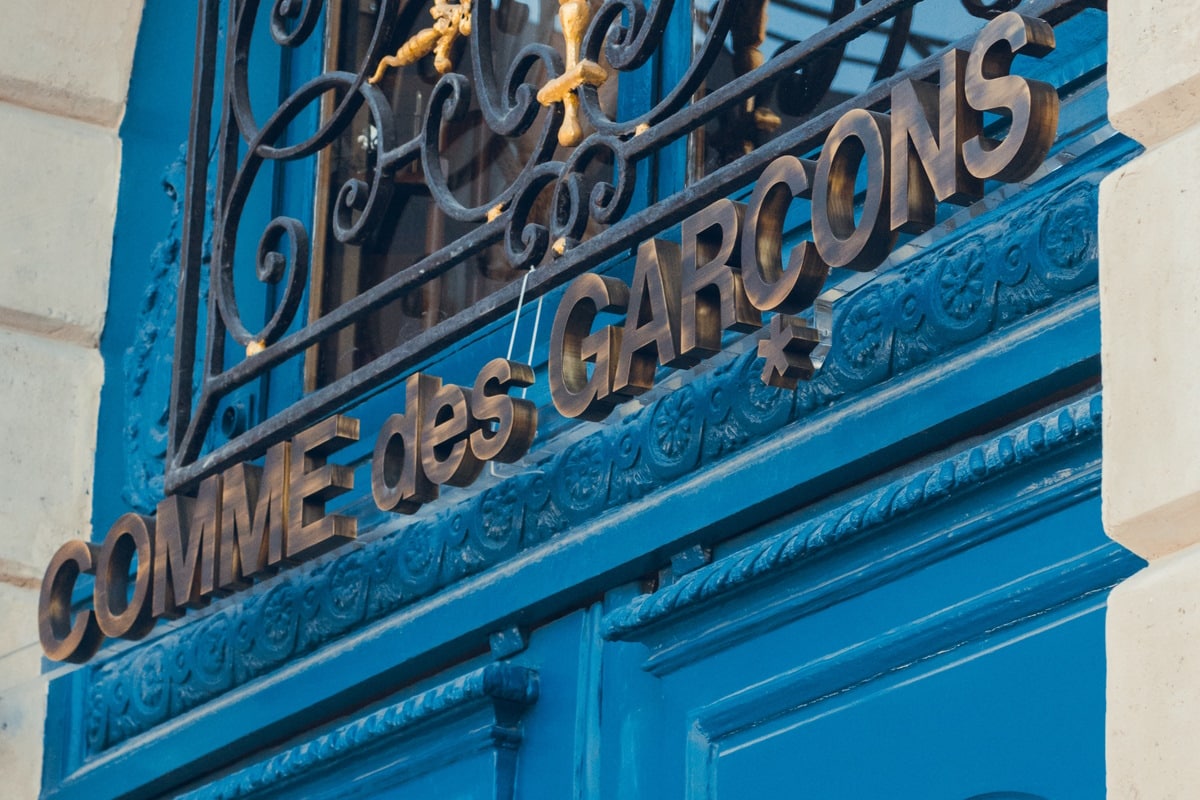
The brainchild of Rei Kawakubo, Comme des Garçons remains a symbol of avant-garde fashion experimentation. Known for pushing boundaries in design, deconstruction, and anti-fashion, the brand’s creations challenge conventional ideas of beauty and aesthetics.
Established by Japanese immigrants in the US, Hari Mari reimagines casual footwear, particularly flip-flops and sandals, by emphasizing both style and comfort. Their attention to detail in ergonomic design and use of high-quality materials has made them a popular choice among the beach-loving populace in the US.
These Asian fashion brands offer products and narrate stories of cultural richness, craftsmanship, and innovation. They have seamlessly integrated their distinct heritage into the global fashion milieu, captivating the American audience with their quality, style, and dedication to pushing the boundaries of fashion.
The vendors and deployments behind shopping advice, store navigation and retail operations, with a closer look at what it takes…
Miss A, Rowan and HEYTEA are on US mall opening lists in fall 2026. Their public records show what each…
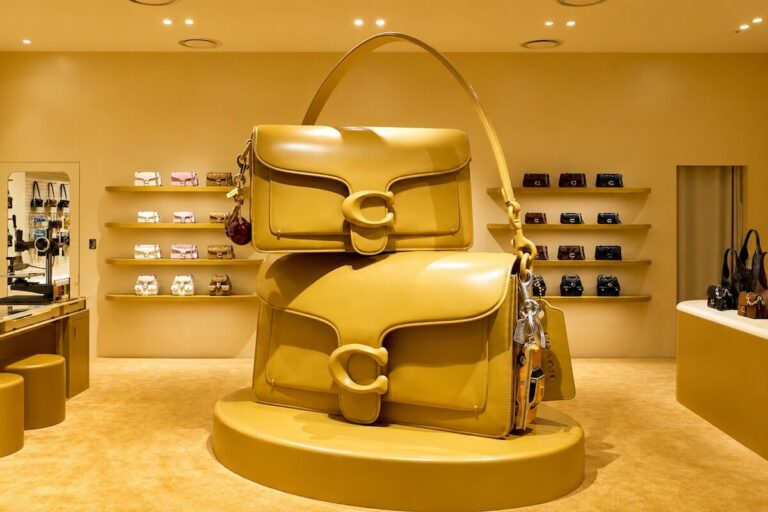
Gross margins and selected profit metrics for Coach, Pop Mart, lululemon, Miniso, Five Below, TJX and Costco, plus where each…
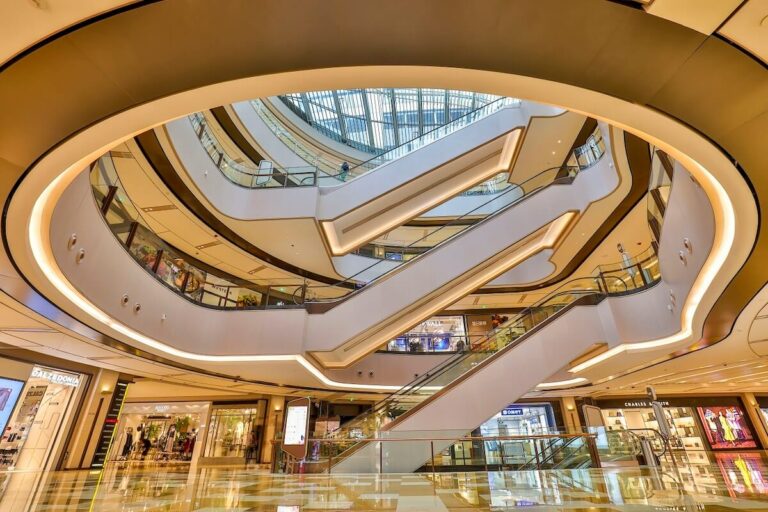
NikeSKIMS, Birkenstock and Starbucks Reserve chose HKRI Taikoo Hui for major China debuts. Why the Shanghai complex keeps winning new…
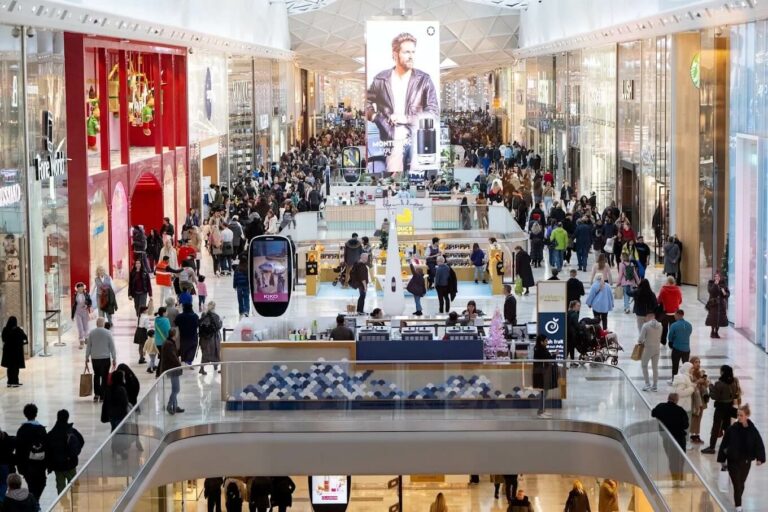
Bluewater opens its first new anchor since 1999. Next takes the former House of Fraser space with about 132,000 square…
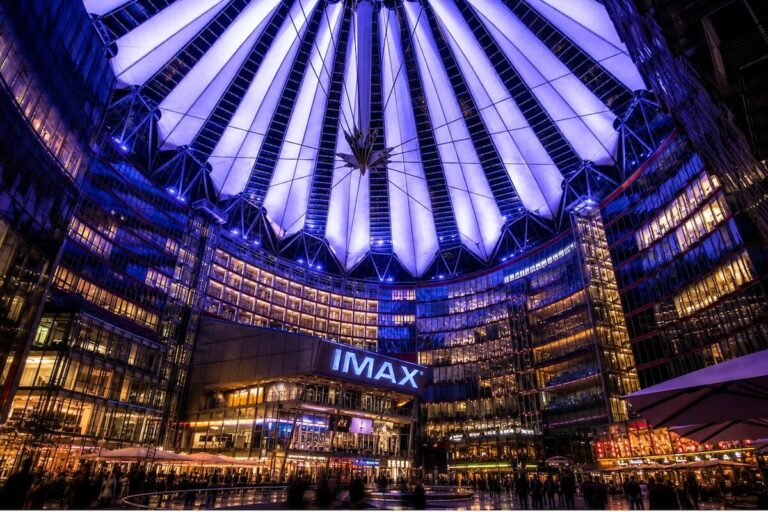
Opening in IMAX 70mm on July 17, 2026: Christopher Nolan's The Odyssey. Select shows went on sale one year in…
