
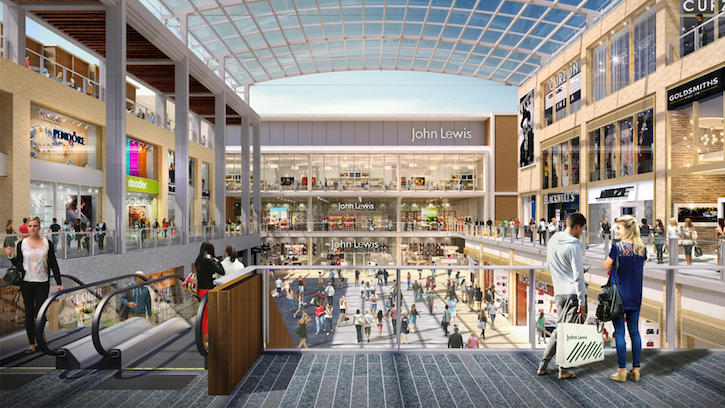
UNIQLO’s arrival at Westgate Oxford added a global Japanese retailer to one of the UK’s most significant city-centre retail redevelopments.
UNIQLO’s arrival at Westgate Oxford added a global Japanese retailer to one of the UK’s most significant city-centre retail redevelopments.
The brand was announced in 2017 for a 9,365-square-foot store carrying its men’s, women’s and children’s collections. The opening formed part of the tenant line-up assembled for the rebuilt Westgate Oxford, alongside John Lewis, Primark, Zara, New Look, Hobbs, Oliver Bonas and other national and international retailers.
Westgate Oxford reopened on October 24, 2017, following a major redevelopment of the former shopping centre. The completed destination introduced almost 800,000 square feet of retail, dining and leisure space in the centre of Oxford.
The project combined more than 100 stores with a rooftop dining terrace, public spaces, an underground car park and a five-screen Curzon cinema. It was developed by the Westgate Oxford Alliance, a joint venture between Landsec and The Crown Estate.
UNIQLO’s commitment was important because it strengthened the centre’s international fashion offer without relying only on conventional trend-led apparel brands. Its product model is built around functional everyday clothing, consistent core ranges and technical fabrics rather than rapid seasonal turnover.
That positioning gave Westgate Oxford a retailer capable of serving several customer groups within the same unit, including students, residents, office workers and visitors to the city.
For Westgate Oxford, UNIQLO contributes to a tenant mix that includes department stores, mass-market fashion, international brands, dining and leisure. The store is no longer simply a 2017 opening announcement. It is part of the centre’s established retail offer.
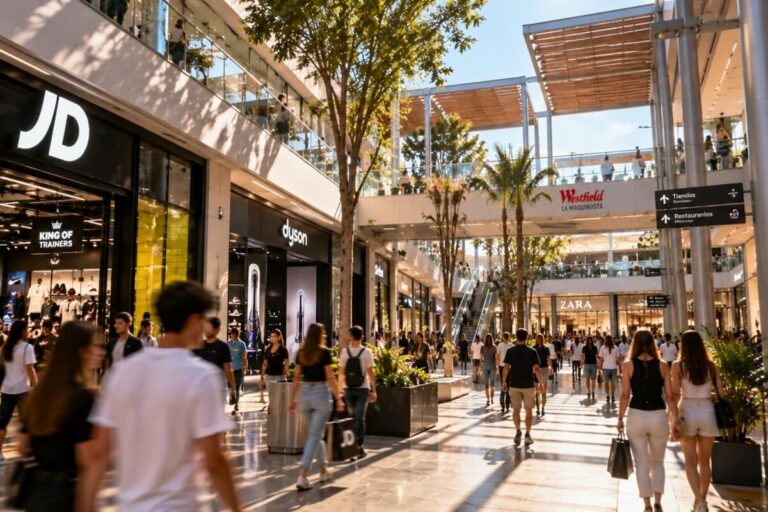
The vendors and deployments behind shopping advice, store navigation and retail operations, with a closer look at what it takes…
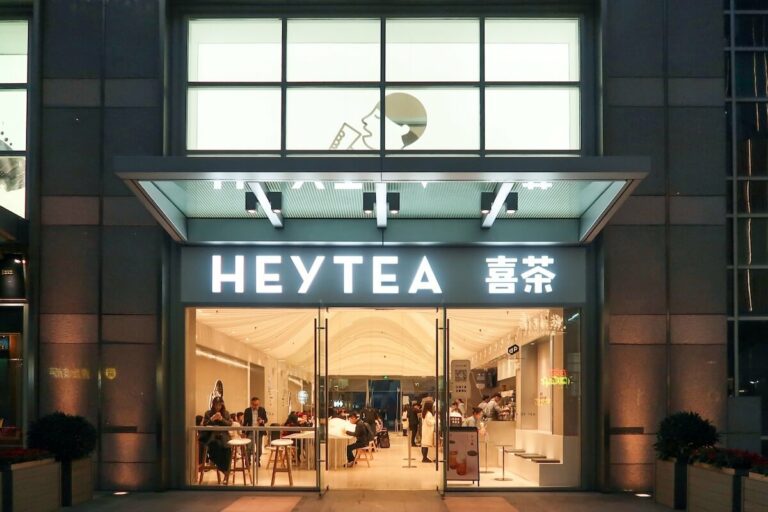
Miss A, Rowan and HEYTEA are on US mall opening lists in fall 2026. Their public records show what each…
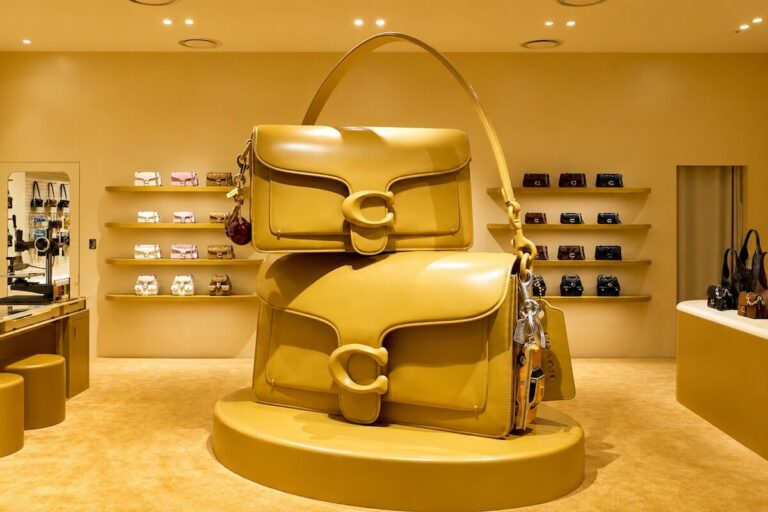
Gross margins and selected profit metrics for Coach, Pop Mart, lululemon, Miniso, Five Below, TJX and Costco, plus where each…
NikeSKIMS, Birkenstock and Starbucks Reserve chose HKRI Taikoo Hui for major China debuts. Why the Shanghai complex keeps winning new…
Bluewater opens its first new anchor since 1999. Next takes the former House of Fraser space with about 132,000 square…
Opening in IMAX 70mm on July 17, 2026: Christopher Nolan's The Odyssey. Select shows went on sale one year in…
