
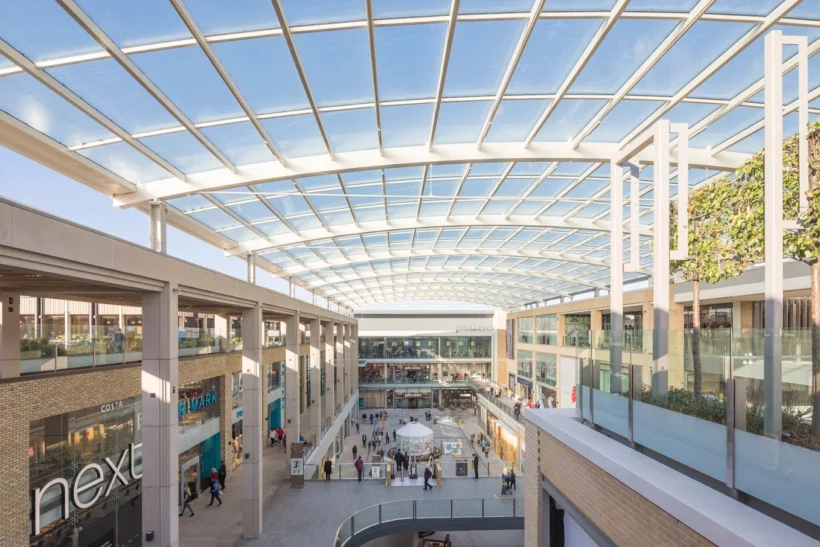
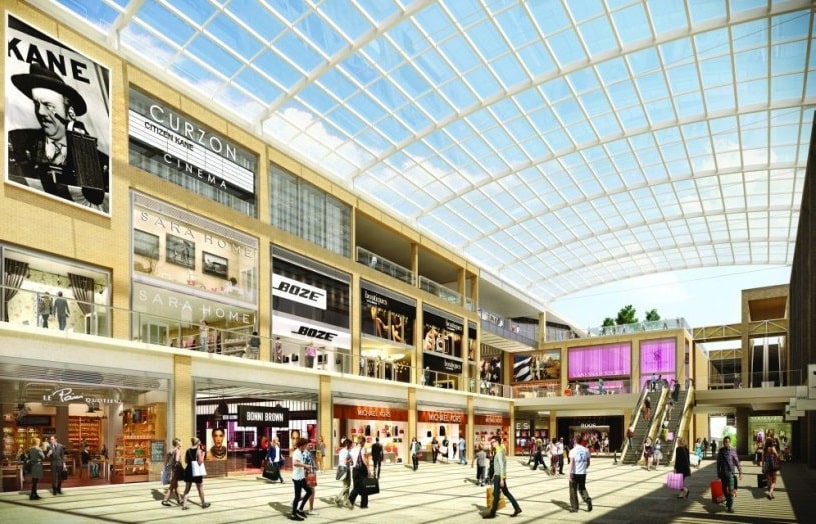
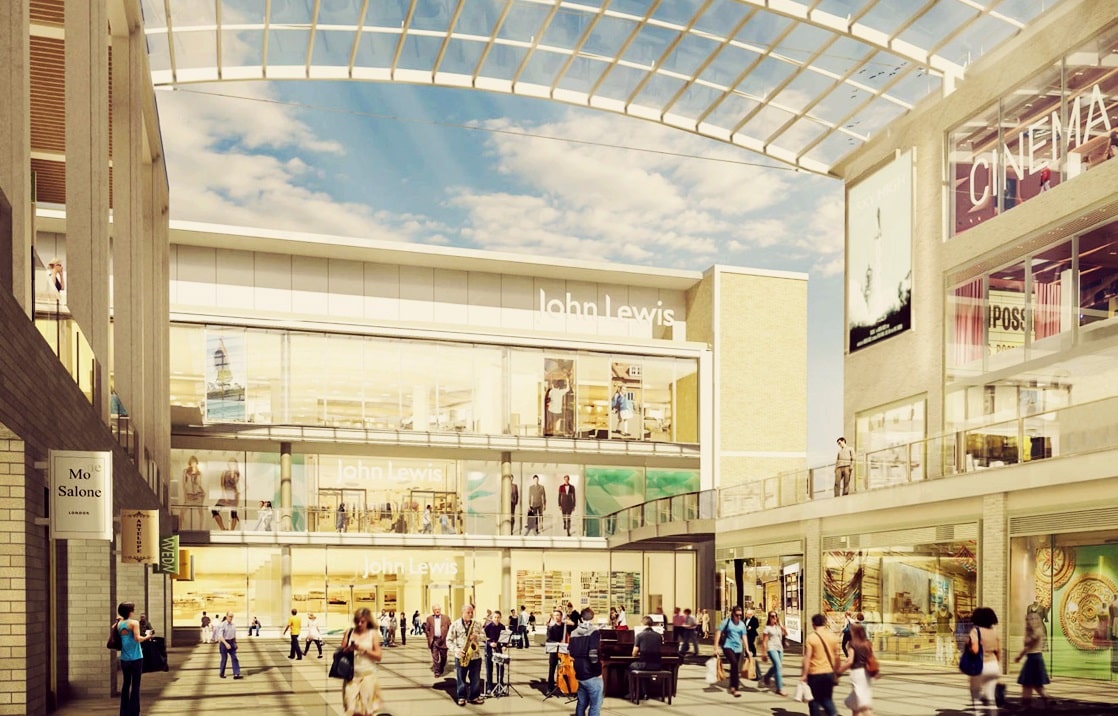
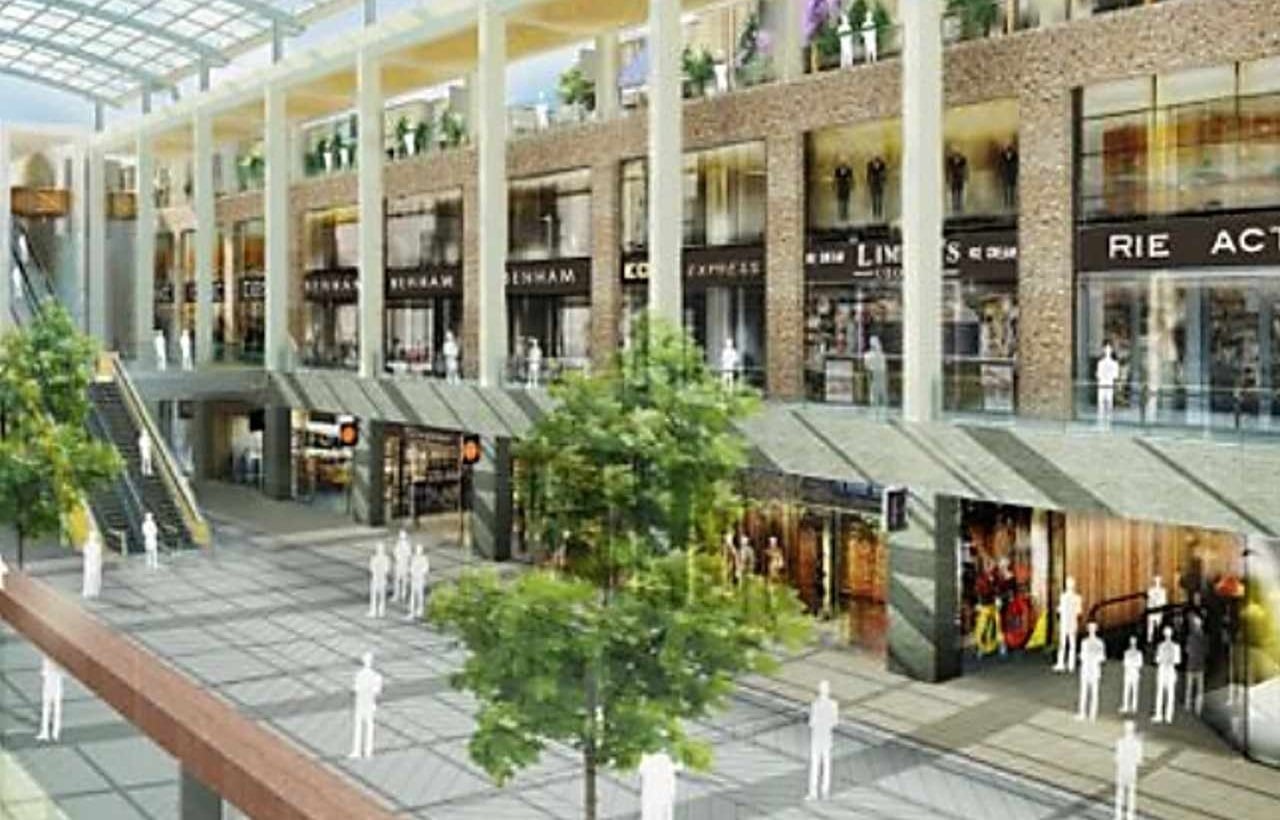
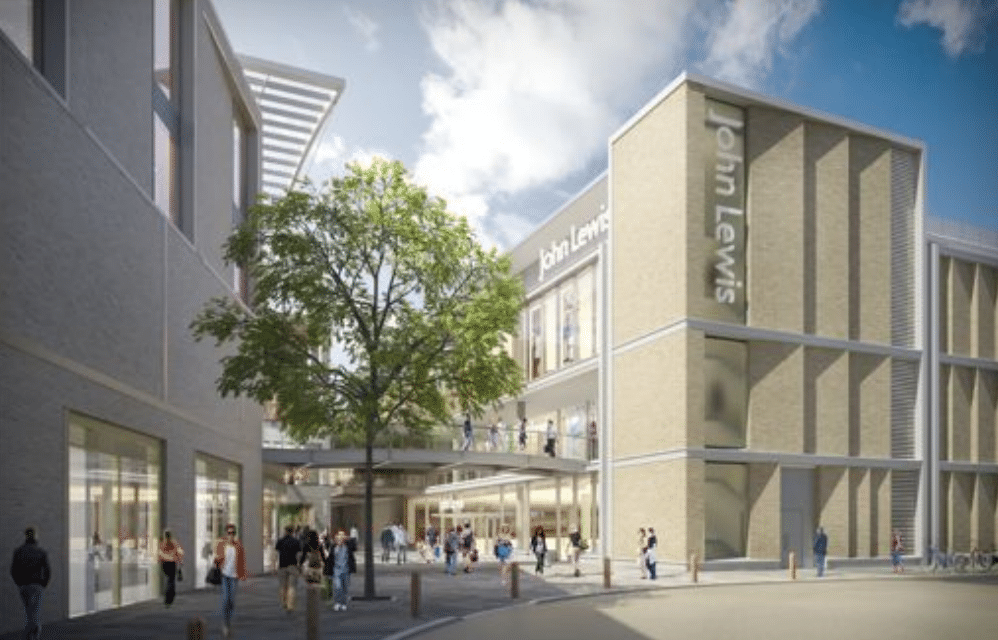
Westgate Oxford opened in October 2017 at Westgate Street and Queen Street in Oxford city centre, with approximately 74,000 sqm of gross leasable area across a development by the Westgate Oxford Alliance (Landsec and CBRE Global Investors), replacing the original 1972 Westgate Centre with Oxford’s first super-regional modern retail development in a UNESCO World Heritage city context. The project required an eight-year planning process to satisfy heritage and urban design requirements in one of the UK’s most historically sensitive city centres.
Oxford’s commercial position combines the retail demands of a city of approximately 155,000 residents with those of approximately 45,000 university students and academics and approximately 7 million annual visitors drawn by the University of Oxford’s 38 colleges and the associated cultural and architectural heritage. John Lewis anchors the premium retail positioning in the most significant department store investment in Oxfordshire in decades. The rooftop terrace restaurants and bars overlook the Oxford skyline, a dining context unique among UK city-centre retail developments. H&M, Primark, Zara, and the Inditex cluster serve the mass-market retail demand. Marks & Spencer anchors daily-use retail. The development’s design incorporates visual references to Oxford’s architectural heritage in the use of Oxfordshire limestone cladding and the continuation of the medieval street pattern through the site.
Oxford’s population of approximately 155,000 plus the university and visitor overlay creates a retail spending base substantially above what the resident population alone would generate. London Paddington is connected to Oxford by GWR and Chiltern Railways in approximately one hour. The M40 Junction 8/9 provides motorway access from London and the Midlands.
The Westgate Oxford Alliance manages the development as the only major modern enclosed retail scheme in a World Heritage city in the UK. The eight-year planning process and the heritage-sensitive design standards it required created a commercial barrier to entry that now functions as a durable competitive advantage: no equivalent development could navigate the Oxford planning environment in a shorter timeframe or with lower heritage design costs.
Verified signals on brand expansion, store openings, and mall development. Free.
Free · No credit card · Unsubscribe any time



