

Cyber-sports arenas, basketball courts, and aquariums are replacing storefronts and retail spaces.
Large U.S. malls are attracting new entertainment formats to fill the empty retail space during the crisis and attract a new audience amid the outflow of customers to the online channels.
The Mall of America, for example, is preparing to open a new cybersports broadcast studio. In partnership with Wisdom Gaming, the giant space will open in early 2022 and will be designed to exclude gaming events. The mall also includes a large theme park and aquarium.
The Mall of America’s multi-level cybersports venue will include a gaming lounge with food and beverages, space for live studio audiences, and a retail store selling related merchandise.
It was previously reported that Simon Property Group, the largest owner of shopping centers, is investing $5 million to create Allied Esports entertainment services. The first site opened on the Mall of Georgia last year. According to expert estimates, attendance at U.S. malls in August 2021 is 2.5% lower than before the crisis, and in September – already at 6.5%. At the same time, in March the decline was up to 21%.
According to PYMNTS research, since the pandemic began, the number of shoppers at traditional malls and physical stores has dropped 10%, while the number of online and marketplaces has increased 17%.
Many malls across the country are looking to turn empty spaces into sports and entertainment venues. Specifically, Citadel Mall in Charleston, N.C., has opened a basketball court. Louis Outlet Mall in Hazelwood, Missouri, has announced plans to convert some of the space into a youth sports complex.
Mall operators have also begun using vacant space to create local distribution centers. For example, logistics service provider Fillogic is offering major malls the ability to convert underutilized space into online order pickup offices.
“There is the real reason to be optimistic that top-tier malls are entering a period of unique strength. While many malls will have to reposition or reinvent themselves, many of the top players are taking the steps necessary to achieve short- and long-term success,” commented Ethan Chernofsky, vice president of marketing for Placer.ai.

European retail is scaling AI, agentic commerce and retail media, but consumer trust is becoming the constraint. Four structural shifts…
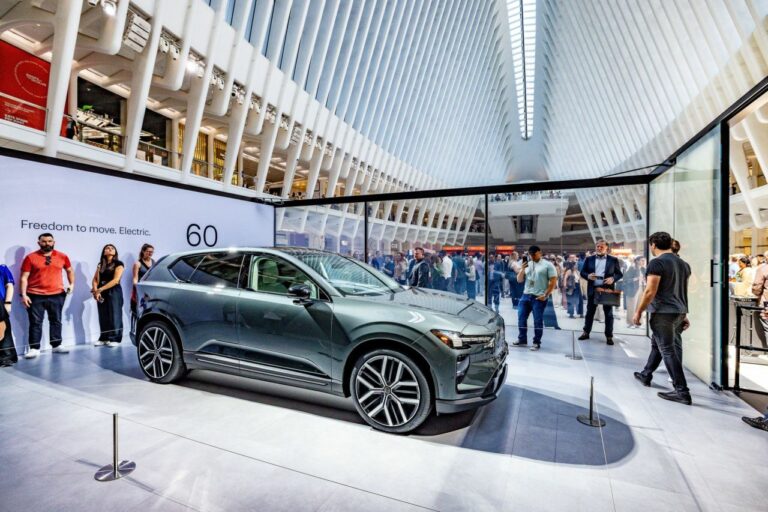
Mall operators are no longer leasing space for pop-ups. They are selling audience access.
Physical stores still drive most retail sales, fulfill online orders, support AI shopping, and help brands return to market.
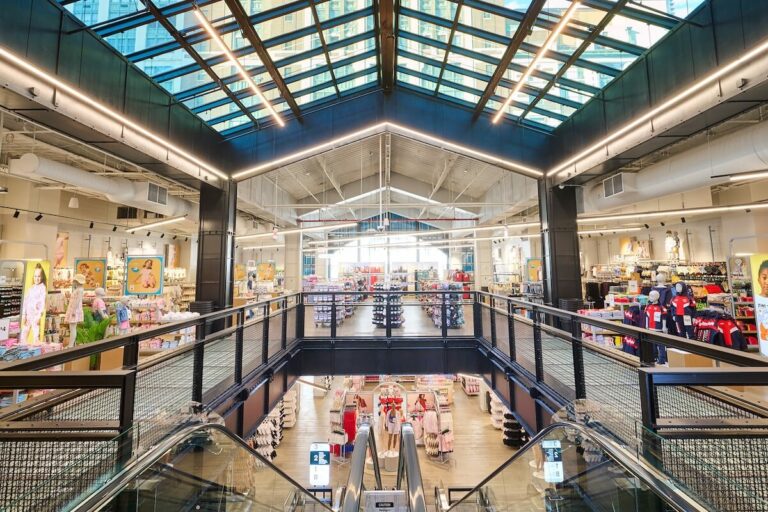
A practical guide to nine mall tenant formats in 2026, from flagships and pop-ups to anchor redevelopment and mixed-use retail.
1,051 of 1,173 US malls hold zero ultra-luxury brands. Half of all Cartier, Chanel, Hermès, and Louis Vuitton mall stores…
Every physical expansion decision starts with the same question: where does the store go?
Verified signals on brand expansion, store openings, and mall development. Free.
Free · No credit card · Unsubscribe any time
