MAPIC 2018 brought retailers, property owners, developers, investors and service providers to Cannes at a point when the retail real estate industry was reassessing the role of physical space. The event took place at the Palais des Festivals from November 14 to 16, 2018. Its exhibition, conference and networking programme focused on international expansion, mixed-use […]
MAPIC 2018 brought retailers, property owners, developers, investors and service providers to Cannes at a point when the retail real estate industry was reassessing the role of physical space.
The event took place at the Palais des Festivals from November 14 to 16, 2018. Its exhibition, conference and networking programme focused on international expansion, mixed-use development, customer experience, leisure and the integration of digital services into physical retail.
MAPIC has traditionally combined an exhibition floor with conferences, pitching sessions, business meetings and its annual awards programme.
The organiser expected more than 8,400 participants from 78 countries for the 2018 edition. The projected audience included over 2,100 retailers, 2,500 property developers and approximately 1,000 investors.
These numbers reflected MAPIC’s position as a meeting point for companies making location and investment decisions. Retailers used the event to identify new markets and potential sites. Developers and landlords presented shopping centres, urban regeneration projects and mixed-use destinations to prospective tenants and capital partners.
The programme included more than 100 conference and pitching sessions led by over 200 speakers. The format allowed established companies and emerging concepts to present expansion plans, operating models and technology solutions alongside the main property exhibition.
The 2018 programme arrived during a shift in how shopping centres and urban retail projects were being planned.
Retail space was no longer evaluated only through the number of stores or the size of the development. Operators were placing greater emphasis on food and beverage, leisure, culture, services and public space as contributors to dwell time and repeat visits.
Digital technology was also becoming part of mall operations rather than a separate online channel. Customer analytics, loyalty platforms, omnichannel services and new payment systems were increasingly assessed according to their ability to support tenant productivity and improve the visitor journey.
MAPIC 2018 captured this transition. The projects and concepts presented in Cannes showed an industry moving toward destinations with a wider mix of uses and more reasons to visit beyond a conventional shopping trip.
Retailer expansion was one of the event’s core commercial functions.
Brands attended MAPIC to meet landlords and developers across multiple markets within a single programme. Property owners, in turn, used retailer participation as an opportunity to strengthen leasing pipelines and identify concepts capable of differentiating their tenant mix.
The model was particularly relevant for brands entering unfamiliar countries. Expansion decisions require more than available space. They depend on local customer demand, suitable adjacencies, store economics, operating partners and confidence in the long-term positioning of the destination.
MAPIC provided a venue where those factors could be discussed directly between retailers, developers, investors and advisers.
The MAPIC Awards highlighted retail concepts and property projects that represented the industry’s changing priorities.
UNIQLO received the award for best retail global expansion, while Groupe Galeries Lafayette was named retailer of the year. Marc O’Polo Strandcasino won best new retail concept, and Franprix Darwin in Paris received the award for retail store design.
Among property projects, Suzhou Center Mall was named best new shopping centre. Westfield Century City in Los Angeles won best redeveloped shopping centre, while American Dream in New Jersey received the award for a future shopping centre. Transaction Connect was recognised for shopping centre innovation.
The range of winners showed that growth was no longer defined by a single format. Global brand expansion, urban regeneration, technology, leisure and the reinvention of existing assets were all becoming part of the same retail property agenda.
MAPIC 2018 documented a market in which stores remained central, but could no longer operate as isolated units.
Successful retail destinations increasingly depended on the relationship between tenant mix, leisure, hospitality, technology and the surrounding urban environment. The event’s projects and award winners offered an early view of the operating model that would shape many shopping centre and mixed-use strategies in the following years.
Originally published November 30, 2016. Updated June 21, 2026.
NikeSKIMS, Birkenstock and Starbucks Reserve chose HKRI Taikoo Hui for major China debuts. Why the Shanghai complex keeps winning new…
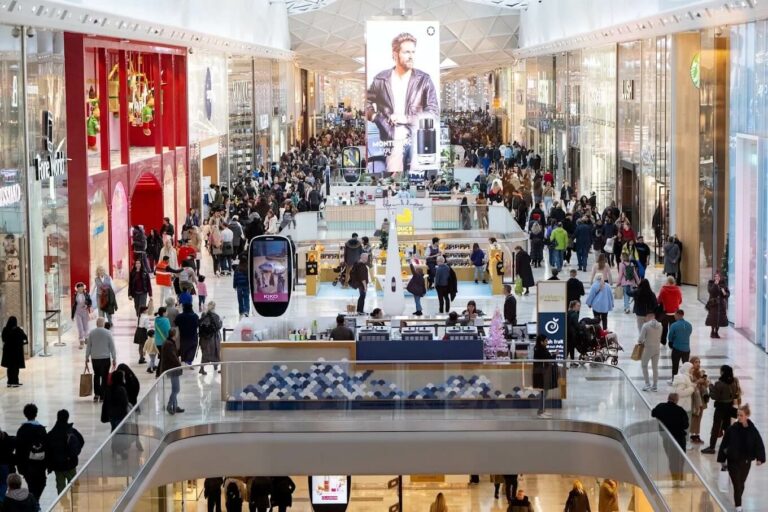
Bluewater opens its first new anchor since 1999. Next takes the former House of Fraser space with about 132,000 square…
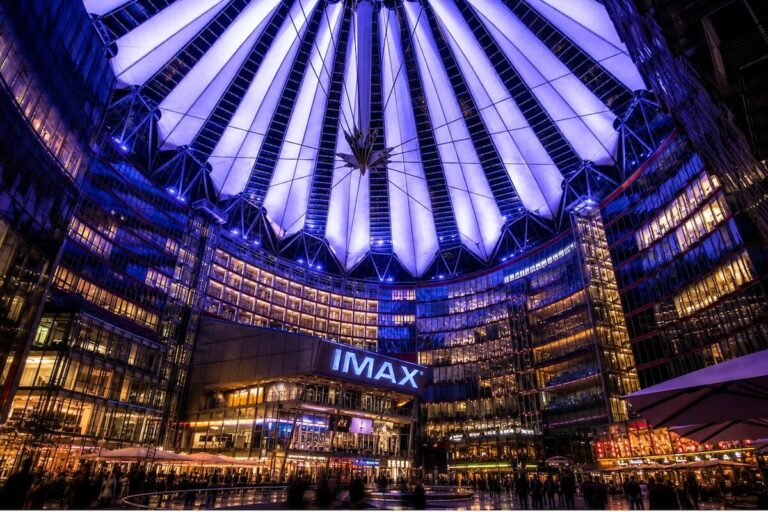
Opening in IMAX 70mm on July 17, 2026: Christopher Nolan's The Odyssey. Select shows went on sale one year in…

European retail is scaling AI, agentic commerce and retail media, but consumer trust is becoming the constraint. Four structural shifts…
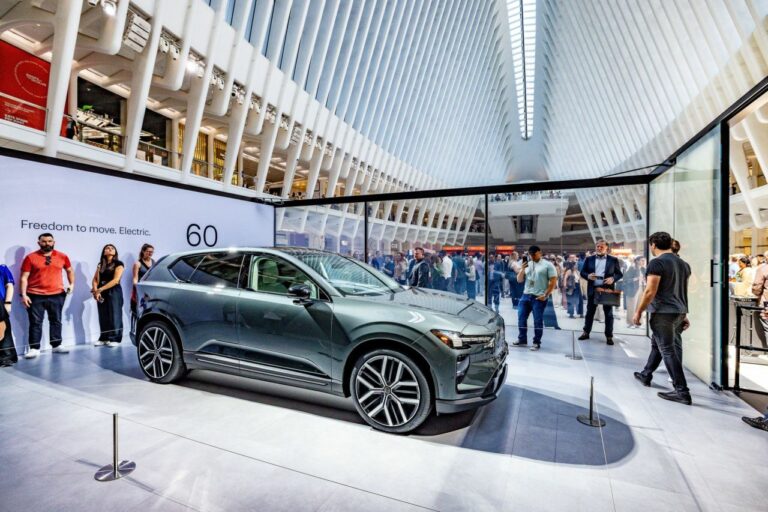
Mall operators are no longer leasing space for pop-ups. They are selling audience access.
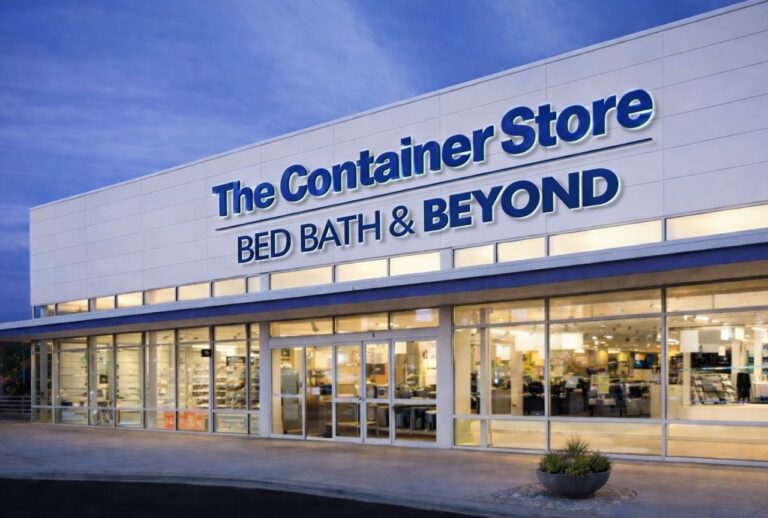
Physical stores still drive most retail sales, fulfill online orders, support AI shopping, and help brands return to market.