Internet Retailing Expo is aimed at the progressive retail business industry.
IRX 2015 brought together retailers, marketplaces, technology providers and e-commerce teams at a point when digital commerce was becoming part of the core retail operating model.,,,
The fifth edition of the Internet Retailing Expo focused on practical questions facing retailers across online sales, mobile commerce, customer acquisition, fulfilment and the connection between digital channels and physical stores.
The speaker programme included representatives from Jack Wills, eBay, Monsoon Accessorize, Tesco, Selfridges, Alibaba.com, Boohoo.com and Lego. This mix placed established retailers, digital-first businesses and global marketplaces within the same industry conversation.
By 2015, e-commerce was no longer limited to launching a website and processing online orders.
Retailers were working through a broader set of operational challenges. These included managing inventory across channels, improving product discovery, reducing checkout friction, organising delivery and returns, and using customer data without creating disconnected systems.
The distinction between online and offline retail was also becoming less useful. Customers could research a product on a mobile device, visit a store, order online and return the purchase through another channel. Retailers needed systems capable of supporting that journey as one relationship rather than several separate transactions.
IRX provided a forum for retailers to compare how these changes affected technology investment, internal teams and customer expectations.
The 2015 speaker line-up represented different approaches to retail growth.
Tesco and Selfridges brought the perspective of large established retailers managing stores, logistics and substantial customer bases. Jack Wills and Monsoon Accessorize represented fashion businesses adapting brand-led retail models to digital channels.
Boohoo.com demonstrated the operating logic of a digital-first fashion retailer, where merchandising, marketing and fulfilment were designed around online demand from the beginning.
eBay, Alibaba.com and other platforms represented another structural change. Marketplaces were giving retailers access to customers beyond their domestic store networks, but they also introduced new questions around pricing, brand control, product data and fulfilment.
Lego added the perspective of a global consumer brand that needed to connect products, content and customer communities across markets.
The value of the programme came from placing these models next to one another. Retailers could compare the priorities of store-based businesses, online specialists and platforms rather than treating e-commerce as a single operating formula.
IRX 2015 was designed around practical implementation rather than broad predictions about the future of shopping.
Retailers attended to identify suppliers, evaluate systems and understand how other companies were approaching similar problems. Technology decisions increasingly affected conversion rates, delivery performance, customer service and the economics of acquiring repeat customers.
A tool could improve one stage of the customer journey while adding complexity elsewhere. Faster checkout had limited value if stock information was inaccurate. International demand created limited growth if delivery costs and returns were not controlled. Customer data generated limited insight if marketing, commerce and store systems could not share it.
The strongest retail technology strategies therefore depended on integration and operational ownership, not only product features.
IRX 2015 captured a transition from e-commerce as a specialist function to digital commerce as a company-wide capability.
Many of the questions discussed at the event remain central to retail management: how to connect inventory, stores and online demand; how to measure customer acquisition; how to manage delivery expectations; and how to expand through marketplaces without weakening the brand.
The terminology and technology platforms have changed, but the underlying requirement has remained consistent. Digital investment must improve the commercial performance of the retail business rather than operate as a separate innovation programme.
The IRX brand later expanded beyond a single exhibition format. In 2026, the organiser positioned it as a year-round commerce platform spanning B2B e-commerce, delivery and digital learning.
European retail is scaling AI, agentic commerce and retail media, but consumer trust is becoming the constraint. Four structural shifts…
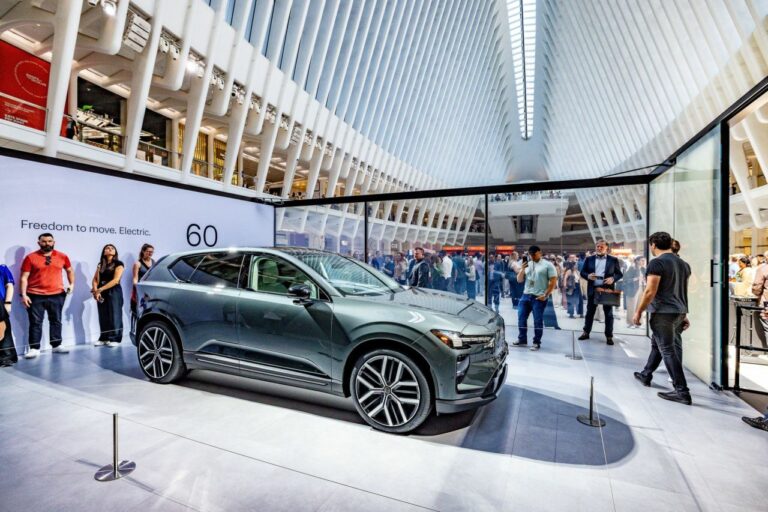
Mall operators are no longer leasing space for pop-ups. They are selling audience access.
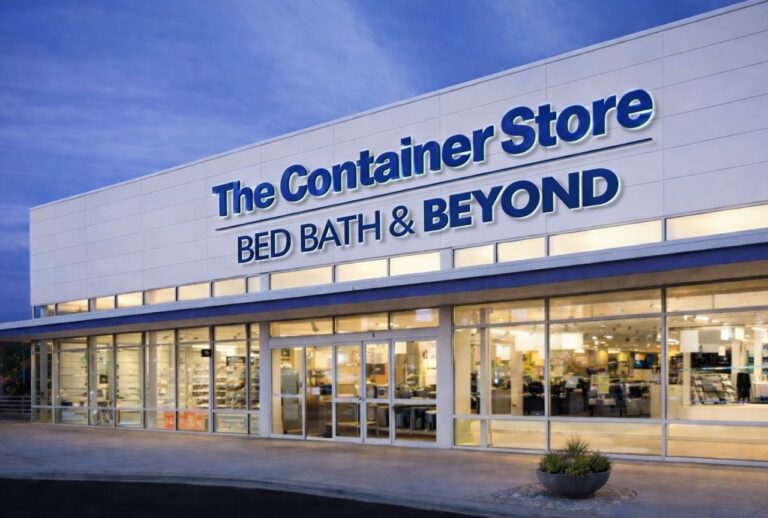
Physical stores still drive most retail sales, fulfill online orders, support AI shopping, and help brands return to market.
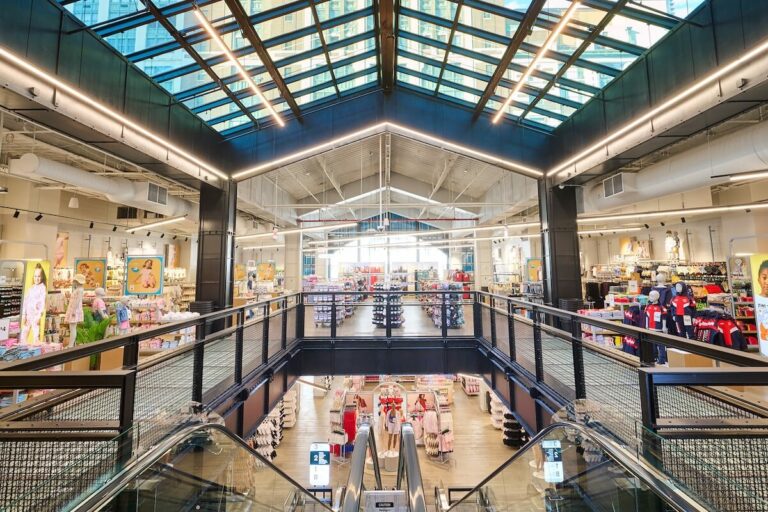
A practical guide to nine mall tenant formats in 2026, from flagships and pop-ups to anchor redevelopment and mixed-use retail.
1,051 of 1,173 US malls hold zero ultra-luxury brands. Half of all Cartier, Chanel, Hermès, and Louis Vuitton mall stores…

Every physical expansion decision starts with the same question: where does the store go?
Verified signals on brand expansion, store openings, and mall development. Free.
Free · No credit card · Unsubscribe any time