

The ‘Pre-Owned’ platform will help extend garment lifecycles and reduce waste.
Zara, the fast-fashion giant, plans to introduce its secondhand clothing service in the United States by the end of October. The service, which allows customers to sell, repair, or donate their used clothes, is part of Inditex’s broader effort to extend the life cycle of its products and reduce waste, the company announced on Wednesday. Zara’s ‘Pre-Owned’ platform is already operational in 16 European countries, following its initial launch in the UK in November 2022. Inditex, Zara’s parent company, previously committed to rolling out the platform in all strategic markets by 2025, aligning with its strategy to reduce raw material consumption. The service is accessible through Zara stores, its website, and a dedicated app in markets such as Spain, France, and Germany. Expanding reach and live shopping initiatives While Zara has yet to disclose specific customer engagement figures for the secondhand service, Inditex CEO Oscar Garcia Maceiras highlighted the platform’s robust online presence, noting that it receives over 22 million visitors per day. Zara is not alone in the resale market. Competitors like H&M have also ventured into secondhand sales, with H&M’s items available for resale in the US through a partnership with ThredUp, a dedicated secondhand marketplace. live shopping shows in the US In addition to expanding its ‘Pre-Owned’ service, Zara is set to launch live shopping shows in the US and other key markets, including Spain, Canada, France, Italy, Germany, the UK, Ireland, and the Netherlands, in the coming months. This move follows the success of Zara’s five-hour-long live shopping shows in China, broadcast weekly on Douyin (TikTok’s Chinese counterpart), which retail analytics firm EDITED credits with boosting sales since their inception in November.
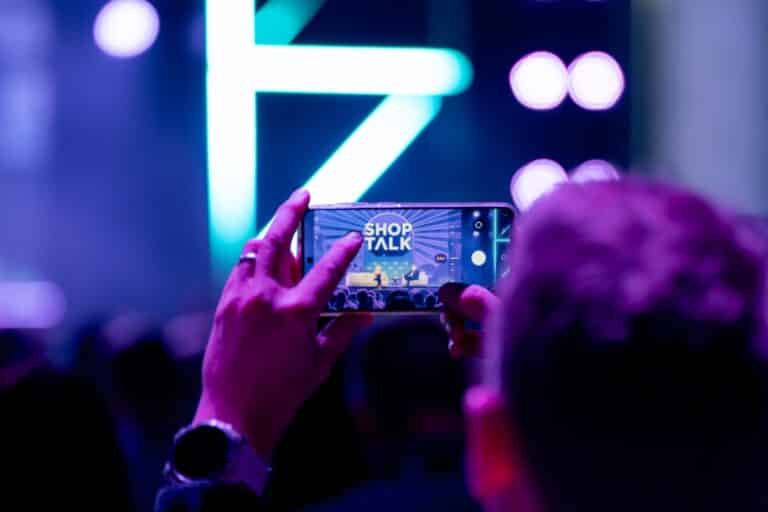
European retail is scaling AI, agentic commerce and retail media, but consumer trust is becoming the constraint. Four structural shifts…
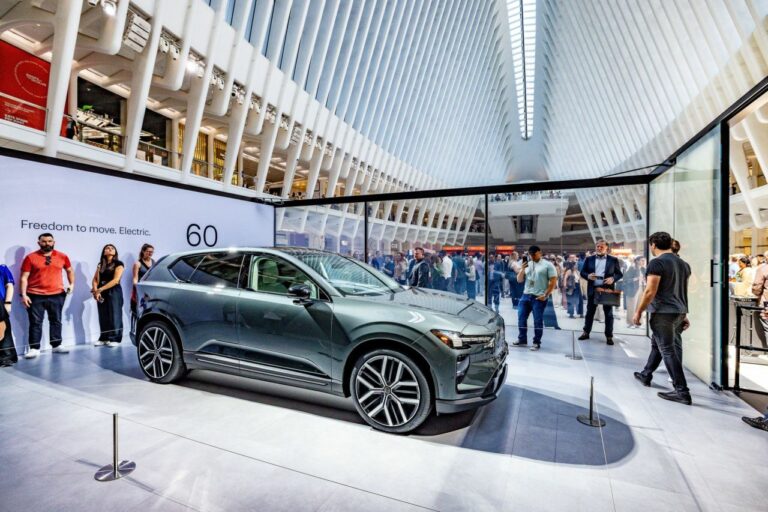
Mall operators are no longer leasing space for pop-ups. They are selling audience access.
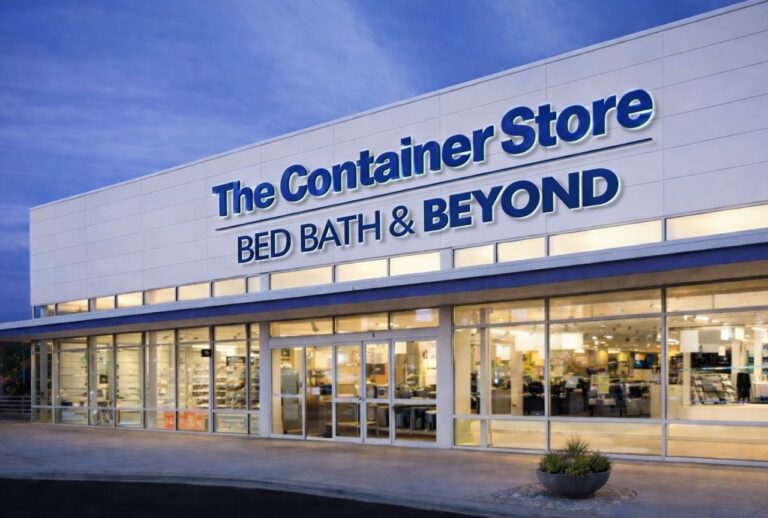
Physical stores still drive most retail sales, fulfill online orders, support AI shopping, and help brands return to market.
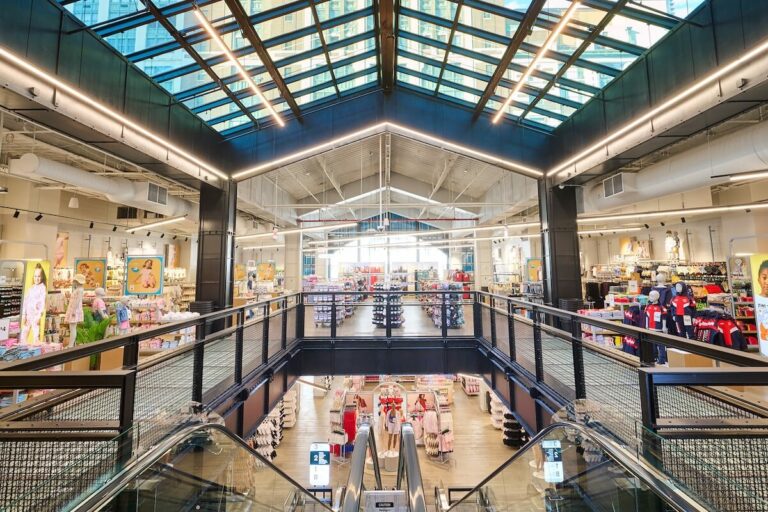
A practical guide to nine mall tenant formats in 2026, from flagships and pop-ups to anchor redevelopment and mixed-use retail.
1,051 of 1,173 US malls hold zero ultra-luxury brands. Half of all Cartier, Chanel, Hermès, and Louis Vuitton mall stores…

Every physical expansion decision starts with the same question: where does the store go?
Verified signals on brand expansion, store openings, and mall development. Free.
Free · No credit card · Unsubscribe any time
Billed annually · View full comparison · Payment via invoice or PayPal
