
Consulting company Kantar has published an annual rating of the 50 largest retailers in the world market.
For the 23rd time in a row, the list was headed by the American giant Walmart, who simultaneously took the first place in 7 out of 9 key indicators. In the rating of brands for the fourth year in a row, the first line is held by PepsiCo, as well as last year’s leading in all nine studied parameters.
Retailers included in the Kantar U.S. PoweRating rating are rated by their trading partners, while brands, on the contrary, receive points from retail chains. The ranking in the final list is based on a variety of factors, from business fundamentals to strategic indicators.
The authors note that Walmart remains at the top of the list due to its clear strategy, well-organized supply chain, as well as the use of digital resources and confidence in future results. Kroger Co. ranks second among global retailers for the fourth consecutive year. Amazon and Costco are also among the top 5 best retailers in the worldwide market.
Walmart’s position at the top of the rating once again demonstrates its ability to continually innovate and keep abreast of the latest trends in retailing,” said Kantar representative Patrick Fellin. – Walmart is accepting the changes and is effectively coping with the long-term climate change in the retail trade.
In the brand ranking, PepsiCo’s leadership continues by stimulating revenue and profit growth through the effective use of innovative solutions. Coca-Cola remains the second in this ranking for the third year in a row and is praised by experts for its rapid decision making and for building strong partnerships. P&G, as well as last year, is among the top three leaders. The most considerable growth in the year showed General Mills and Nestlé, which improved their position in the global ranking by six and two spots, respectively.
According to Fellin, today’s market leaders are taking advantage of the changing market conditions, shifting towards the buyer, and are building better, deeper relationships with their customers.

European retail is scaling AI, agentic commerce and retail media, but consumer trust is becoming the constraint. Four structural shifts…
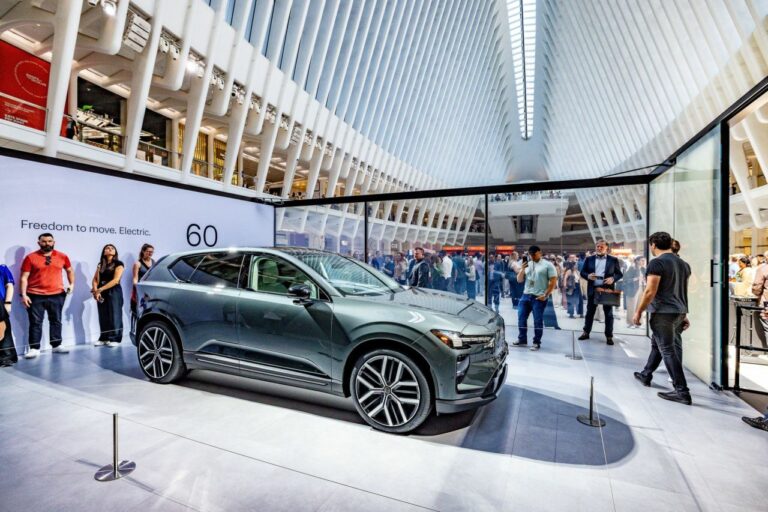
Mall operators are no longer leasing space for pop-ups. They are selling audience access.
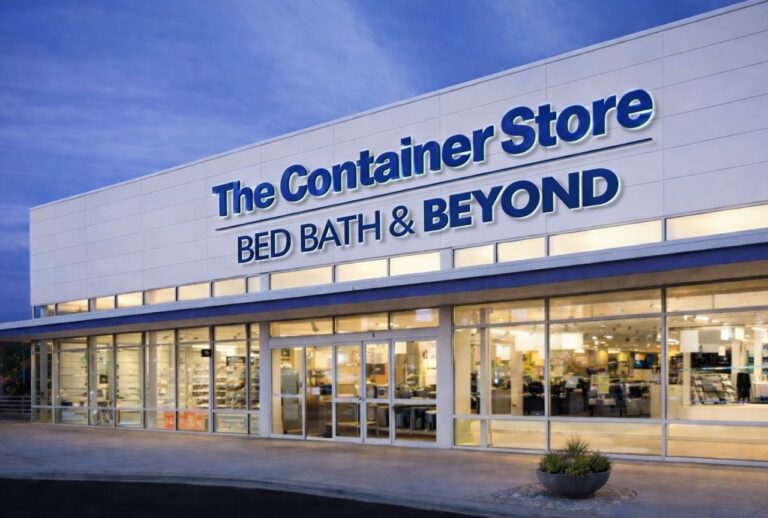
Physical stores still drive most retail sales, fulfill online orders, support AI shopping, and help brands return to market.
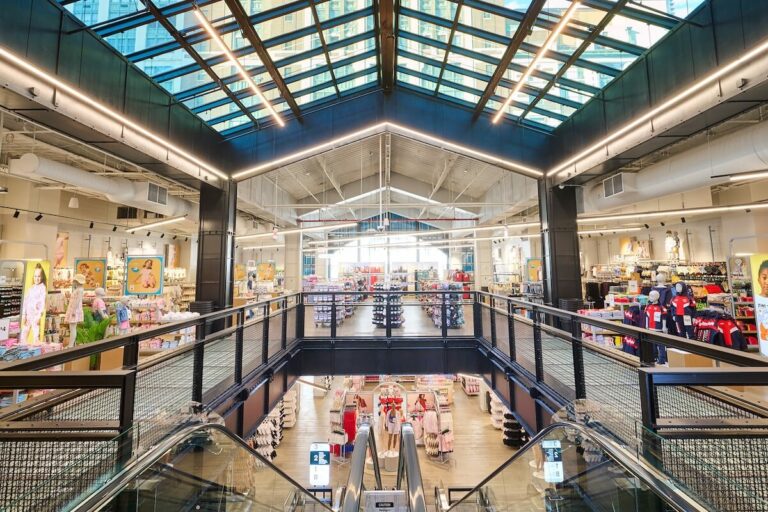
A practical guide to nine mall tenant formats in 2026, from flagships and pop-ups to anchor redevelopment and mixed-use retail.
1,051 of 1,173 US malls hold zero ultra-luxury brands. Half of all Cartier, Chanel, Hermès, and Louis Vuitton mall stores…
Every physical expansion decision starts with the same question: where does the store go?
Verified signals on brand expansion, store openings, and mall development. Free.
Free · No credit card · Unsubscribe any time
