
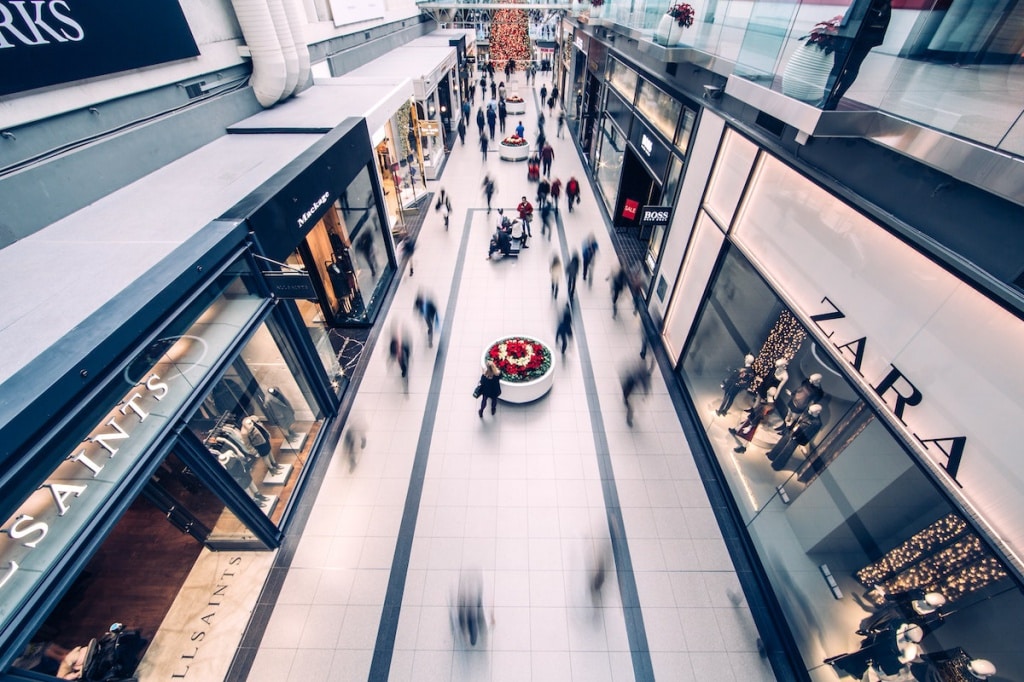
The National Retail Federation predicts the market will experience the kind of rapid growth “the country hasn’t seen since 1984.
Although initial forecasts of a market recovery were very cautious, the eagerness of shoppers to return to the stores suggests that things will happen much faster. Assessing what is happening, experts from NRF significantly improved forecasts, saying that the market will not just recover but do it rapidly. Moreover, it is suggested that the last time such a growth rate was observed was in 1984.
The organization expected retail sales to grow between 10.5 and 13.5% in 2021 to between $4.44 trillion and $4.56 trillion. By comparison, total retail sales were $4.02 trillion in 2020 and $3.76 trillion in 2019. NRF had previously made much more modest growth forecasts of about 6.5-8.2 percent, or $4.33 trillion.
The federation also improved its annual GDP growth forecast to about 7%, a marked improvement from the 4.4-5% previously expected. It was stated that output would return to pre-pandemic levels this fiscal quarter.
According to NRF Chief Economist Jack Kleinhenz, much of this is due to government stimulus, fueled consumer interest in making purchases. Tired of sitting indefinitely within four walls, people are now more willing to visit stores and shop.
Many large retailers, including Walmart, Levi’s, and Macy’s, have echoed NRF’s predictions, recently reporting a successful first quarter and raising their outlook for the year. In their view, this is not a short-term spike in consumer interest but rather a new trend.
Despite the rosy outlook, however, the nation’s retail industry faces challenges, including inflation, port congestion, and labor shortages. According to the Commerce Department, U.S. retail sales growth stalled in April after jumping 10.7% in March. Data for May have not yet been announced.

European retail is scaling AI, agentic commerce and retail media, but consumer trust is becoming the constraint. Four structural shifts…
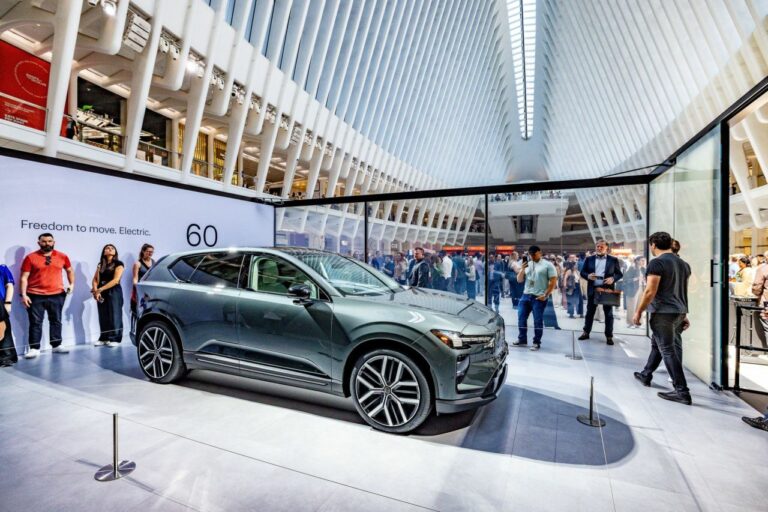
Mall operators are no longer leasing space for pop-ups. They are selling audience access.
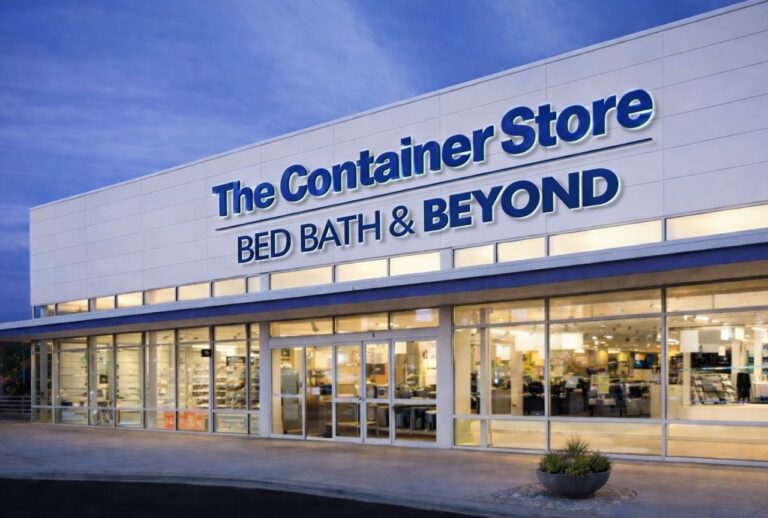
Physical stores still drive most retail sales, fulfill online orders, support AI shopping, and help brands return to market.
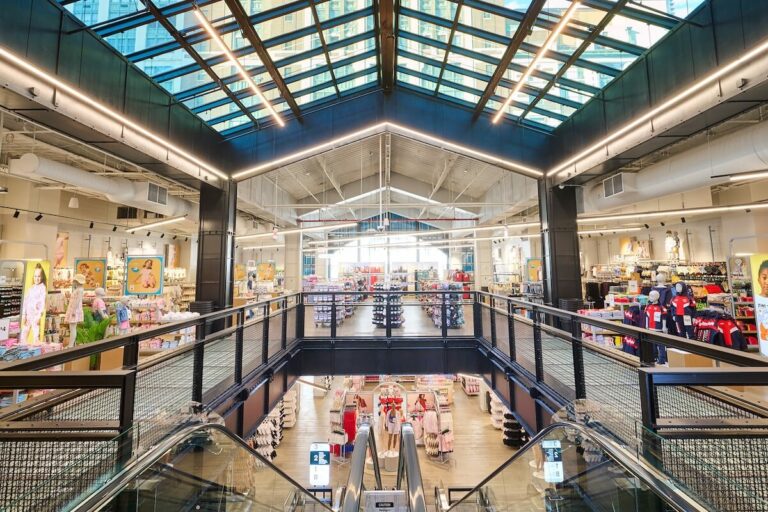
A practical guide to nine mall tenant formats in 2026, from flagships and pop-ups to anchor redevelopment and mixed-use retail.
1,051 of 1,173 US malls hold zero ultra-luxury brands. Half of all Cartier, Chanel, Hermès, and Louis Vuitton mall stores…
Every physical expansion decision starts with the same question: where does the store go?
Verified signals on brand expansion, store openings, and mall development. Free.
Free · No credit card · Unsubscribe any time
