
Michael Conway from Phillips Edison company provides industry insight at ICSC’s RECon event in Las Vegas.
The views were formed by the firm’s emerging trends team, led by Michael Conway, Vice President of Phillips Edison.
Mr. Conway and his team, who monitor emerging retail trends, cultivate new merchant relationships, and nurture actual retailer relationships, see significant potential for innovative concepts and innovative retail strategies as the retail landscape continues to evolve.
Mr. Conway stated that the retail industry as a whole is consistently improving. “E-commerce and ease of delivery have encouraged brick-and-mortar retailers to innovate and improve their in-store experience.”
The emerging trends team has identified some retail concepts that are breaking out this year. Here are the most encouraging and significant developments of note:
Delivery programs, “click and pick” options, and prepared meals are examples of how regular grocers like Kroger and Publix have adapted and responded to customers’ needs and helped compete against businesses like Blue Apron, Hello Fresh, and Plated. Grocerants and restaurants within stores are also becoming more prevalent.
Showrooms like Rent the Runway, Bonobos, Gap’s Athleta, and BaubleBar will continue to develop as online retailers find it as a way to achieve growth within brick-and-mortar locations. Even online players like Amazon and Google are jumping on this trend with the opening of bookstores and grocery stores in the main areas.
The trend of group fitness continues to grow. Studios like CycleBar, Soul Cycle, Orange Theory Fitness, Core Power Yoga, Pure Barre, and Club Pilates will be added to the tenant mix and infiltrate shopping malls as experiential retailers.
Quick-service restaurant options are making healthier and more stylish with salad concepts like Grabbagreen, Chopt, and fresh/organic ingredient options like Core Life Eatery, BibibBob, Sweetgreen, Newks, and Taziki’s.
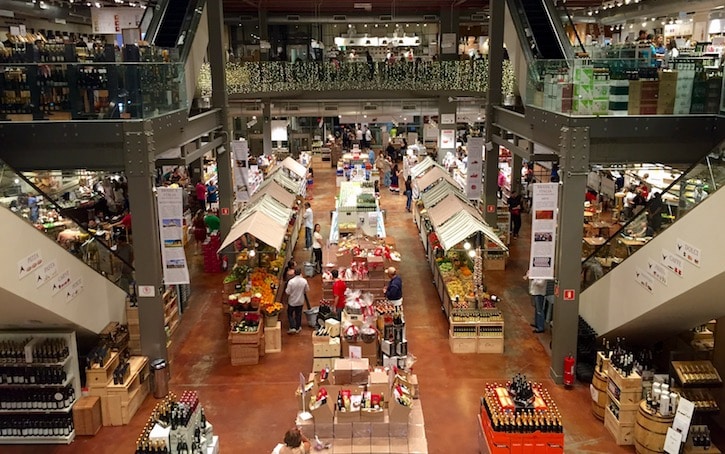
It is expected that there will be 200 food halls in the U.S. by 2020, which is more than double the amount we have today. Millennials and the foodie culture have fueled this idea, so we will continue to see the planning and development of projects. Eataly, the leading food hall creator, has 35 locations alone and plans for several other food halls in the next few years.
Retailers and landlords are responding to consumers’ desire for an immersive experience by merging the boundaries between retail, experience, and dining establishments. Shopping centers are becoming a social arena where shoppers can eat, drink, socialize, and shop. “There’s a good chance that the shopping center as we know it will look completely different ten years from now,” added Mr. Conway. “We all have to continue to adapt; when you have an innovative mindset, new ideas come to light. It’s a pivotal time for the industry, and we feel lucky to be a part of its evolution.”
European retail is scaling AI, agentic commerce and retail media, but consumer trust is becoming the constraint. Four structural shifts…
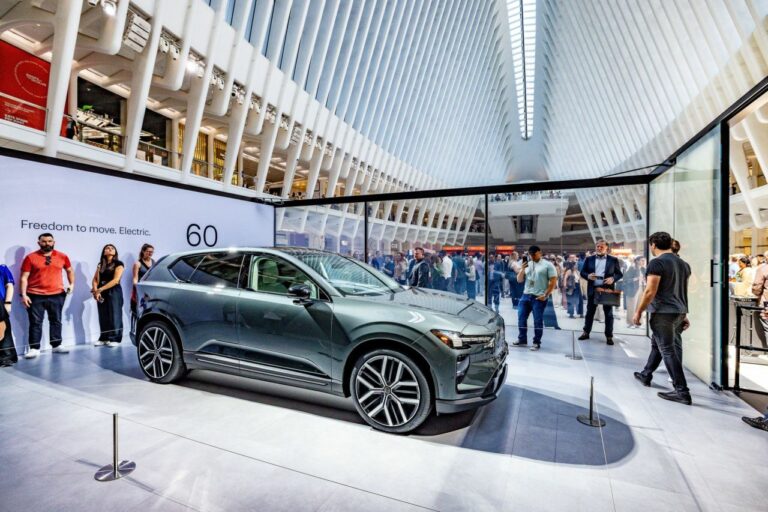
Mall operators are no longer leasing space for pop-ups. They are selling audience access.
Physical stores still drive most retail sales, fulfill online orders, support AI shopping, and help brands return to market.
A practical guide to nine mall tenant formats in 2026, from flagships and pop-ups to anchor redevelopment and mixed-use retail.
1,051 of 1,173 US malls hold zero ultra-luxury brands. Half of all Cartier, Chanel, Hermès, and Louis Vuitton mall stores…
Every physical expansion decision starts with the same question: where does the store go?
Verified signals on brand expansion, store openings, and mall development. Free.
Free · No credit card · Unsubscribe any time
Billed annually · View full comparison · Payment via invoice or PayPal
