The traditional shopping centre market in Poland appears to be becoming saturated and investors are now seeking other “niche” retail formats. CBRE presents the “Outlet Shopping Centres” report, in which it discusses the current situation and reviews future opportunities for growth in this sector of the market. A typical outlet centre has at its disposal […]
The traditional shopping centre market in Poland appears to be becoming saturated and investors are now seeking other “niche” retail formats. CBRE presents the “Outlet Shopping Centres” report, in which it discusses the current situation and reviews future opportunities for growth in this sector of the market.
A typical outlet centre has at its disposal retail space of between 12 000 and 25 000 sq m. It attracts tenants by offering goods at prices that are at least 30% lower than those offered by regular stores. Generally, these centres are located in urban areas with the location enabling around 2 million visitors access to the scheme within less than 1.5 hours.
There are 13 facilities operating on the outlet centre market at the moment, with tenants offering their goods at prices that are at least 30% lower when compared to those offered by regular stores. Price is the distinguishing factor for outlet centres. When making the decision to open a store within an outlet facility, store owners become bound by a contract that obliges them to maintain lower prices.
Therefore, the fashion sector is the one most strongly represented amongst outlet centre tenants, with its share amounting to 50% of the total number. The sportswear and footwear sectors are also well represented, with their share in outlet schemes amounting to 11.8% and 11.5% respectively. In turn, services have the weakest representation, with their presence oscillating at a level of 1%. Additionally, a characteristic common for the outlet concept is the absence of the restaurant section, i.e. the so-called food court, which is an integral part of a traditional shopping centre.
The success of an outlet centre depends largely on the location, density of population and catchment area. Taking into consideration the existing facilities, there are potential areas in Poland where new outlet centres could be erected. Initial estimates point to the south and south-east regions as well as Central Poland, although it is possible that increasing tenant numbers and the maturing retail market will result in the emergence of further potential locations.

European retail is scaling AI, agentic commerce and retail media, but consumer trust is becoming the constraint. Four structural shifts…
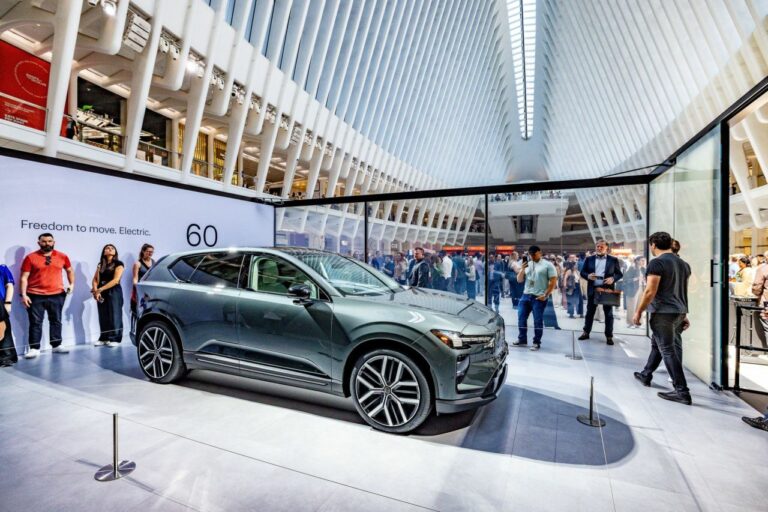
Mall operators are no longer leasing space for pop-ups. They are selling audience access.
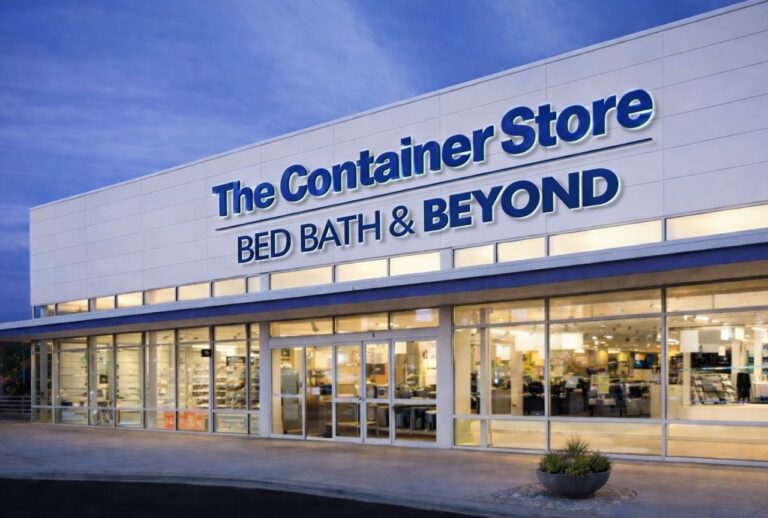
Physical stores still drive most retail sales, fulfill online orders, support AI shopping, and help brands return to market.
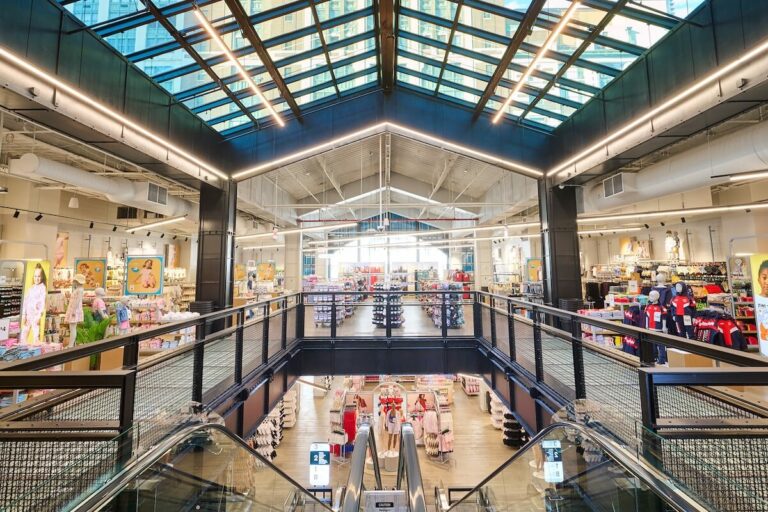
A practical guide to nine mall tenant formats in 2026, from flagships and pop-ups to anchor redevelopment and mixed-use retail.
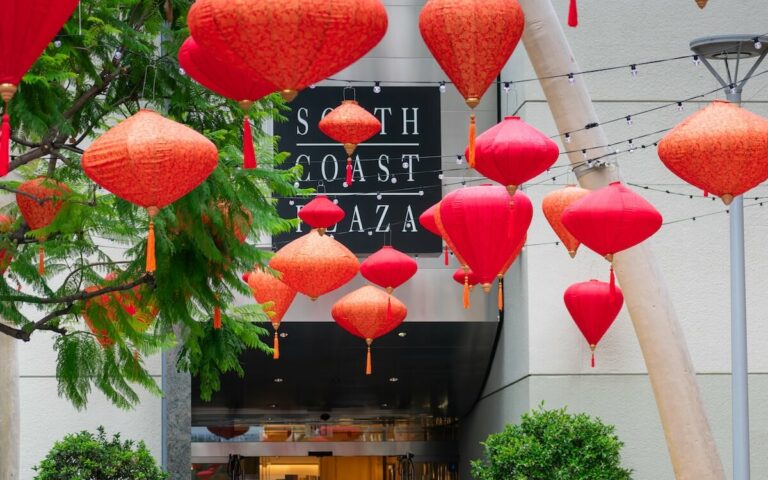
1,051 of 1,173 US malls hold zero ultra-luxury brands. Half of all Cartier, Chanel, Hermès, and Louis Vuitton mall stores…

Every physical expansion decision starts with the same question: where does the store go?
Verified signals on brand expansion, store openings, and mall development. Free.
Free · No credit card · Unsubscribe any time