
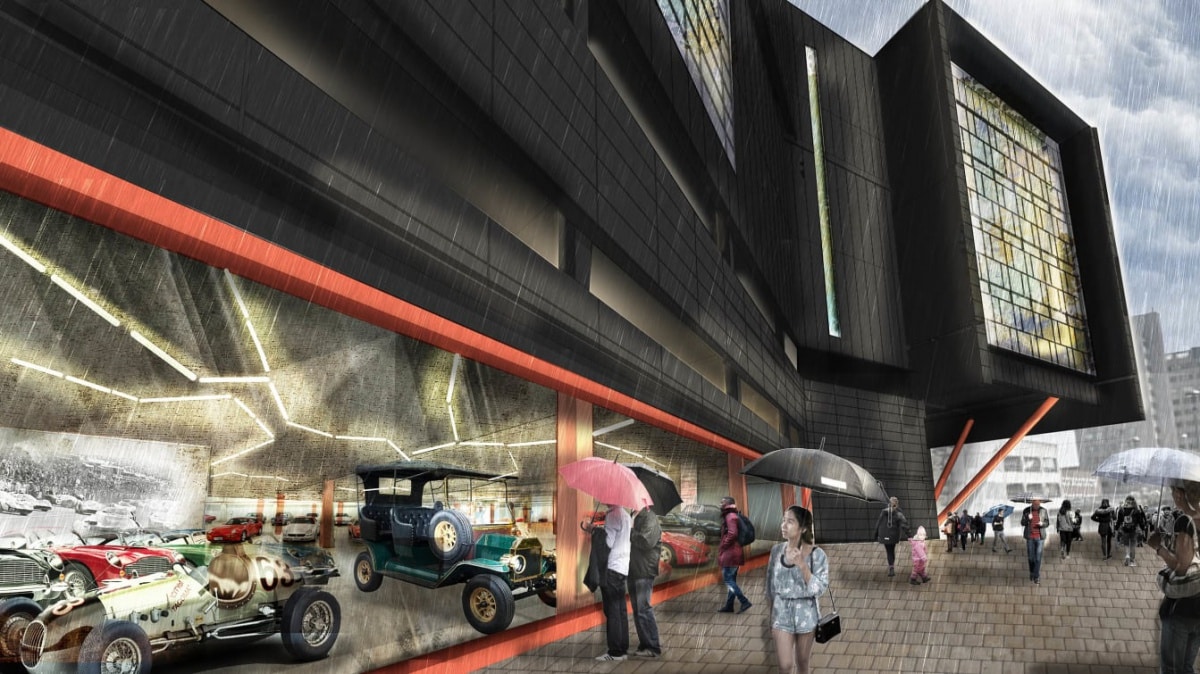
A landmark building in the city will become home to a collection of art after renovations.
In February 2020, IKEA announced the closure of its Coventry store in the United Kingdom, signaling the end of an era for the distinctive downtown retail space.
The seven-story facility, which opened in 2007, was the only IKEA shop in the United Kingdom to be prominently positioned in a large city’s economic core. Despite its original design, the store suffered financial difficulties, prompting the decision to close.
This unique structure, which is already a Coventry monument, is now ready for a new chapter. Local officials have recommended renovating the abandoned IKEA facility as a lively cultural hub that would greatly benefit the region. The proposed transformation would redefine the area as an art center, displaying important art collections and holding a variety of social and cultural activities. The plan also intends to improve residents’ access to the region’s cultural and heritage resources.
Coventry City Council describes the initiative as a “lasting physical, economic, and cultural legacy.” Renderings for the proposed reconstruction have already been submitted, demonstrating the space’s potential to become a hub for innovation and community participation. The council envisions a location that not only shows well-known artworks from around the country but also serves as a platform for promoting Coventry’s diverse cultural legacy.
A final vote on February 23 will decide the fate of the project. While the exact cost of the change has not been published, officials agree that it will require a multimillion-dollar expenditure. If authorized, the reconstruction of the former IKEA building might serve as a symbol of cultural revival, bringing fresh vitality to the city and creating a lasting legacy for future generations.

European retail is scaling AI, agentic commerce and retail media, but consumer trust is becoming the constraint. Four structural shifts…
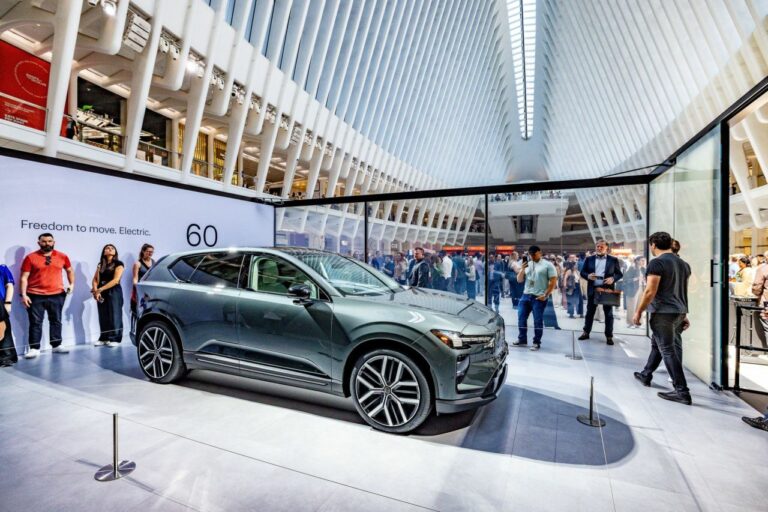
Mall operators are no longer leasing space for pop-ups. They are selling audience access.
Physical stores still drive most retail sales, fulfill online orders, support AI shopping, and help brands return to market.
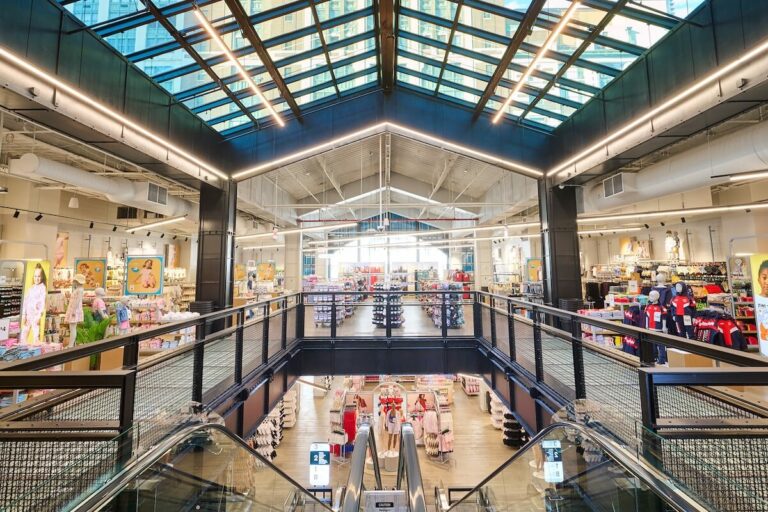
A practical guide to nine mall tenant formats in 2026, from flagships and pop-ups to anchor redevelopment and mixed-use retail.
1,051 of 1,173 US malls hold zero ultra-luxury brands. Half of all Cartier, Chanel, Hermès, and Louis Vuitton mall stores…
Every physical expansion decision starts with the same question: where does the store go?
Verified signals on brand expansion, store openings, and mall development. Free.
Free · No credit card · Unsubscribe any time
