
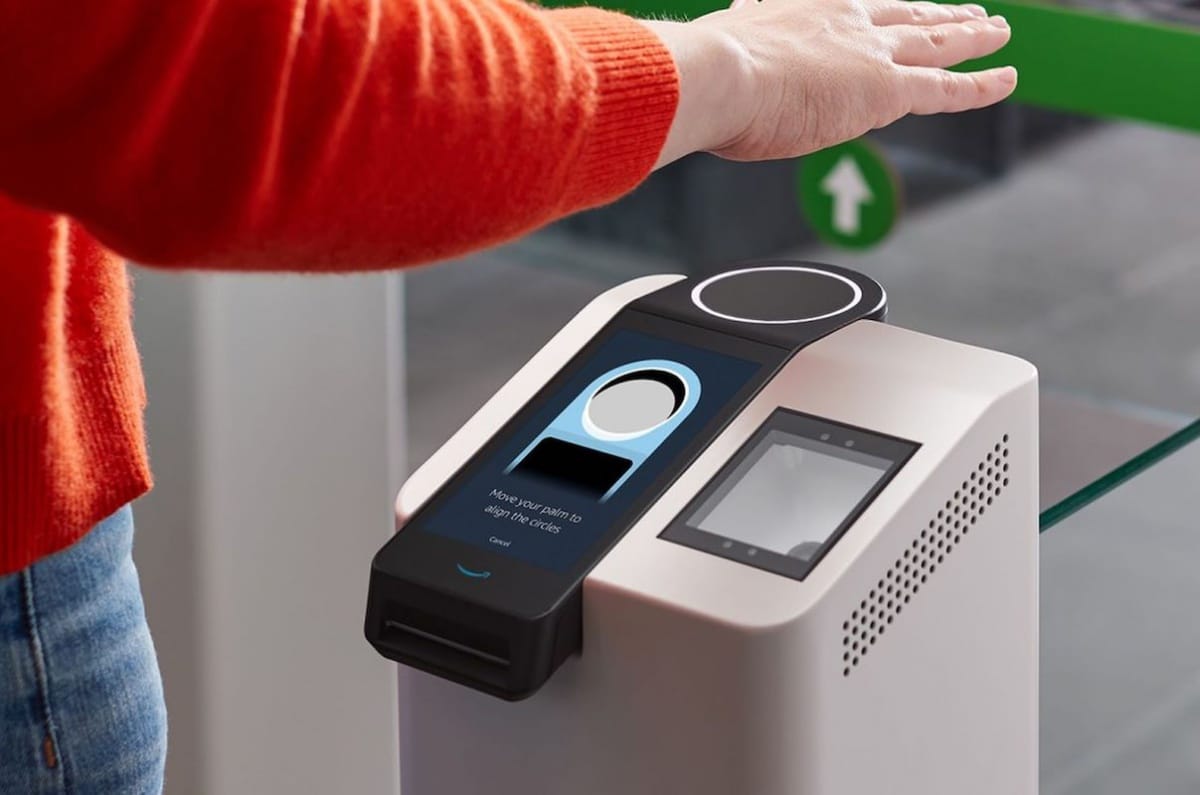
Amazon Style is experimenting with various tech services to enhance the shopping experience.
A new Amazon clothing store based on technology is opening in California. Almost 2,800 square feet of retail space will feature palm scanning, QR codes, and real-time recommendations. It is located in a premium mall in a suburb of Los Angeles.
Customers will enjoy Amazon Style’s technological advances, including QR codes for viewing different sizes, colors, and product ratings, as well as the option to order clothes online and have them delivered. The store will be accessible by scanning customers’ palms.
Analysts report that Amazon and other major brands are reevaluating the value of traditional physical stores after a wave of retail closures in recent years. Coresight Research estimates that 5,000 new retail stores opened in the U.S. last year, slightly more than the number of stores that closed. PwC estimates that customer traffic in U.S. stores has recovered to pre-crisis levels.
Amazon’s launch of a full-size clothing store is another attempt to venture into physical retail after trying bookstores and grocery stores. It is expected that Amazon will be the largest retailer of apparel and footwear in the United States by the end of this year, with sales of more than $45 billion.
Despite its growing financial performance in the fashion category, Amazon still looks to traditional retail, dominating the market. Even with the rapid development of online channels, consumers still prefer to buy clothes and shoes “in-person” – physical stores account for more than 85% of the market.
The launch of Amazon Style is an experiment to determine whether the Internet giant can expand its customer base. As of today, the company operates over 500 Whole Foods stores and invests in about 90 retail stores under the Amazon Books and Amazon Fresh brands. What are the chances that Amazon will be able to wrest customers away from other fashion retailers?
European retail is scaling AI, agentic commerce and retail media, but consumer trust is becoming the constraint. Four structural shifts…
Mall operators are no longer leasing space for pop-ups. They are selling audience access.
Physical stores still drive most retail sales, fulfill online orders, support AI shopping, and help brands return to market.
A practical guide to nine mall tenant formats in 2026, from flagships and pop-ups to anchor redevelopment and mixed-use retail.
1,051 of 1,173 US malls hold zero ultra-luxury brands. Half of all Cartier, Chanel, Hermès, and Louis Vuitton mall stores…
Every physical expansion decision starts with the same question: where does the store go?
Verified signals on brand expansion, store openings, and mall development. Free.
Free · No credit card · Unsubscribe any time
