
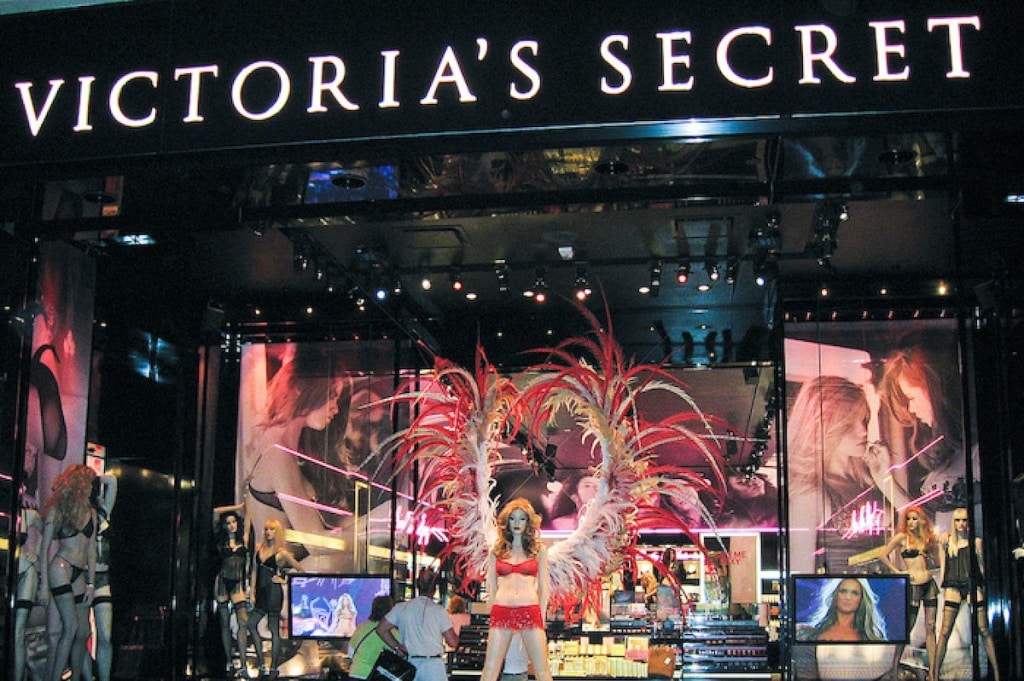
L Brands, which owns Victoria’s Secret lingerie brand, has announced the termination of its agreement with private investment fund Sycamore Partners.
On February 20, 2020, it became known about the preliminary agreement, according to which the company Sycamore Partners acquired 55% of shares of Victoria’s Secret for 525 million dollars, while the remaining 45% of shares were transferred to a separate company.
However, at the end of April, it was reported that a potential buyer decided to abandon the deal. Sycamore Partners sued to terminate the agreement, claiming that L Brands had violated the terms of the contract by ceasing to pay rent and dismissing thousands of employees in a coronavirus pandemic. The owners of Victoria’s Secret filed a counterclaim to enforce the terms of the agreement.
And now, new information has emerged that the purchase will indeed not take place, and the parties will withdraw the lawsuits and end the case peacefully. Presumably, L Brands was forced to take this step because it could not afford expensive suits amid a sharp drop in sales and financial difficulties.
The new agreement dramatically cuts one of the most significant deals in the retail world this year and makes the future of Victoria’s Secret uncertain. The brand was a pioneer in the mass lingerie market, but in recent years its business has shrunk amid internal contradictions and changing consumer tastes.
However, L Brands has already announced that it is already preparing “Plan B” and will continue to work on the separation of Victoria’s Secret as a separate company, although it will now be much harder to do so. It is already known that some personnel reshuffles will be made for this purpose. All other details will be made public on May 21.
The vendors and deployments behind shopping advice, store navigation and retail operations, with a closer look at what it takes…
Miss A, Rowan and HEYTEA are on US mall opening lists in fall 2026. Their public records show what each…
Gross margins and selected profit metrics for Coach, Pop Mart, lululemon, Miniso, Five Below, TJX and Costco, plus where each…
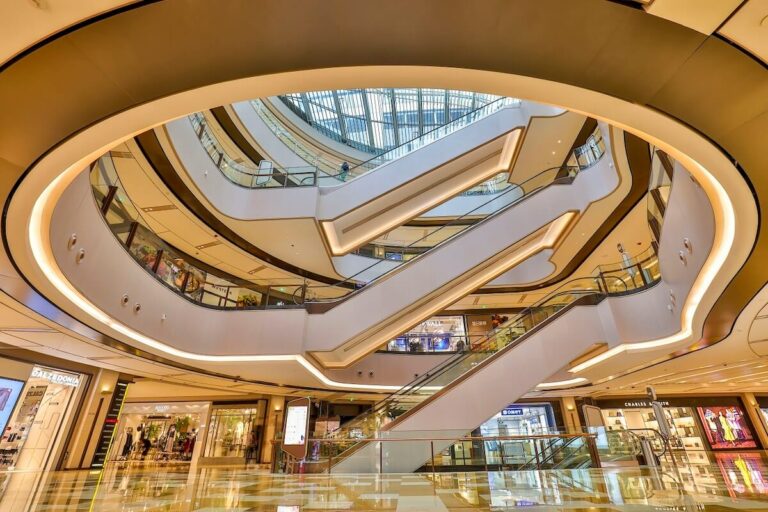
NikeSKIMS, Birkenstock and Starbucks Reserve chose HKRI Taikoo Hui for major China debuts. Why the Shanghai complex keeps winning new…
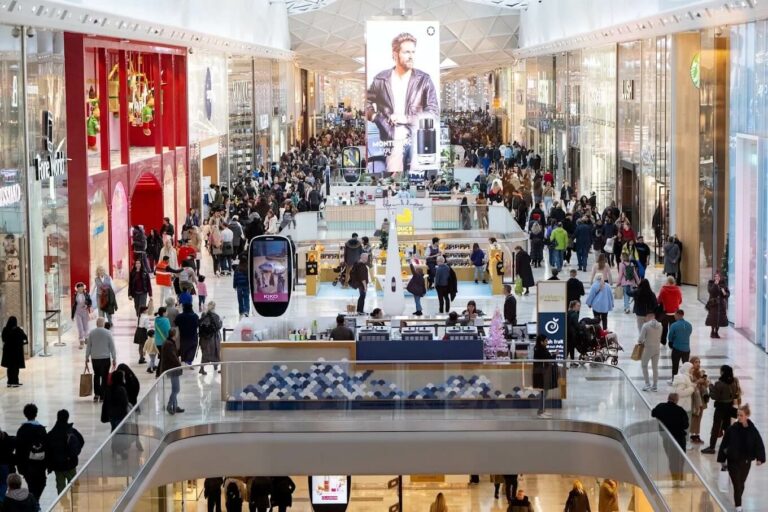
Bluewater opens its first new anchor since 1999. Next takes the former House of Fraser space with about 132,000 square…
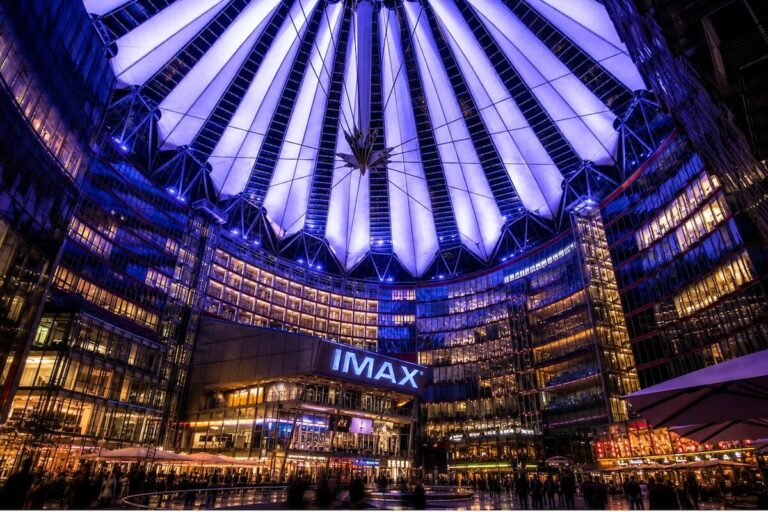
Opening in IMAX 70mm on July 17, 2026: Christopher Nolan's The Odyssey. Select shows went on sale one year in…
