
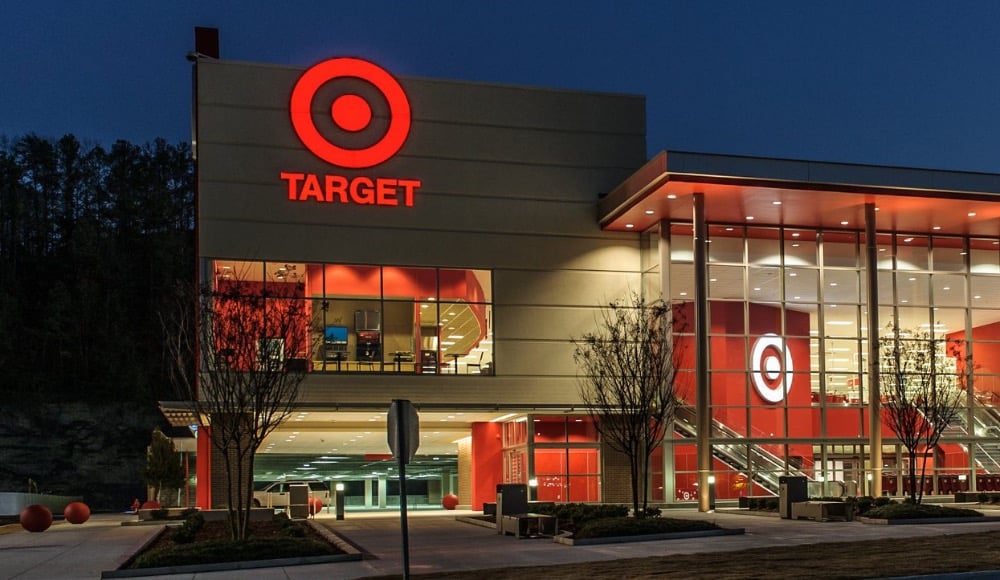
The American retailer has launched The Game Room, a new concept store, where visitors can immerse themselves in the world of gaming.
The new retail space opened by the company in San Francisco is entirely in keeping with its name. It’s a kind of adult gaming room where customers can test game consoles, try on virtual reality glasses and play their favorite games on the latest gaming computers and mobile devices. Most of the presented gadgets and services will be available for purchase on-site, but some of them are shown only for reference.
The difference from the usual gaming rooms, where visitors can just play on computers, is that all technologies belong instead to the world of the future, it is the newest developments in the world of gaming. Customers will have the opportunity to test Magic Leap and Oculus Quest virtual reality glasses, get the experience of virtual and augmented reality in particular areas of the store, play games on smartphones connected to Stadia, cloud gaming service from Google, try new games in Arcade from Apple and much more.
The primary purpose of the store is to test the possibility for Target to enter a new area for itself and attract gamers to its stores. Interest in a variety of games among consumers is on the rise, this industry is estimated at tens of billions of dollars. And although only a small part of this turnover is due to physical products that can be purchased in regular shops, this direction is still desirable for retailers.
And at this stage, Target is looking for ways to introduce products for gamers on the shelves of its chain stores. The Game Room will allow the company to explore how users are using new ways to interact with gaming services and gadgets, and whether they are willing to spend money on such purchases are not online, and directly in stores.

European retail is scaling AI, agentic commerce and retail media, but consumer trust is becoming the constraint. Four structural shifts…
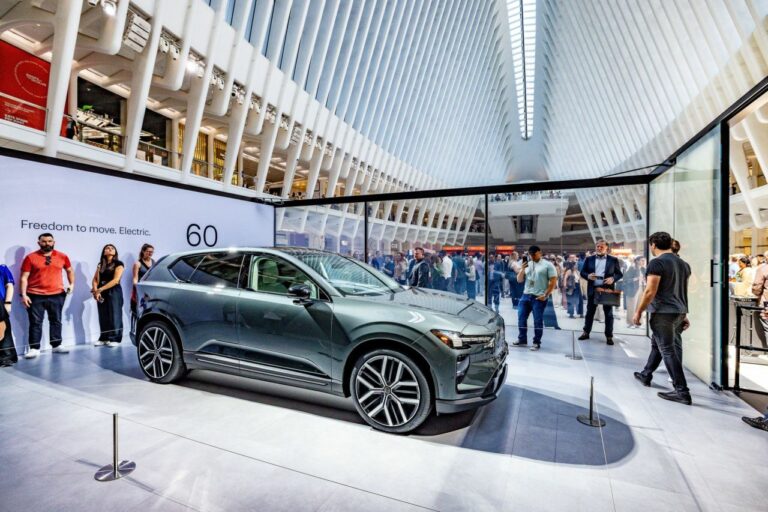
Mall operators are no longer leasing space for pop-ups. They are selling audience access.
Physical stores still drive most retail sales, fulfill online orders, support AI shopping, and help brands return to market.
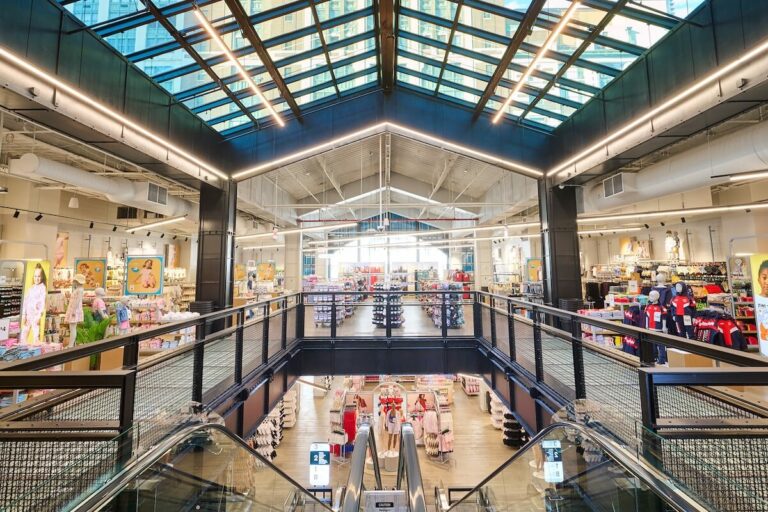
A practical guide to nine mall tenant formats in 2026, from flagships and pop-ups to anchor redevelopment and mixed-use retail.
1,051 of 1,173 US malls hold zero ultra-luxury brands. Half of all Cartier, Chanel, Hermès, and Louis Vuitton mall stores…
Every physical expansion decision starts with the same question: where does the store go?
Verified signals on brand expansion, store openings, and mall development. Free.
Free · No credit card · Unsubscribe any time
