
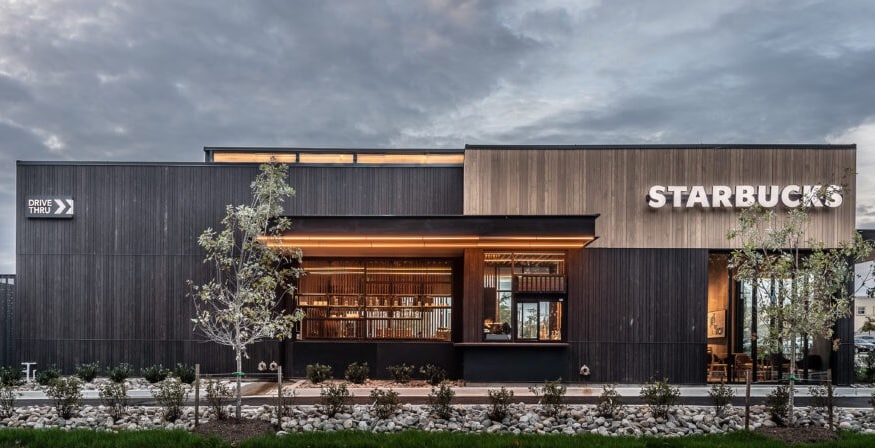
Starbucks will focus on developing a mobile application and increasing the number of drive-thrus and drop-off points.
With the Coronavirus pandemic, many retail realities have changed, perhaps forever, and pre-existing trends towards convenience and a more personalized experience have only intensified. Buyers are increasingly adopting digital technology and want to get the most out of it. By taking a number of steps to integrate the physical and digital experiences of customers, Starbucks aims to meet its changing needs. In an open letter, Starbucks CEO Kevin Johnson described the company’s new plans as “incredibly ambitious.”
The chain plans to increase the convenience of shopping at restaurants by increasing the number of drive-thrus, as well as small outlets, including those where you can pick up orders previously made using the mobile app Starbucks. The use of the app, through which you can also pre-pay your order, should become an integral part of your shopping experience in today’s environment. Starbucks Rewards loyalty program, which already includes over 19 million members, will also be expanded.
New Starbucks pickup points will appear in major cities including New York, Chicago, Seattle, and San Francisco, while more car cafes will be available in less populated suburban areas, as well as points at which coffee beverages can be purchased through street delivery windows, even from the comfort of the car.
With the increased use of Starbucks ordering applications by customers and the nationwide availability of Uber Eats delivery, Starbucks will also redesign a number of restaurants. These will include separate checkout desks and mobile order desks to make it easier for customers and couriers to pick up their orders.
Starbucks’ traditional approach to restaurants as places for relaxation and socialization is being redesigned and the company aims to provide customers with an equally convenient and comfortable experience, but with greater mobility, greater use of delivery, and shopping on the go.
European retail is scaling AI, agentic commerce and retail media, but consumer trust is becoming the constraint. Four structural shifts…
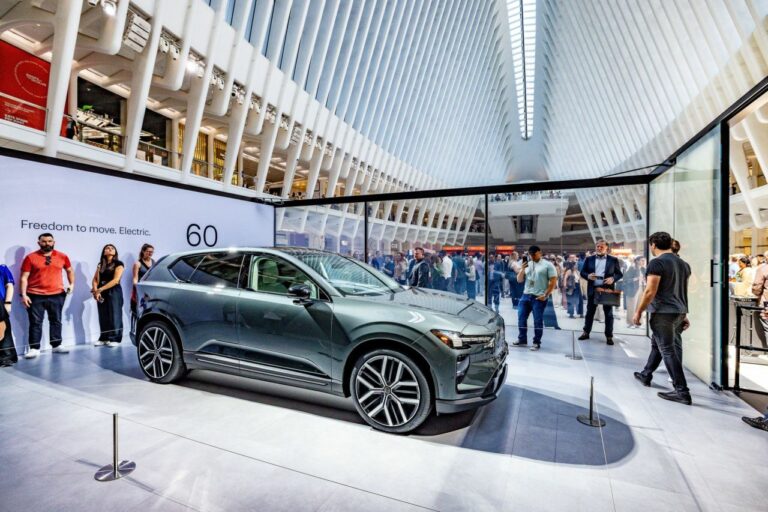
Mall operators are no longer leasing space for pop-ups. They are selling audience access.
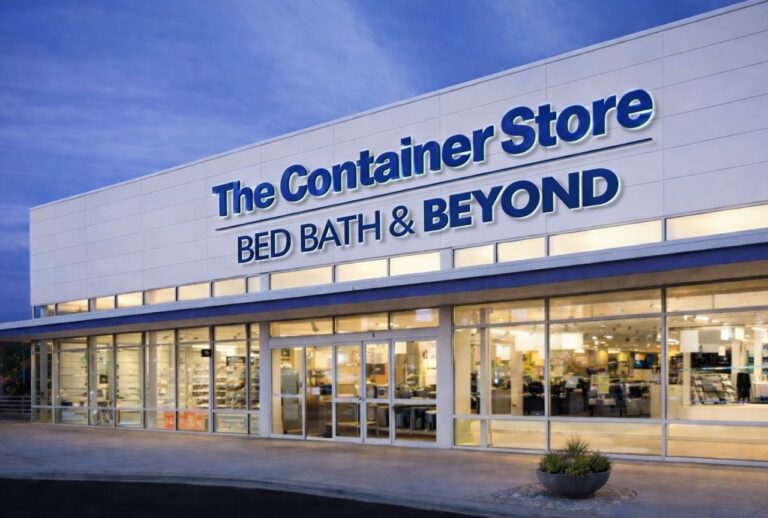
Physical stores still drive most retail sales, fulfill online orders, support AI shopping, and help brands return to market.
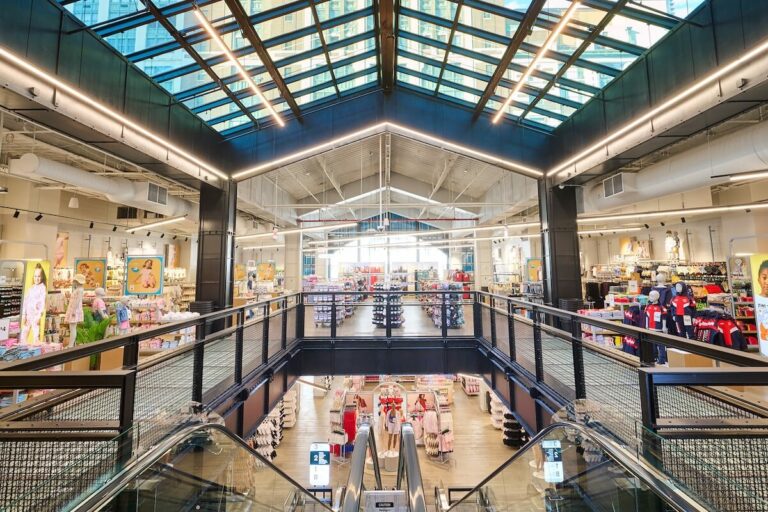
A practical guide to nine mall tenant formats in 2026, from flagships and pop-ups to anchor redevelopment and mixed-use retail.
1,051 of 1,173 US malls hold zero ultra-luxury brands. Half of all Cartier, Chanel, Hermès, and Louis Vuitton mall stores…
Every physical expansion decision starts with the same question: where does the store go?
Verified signals on brand expansion, store openings, and mall development. Free.
Free · No credit card · Unsubscribe any time
