

The new retail space totals 3,600 square feet.
Emily Oberg’s Sporty & Rich brand is joining a long list of fashion labels by opening a flagship store in New York’s Soho neighborhood. The new retail space totals 3,600 square feet.
Sporty & Rich opened its doors to shoppers in the space that previously housed a Dior Men’s boutique. The store features a collection of signature apparel and accessories. It has opened an in-house spa offering specialized facials, lymphatic drainage treatments and massages, and a full-service juice bar.
At the new store, the brand sells colorful T-shirts, hoodies and sweatshirts, as well as jewelry, phone cases, workout clothes and sports gear. The launch of the flagship is in line with Sporty & Rich’s strategy to take the brand beyond the definition of “streetwear.”
“I do consider Sporty & Rich streetwear, but I also consider it a lifestyle and wellness brand,” Oberg said. “I’m trying to get out of the ‘streetwear’ lane because I feel it is very limiting – even Supreme’s business isn’t as strong as it once was because people are just shopping differently. The demand for logo-driven items is decreasing, so I want to expand and broaden the range.”
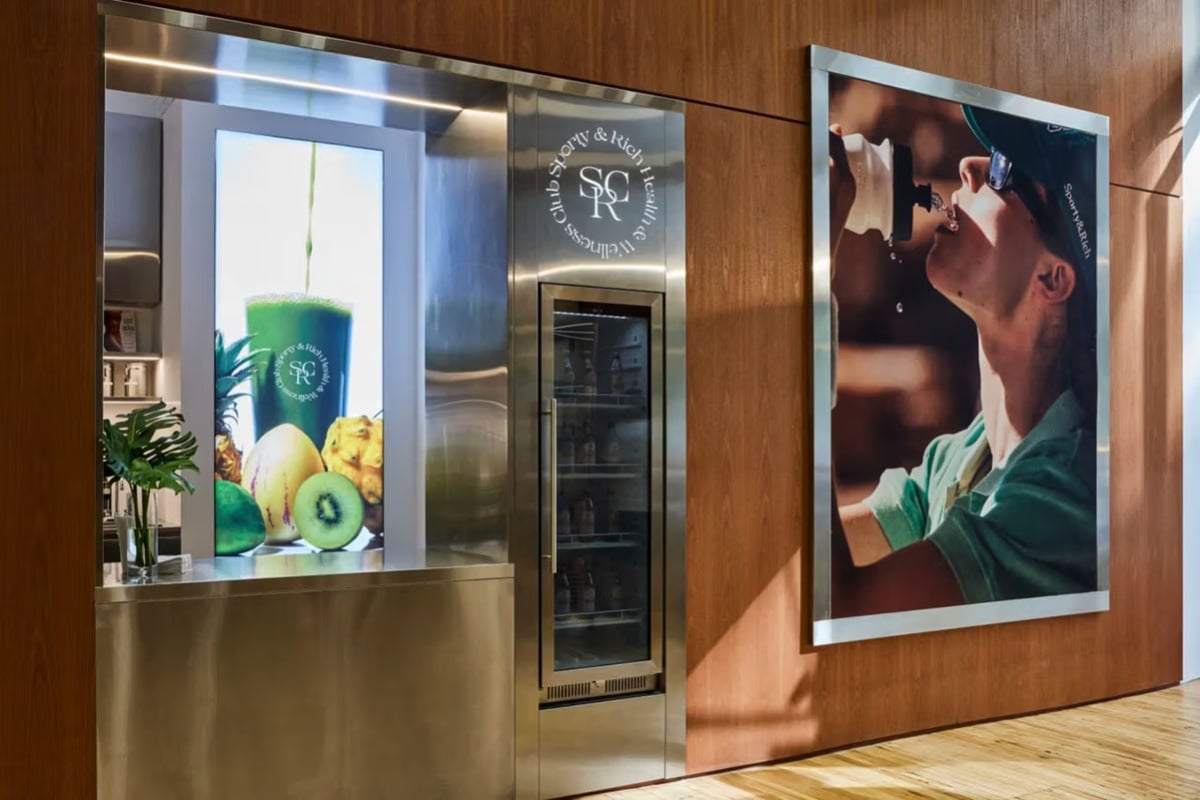
Sporty & Rich is a popular lifestyle brand founded by Emily Oberg, a Canadian creative director, content creator, and influencer. The brand has gained significant popularity for its minimalist and vintage-inspired designs, combining sportswear and luxury fashion elements.
Emily Oberg started Sporty & Rich in 2014 as an online blog, sharing her passion for fitness, wellness, and fashion. Over time, the blog evolved into a full-fledged lifestyle brand that includes clothing, accessories, and other lifestyle products.
Clean lines, retro graphics, and a nostalgic vibe from the 70s and 80s characterize the brand’s aesthetic. Sporty & Rich promotes a balanced and active lifestyle, encouraging its followers to focus on physical well-being and mental health.
Gross margins and selected profit metrics for Coach, Pop Mart, lululemon, Miniso, Five Below, TJX and Costco, plus where each…
NikeSKIMS, Birkenstock and Starbucks Reserve chose HKRI Taikoo Hui for major China debuts. Why the Shanghai complex keeps winning new…
Bluewater opens its first new anchor since 1999. Next takes the former House of Fraser space with about 132,000 square…
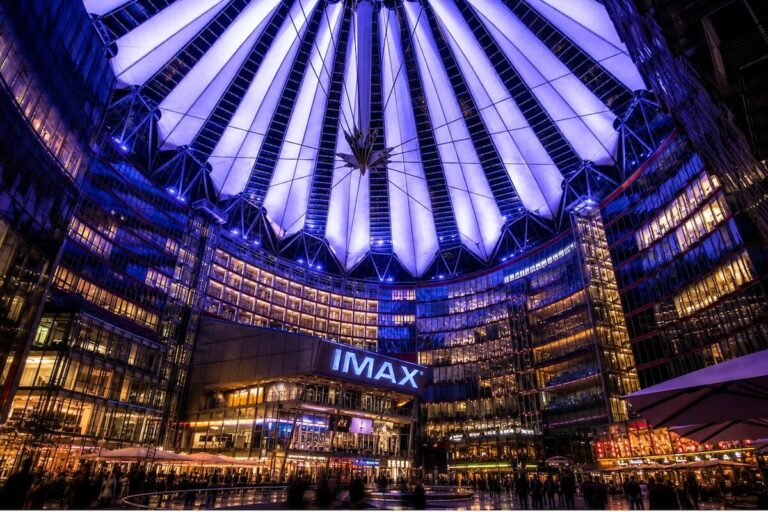
Opening in IMAX 70mm on July 17, 2026: Christopher Nolan's The Odyssey. Select shows went on sale one year in…

European retail is scaling AI, agentic commerce and retail media, but consumer trust is becoming the constraint. Four structural shifts…

Mall operators are no longer leasing space for pop-ups. They are selling audience access.
