

According to the company’s press office, the strong financial results were driven by the platform’s growing presence in the US market.
“We recorded the highest net profit for the first half of the year in the company’s history compared to near breakeven for the same period in 2022”. In the memo, he added: “In particular, the continued growth of our presence in the US reinforces our leading market position.” – commented the Deputy Chairman of the Board of the company Donald Tang.
Earlier it became known that the Swedish fashion giant H&M initiated legal proceedings against the trading platform Shein, violating the Organized Crime Abuse and Corruption Act by infringing on its intellectual property to create and sell copies of goods. At the same time, Shein continues its legal battle with Chinese competitor Temu.
Riding a wave of success in the U.S. and other markets, particularly Brazil, Shein says it plans to launch trading platforms in Mexico, Germany, France, Spain and Italy. “In addition, we continue to expand product categories on our shopping platform beyond fashion and apparel to other categories including appliances and other home goods,” the company said in a statement.
Shein is an international fast-fashion e-commerce platform specializing in women’s clothing but also offers men’s clothing, kids’ apparel, accessories, shoes, and other fashion-related products. The company was founded in 2008 and is based in China. It has rapidly become one of the world’s largest and most popular online fashion retailers.
Shein’s business model focuses on offering trendy and affordable clothing to many customers globally. They update their product catalog frequently to stay in line with the latest fashion trends. The platform offers many clothing items, including dresses, tops, bottoms, outerwear, and activewear. Additionally, they offer a wide range of accessories such as bags, jewelry, and shoes.
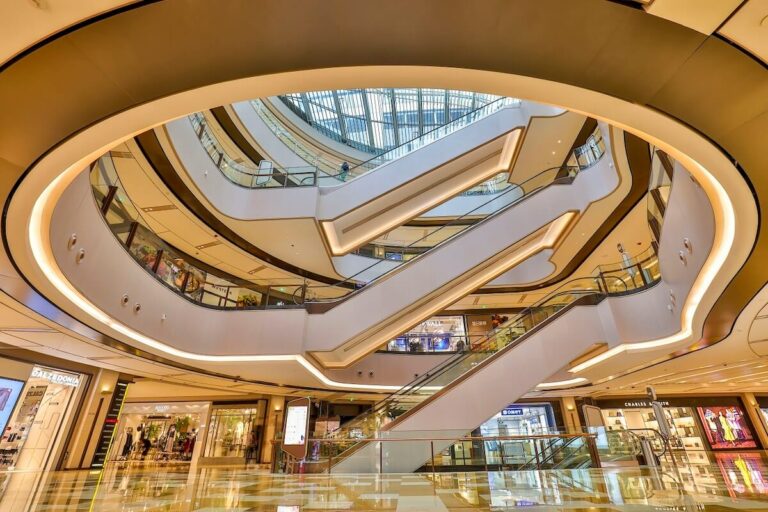
NikeSKIMS, Birkenstock and Starbucks Reserve chose HKRI Taikoo Hui for major China debuts. Why the Shanghai complex keeps winning new…
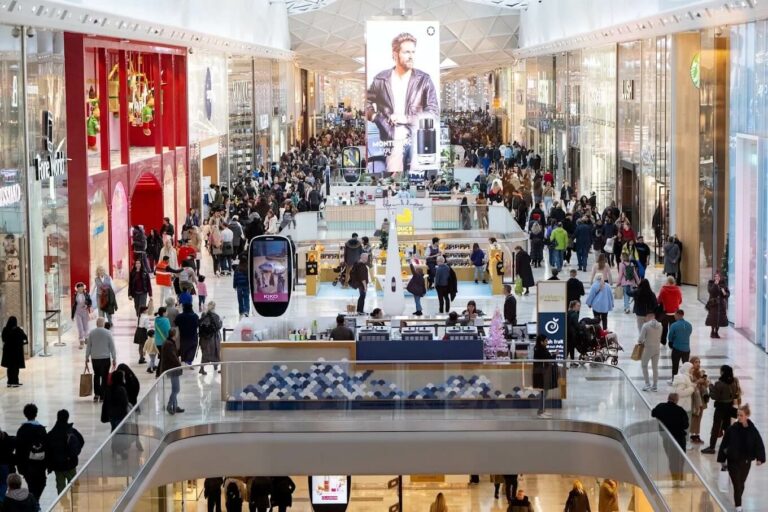
Bluewater opens its first new anchor since 1999. Next takes the former House of Fraser space with about 132,000 square…

Opening in IMAX 70mm on July 17, 2026: Christopher Nolan's The Odyssey. Select shows went on sale one year in…

European retail is scaling AI, agentic commerce and retail media, but consumer trust is becoming the constraint. Four structural shifts…

Mall operators are no longer leasing space for pop-ups. They are selling audience access.
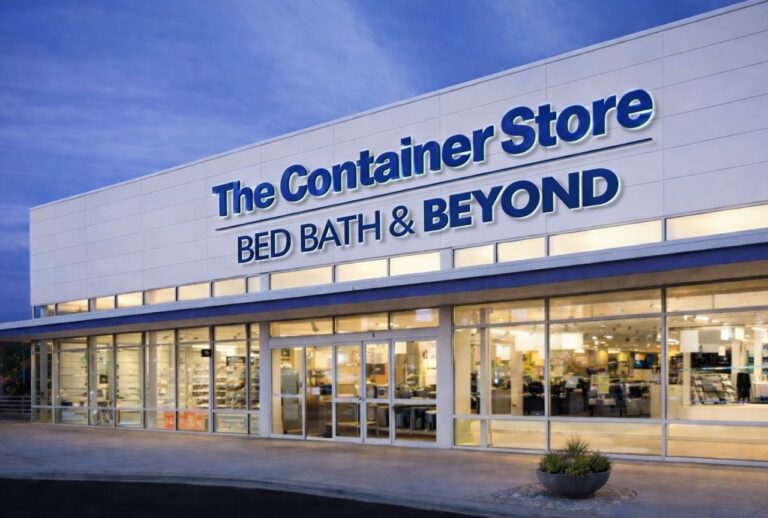
Physical stores still drive most retail sales, fulfill online orders, support AI shopping, and help brands return to market.
