
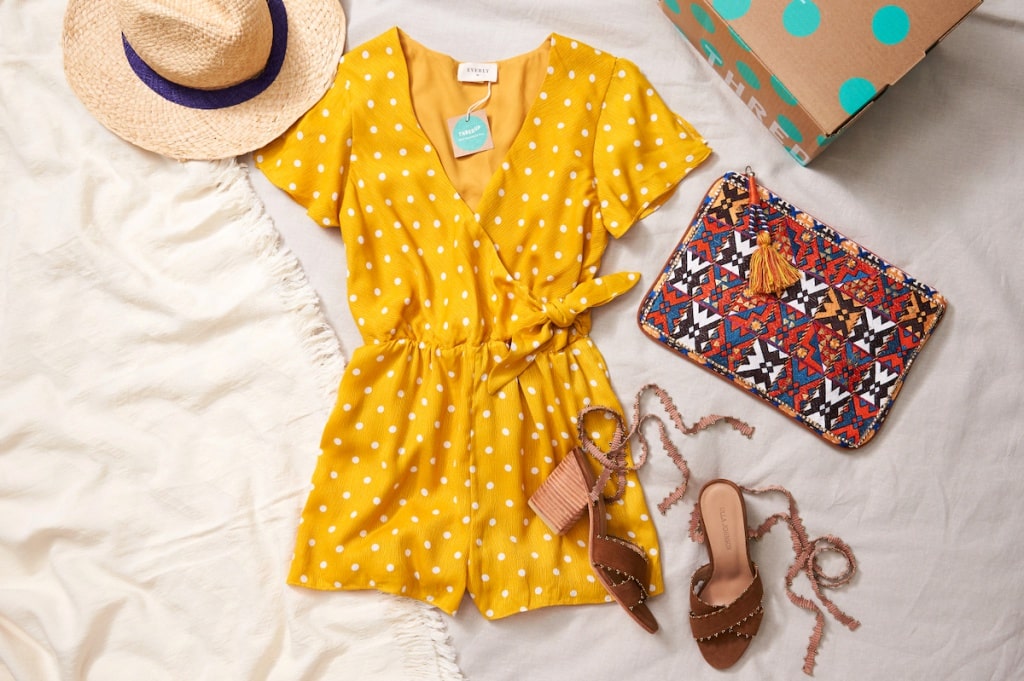
As the latest research shows, the used clothing market will grow rapidly in the coming years.
This is evidenced by research conducted by ThredUp, a second-hand company, and the analytical agency GlobalData Retail. According to their data, the second-hand clothing market, which is currently estimated at $28 billion, will reach $64 billion in less than five years. As James Reinhart, co-founder and CEO of ThredUp, said, “Resale is here to stay. The next question is who wins and who loses”.
Last year, the used clothing market grew 25 times faster than the average fashion. In 2019, it is estimated that 64 million people purchased used goods. By 2029, the proportion of used clothing in wardrobes is projected to be 17%, up from 3% in 2009. The share of clothes bought in traditional department stores will decrease from 22% to 7% during this period.
Previously, the Network received opinions from individual experts who believed that against the backdrop of the coronavirus pandemic, the used clothing market may, at some point, begin to decline. This may be due to consumer concerns about the possibility of transmission through tissue. But according to Reinhart, analysis of the data shows the opposite, and there is no decrease in sales.
Reinhart believes the reason for the growth of the used clothing market is the fact that today’s youth are no longer so wasteful, they are no longer willing to spend money in the race for “fast” fashion. Second-hand growth will also be facilitated by the decline in income caused by mass unemployment due to the pandemic. And the “green” factor should not be written off; consumers are beginning to consider the environment.
As a result, Thredup and GlobalData believe that second-hand clothing sellers will be the only ones who can boast of an influx of new buyers in these difficult times. For traditional clothing vendors, things are much more difficult.

European retail is scaling AI, agentic commerce and retail media, but consumer trust is becoming the constraint. Four structural shifts…
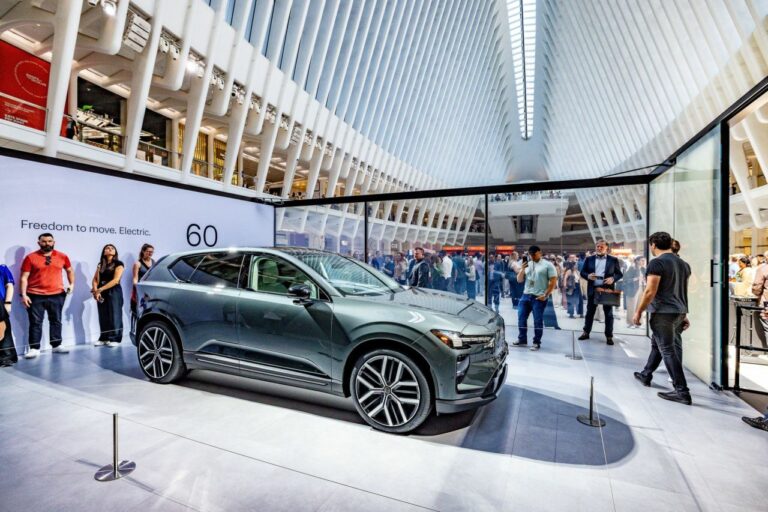
Mall operators are no longer leasing space for pop-ups. They are selling audience access.
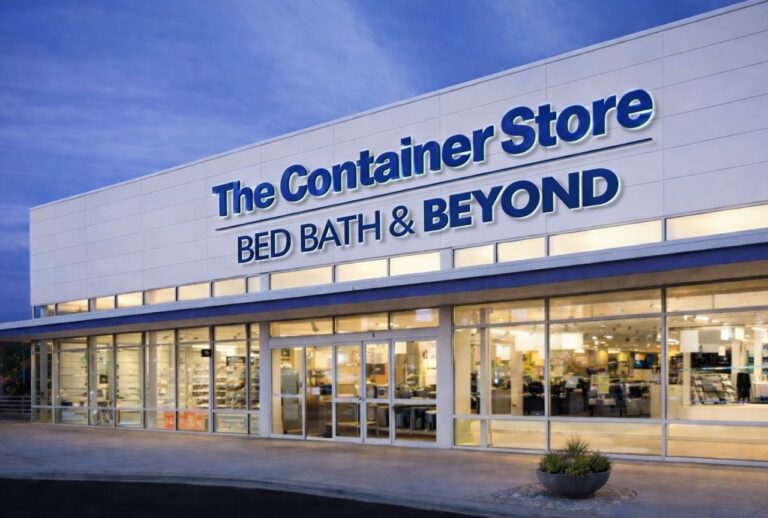
Physical stores still drive most retail sales, fulfill online orders, support AI shopping, and help brands return to market.
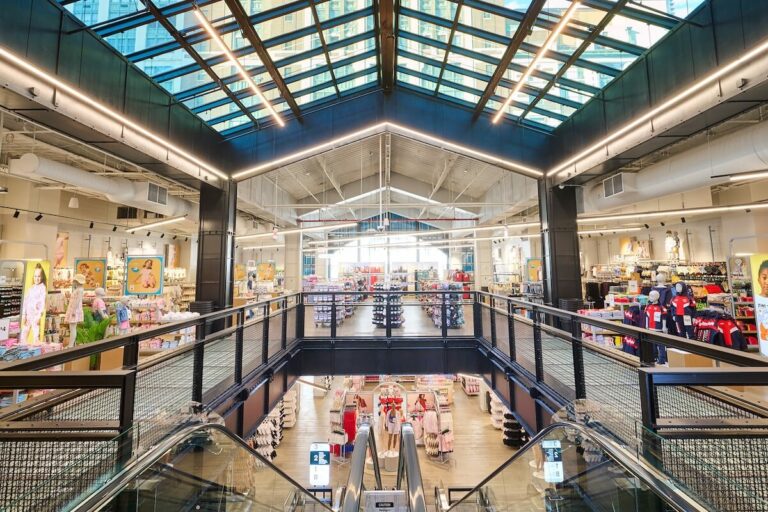
A practical guide to nine mall tenant formats in 2026, from flagships and pop-ups to anchor redevelopment and mixed-use retail.
1,051 of 1,173 US malls hold zero ultra-luxury brands. Half of all Cartier, Chanel, Hermès, and Louis Vuitton mall stores…
Every physical expansion decision starts with the same question: where does the store go?
Verified signals on brand expansion, store openings, and mall development. Free.
Free · No credit card · Unsubscribe any time
Billed annually · View full comparison · Payment via invoice or PayPal
