

Europe is still recovering after the notorious economic crisis in 2008, but it did no prevent a fashion giant Prada from performing an annual turnover of 777.7 million euro, even though, it is 0.6 % less than the same time previous year.
The luxury fashion brand blames low exchange rates and third-party sales numbers. The wholesale decline of 24.7% was caused by Prada’s eagerness to re-think its strategy towards selling via their own stores. The company looks forward to the end of rationalization by the next year.
Prada’s sales index has grown 2.8 % converting into 697.8 million euro and with proportional exchange rates it would have gone up by 7.7 %. The constant instability in exchange rates has affected company’s profit, allowing it to decline down to 156.3 million euro (20.1 % of total turnover). Net profit comprised 105.3 million euro, 13.6 % of total sales that clearly demonstrates the evidence of shrinking sales numbers resulting in poorer performance compared to last year’s results. The public markets did not go silent regrading news from Prada, lowering Prada’s stock by 6.9%.
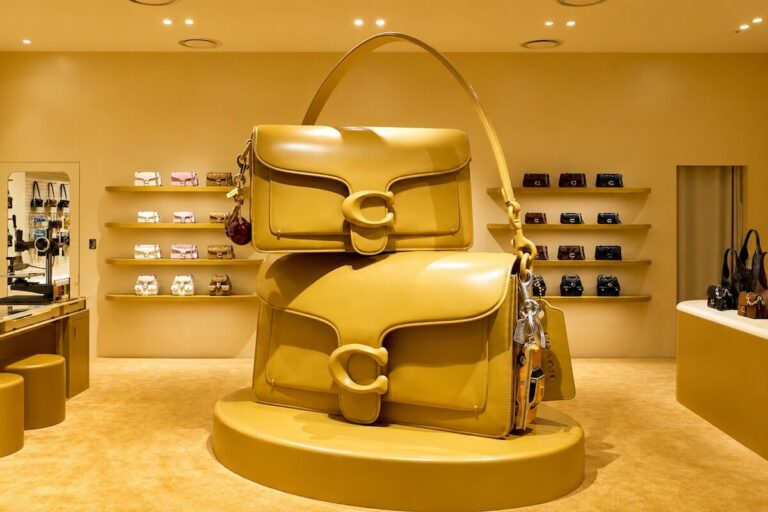
Gross margins and selected profit metrics for Coach, Pop Mart, lululemon, Miniso, Five Below, TJX and Costco, plus where each…

NikeSKIMS, Birkenstock and Starbucks Reserve chose HKRI Taikoo Hui for major China debuts. Why the Shanghai complex keeps winning new…
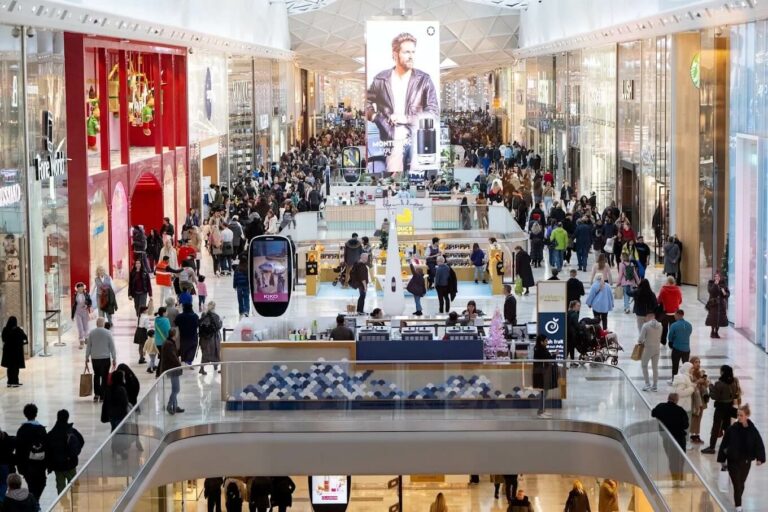
Bluewater opens its first new anchor since 1999. Next takes the former House of Fraser space with about 132,000 square…

Opening in IMAX 70mm on July 17, 2026: Christopher Nolan's The Odyssey. Select shows went on sale one year in…

European retail is scaling AI, agentic commerce and retail media, but consumer trust is becoming the constraint. Four structural shifts…

Mall operators are no longer leasing space for pop-ups. They are selling audience access.
