
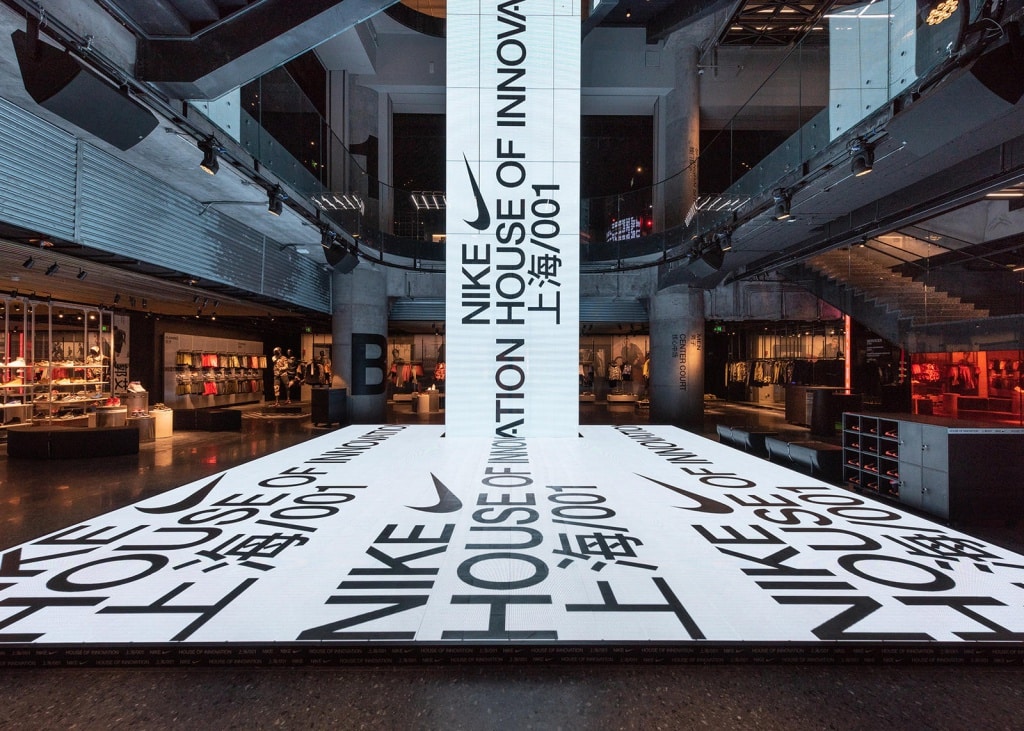
Nike Fit will allow Nike customers to scan their feet using augmented reality technology.
The world-famous American sports brand Nike introduced a new service Nike Fit, which will allow buyers to independently determine the foot size and the appropriate shoe size using a mobile application. The service will be used in test mode at Nike stores in the USA and Canada in July 2019, and from August it will be launched to Europe and to other international markets.
With the help of a smartphone and a mobile application, each customer will receive information about the appropriate size for certain models of sneakers, which can be saved in a profile and used for the next purchases in retail stores.
The development of Nike Fit presented by the sports giant is part of the company’s desire to sell more products directly to consumers through its own stores, an online store, and a mobile application, focusing less on wholesale partners. As part of the global sales strategy, Nike also continues to open flagship stores, such as in New York and in Los Angeles. New retail spaces provide consumers, including the ability to purchase products that are not represented in other stores and online channels.
Nike notes that the new service was created in the company’s desire to help people with the simplest possible solution to a simple question: what size shoes will fit them? Today, there is a problem when customers of the Nike online store order several pairs of shoes at once since the expected sizes do not coincide with the real ones. According to statistics, up to 60% of customers face problems when choosing shoes of the wrong size. Thus, Nike Fit will allow the company to reduce the number of returns in the online store and at the same time encourage its customers to make more purchases online.

European retail is scaling AI, agentic commerce and retail media, but consumer trust is becoming the constraint. Four structural shifts…
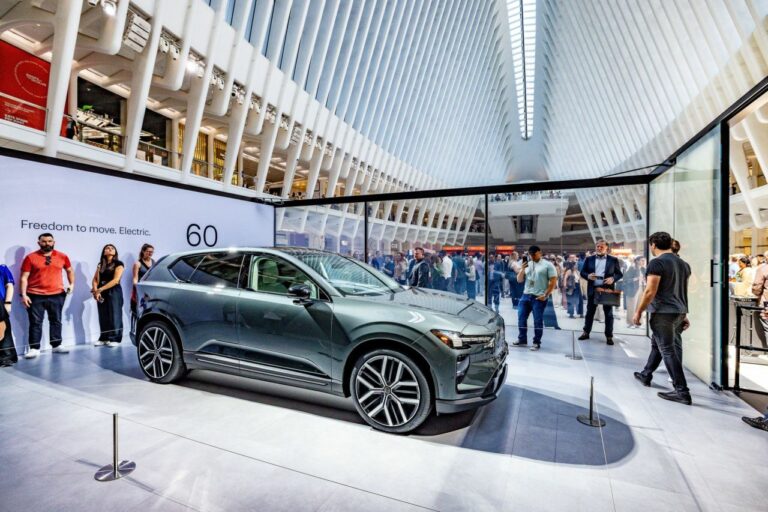
Mall operators are no longer leasing space for pop-ups. They are selling audience access.
Physical stores still drive most retail sales, fulfill online orders, support AI shopping, and help brands return to market.
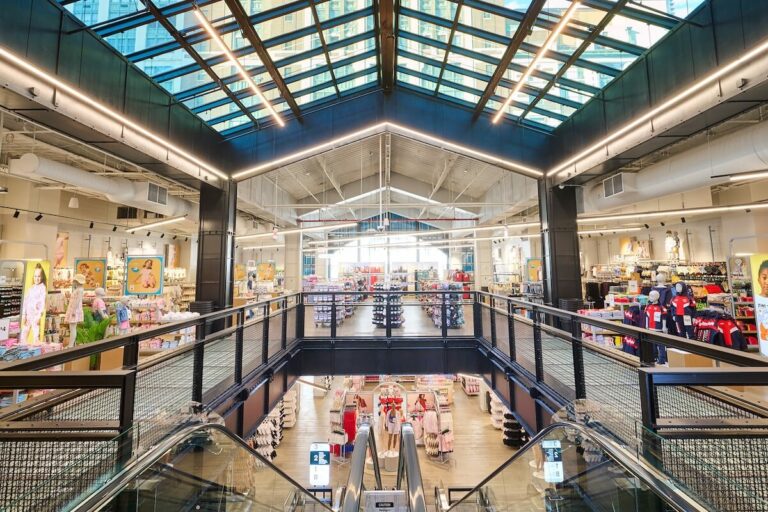
A practical guide to nine mall tenant formats in 2026, from flagships and pop-ups to anchor redevelopment and mixed-use retail.
1,051 of 1,173 US malls hold zero ultra-luxury brands. Half of all Cartier, Chanel, Hermès, and Louis Vuitton mall stores…

Every physical expansion decision starts with the same question: where does the store go?
Verified signals on brand expansion, store openings, and mall development. Free.
Free · No credit card · Unsubscribe any time
