
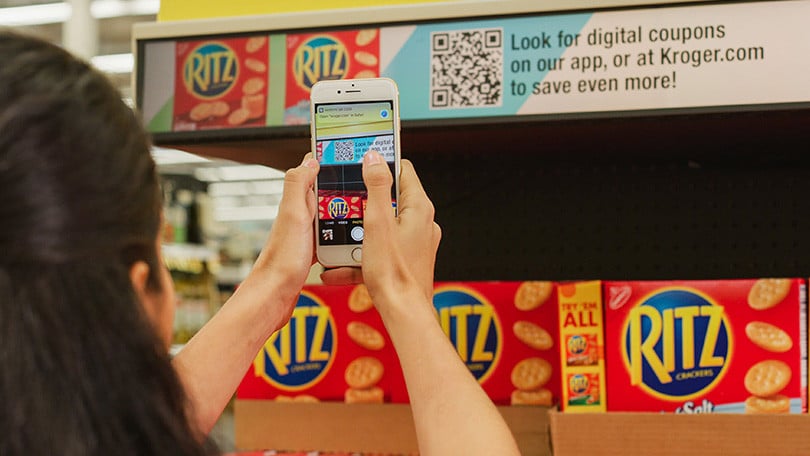
The intelligent system will provide a wide range of opportunities for customers and retail store employees.
Microsoft, together with the American retailer Kroger, announced the launch of a new cloud platform to create digital stores of the future. The basis for the development of the products formed Kroger Technology cloud based on Microsoft Azure. Pilot testing is already being conducted in two stores of the chain; in the future, the companies plan to offer it to other retailers according to the retail-as-service model.
The intelligent system will provide a wide range of opportunities for customers and retail store personnel. It will help fulfill key performance indicators (KPI) and sales plans, improve employee productivity and customer service, optimize inventory and provide personalized customer experience, the press release says.
The cloud platform will include a system of digital price tags, which in addition to prices also display additional information, such as promotions, composition, dietary properties of products. The system also includes the Scan, Bag, Go application for searching and paying for goods in the store using a smartphone; Virtual Store Manager system, which can prompt sellers if trolleys run out at the entrance, as well as the ability to connect to corporate systems, such as POS-terminals, inventory management, product labeling, and sales.
Information on the digital price tags of the EDGE Shelf is updated automatically thanks to sensors of the Internet of Things and artificial intelligence technologies operating in the Microsoft Azure cloud. Thanks to the integration with the Scan, Bag, Go application, the customer can add the shopping list to the application and see the price tag with the desired products in the form of the personal icon he has chosen. Also, this system significantly optimizes the time of employees who collect online orders.

European retail is scaling AI, agentic commerce and retail media, but consumer trust is becoming the constraint. Four structural shifts…
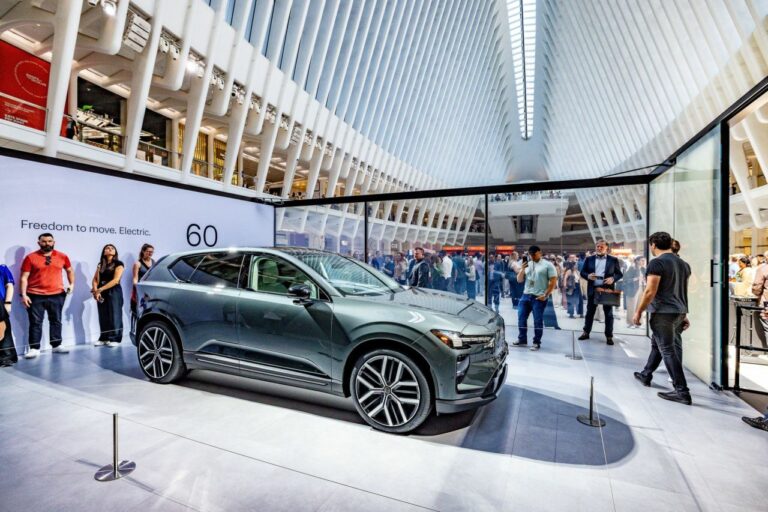
Mall operators are no longer leasing space for pop-ups. They are selling audience access.
Physical stores still drive most retail sales, fulfill online orders, support AI shopping, and help brands return to market.
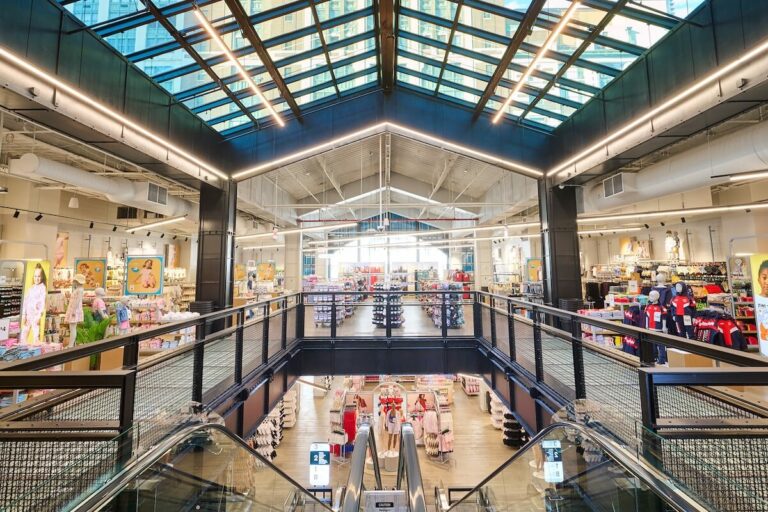
A practical guide to nine mall tenant formats in 2026, from flagships and pop-ups to anchor redevelopment and mixed-use retail.
1,051 of 1,173 US malls hold zero ultra-luxury brands. Half of all Cartier, Chanel, Hermès, and Louis Vuitton mall stores…
Every physical expansion decision starts with the same question: where does the store go?
Verified signals on brand expansion, store openings, and mall development. Free.
Free · No credit card · Unsubscribe any time
