
In recent years, leading fast-food chains have been forced to cut costs due to inflation and declining consumer activity.
The Wallstreet Journal reports that Burger King has reduced the number of discounted items on its regular menu and has reduced portions to boost its margins. In this way, the company hopes to keep more customers than by raising prices on the menu.
Restaurant profits could grow by nearly $500 million a year as a result of menu changes the company is making in the United States. Among the changes:
Domino’s also decided to cut portions in individual dishes and limit bargains to online-only orders, which cost the company less to process amid rising labor costs. For its part, McDonald’s announced earlier this year that it was allowing franchised establishments to sell carbonated drinks at higher prices. Denny’s snack chain has reduced the number of inexpensive meals on its menu due to rising labor costs and higher food prices.
U.S. consumer price growth in December 2021 was 7 percent, the highest since 1982. During that time, restaurant prices rose an average of 6%, a record for nearly forty years. Many players last year had to offset costs by raising prices. In 2022, assuming the inflation rate continues, price increases will continue. According to recent research on the fast-food market, the number of promotional and combo sets has nearly halved over the past five years. Experts note that many players have also begun to reduce the number of good deals for customers amid rising food prices over the past year.

Gross margins and selected profit metrics for Coach, Pop Mart, lululemon, Miniso, Five Below, TJX and Costco, plus where each…
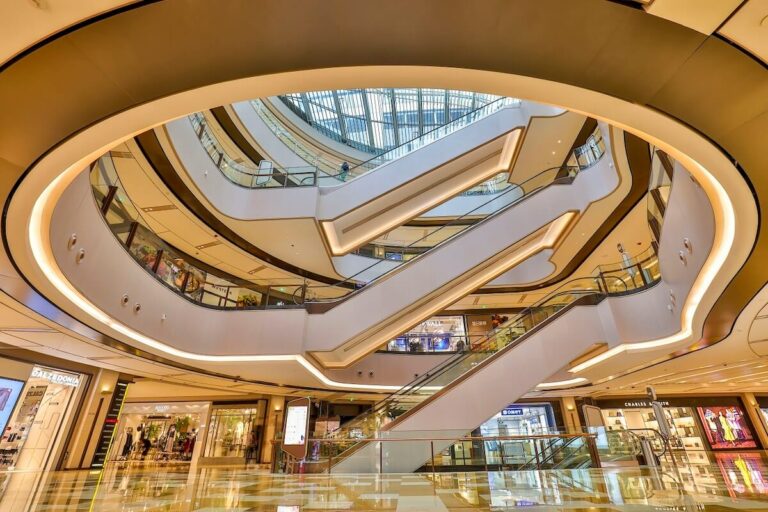
NikeSKIMS, Birkenstock and Starbucks Reserve chose HKRI Taikoo Hui for major China debuts. Why the Shanghai complex keeps winning new…
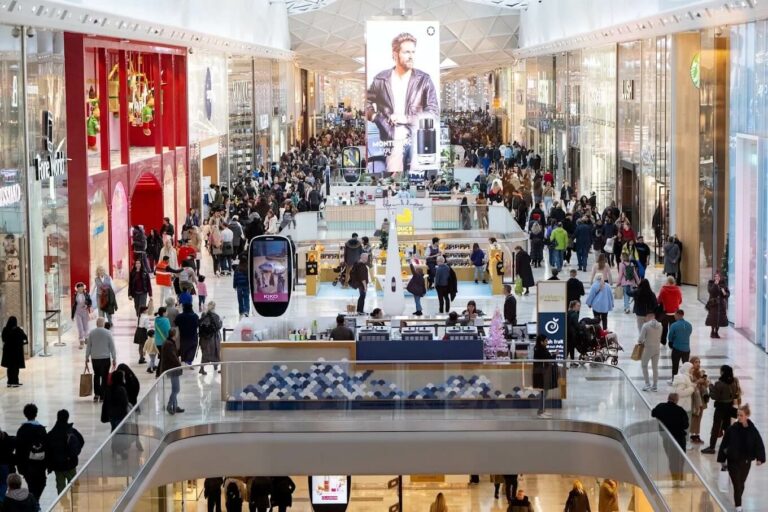
Bluewater opens its first new anchor since 1999. Next takes the former House of Fraser space with about 132,000 square…

Opening in IMAX 70mm on July 17, 2026: Christopher Nolan's The Odyssey. Select shows went on sale one year in…

European retail is scaling AI, agentic commerce and retail media, but consumer trust is becoming the constraint. Four structural shifts…

Mall operators are no longer leasing space for pop-ups. They are selling audience access.
