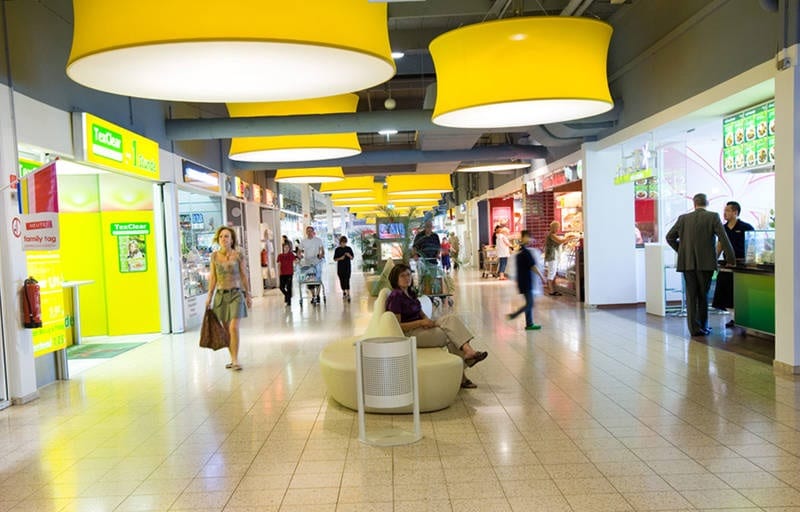
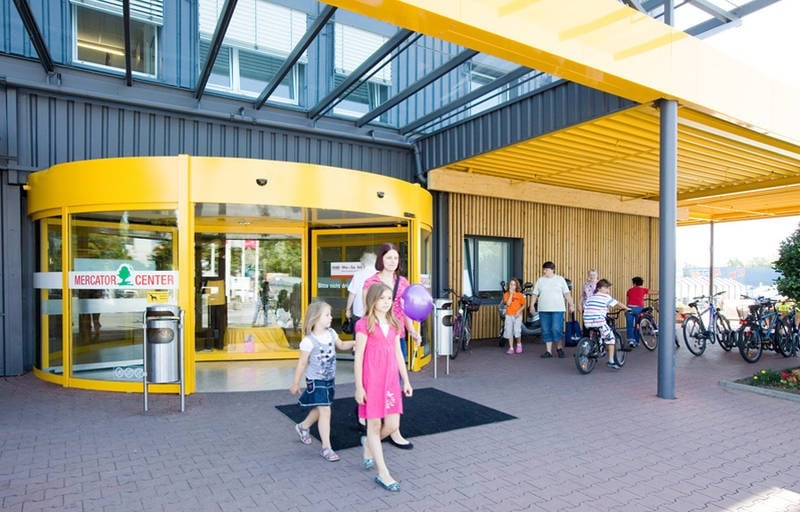
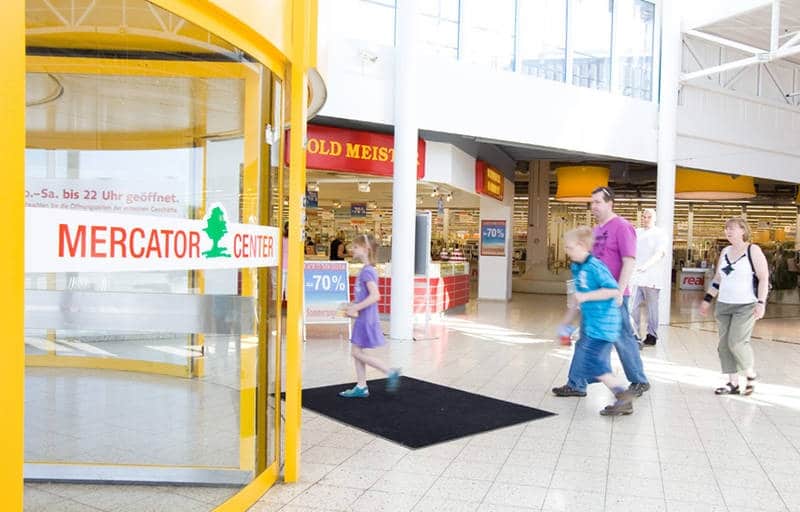
Mercator Center is an enclosed retail complex in Duisburg’s city centre named after the Flemish cartographer Gerhard Mercator, who worked in Duisburg from 1552 until his death in 1594, serving the Ruhr’s western port city and its approximately 490,000 residents as a city-centre retail destination. The centre complements Forum Duisburg in Duisburg’s city-centre commercial circuit.
Duisburg’s naming of the Mercator Center after the cartographer who perfected the Mercator map projection (still used in navigation today) reflects the city’s effort to reclaim an intellectual heritage that survived the industrial era’s transformation of Duisburg into Europe’s largest inland port. The centre provides retail capacity for Duisburg’s city-centre commercial circuit alongside Forum Duisburg (2008), together anchoring the pedestrianised Königstraße retail spine. Duisburg’s position at the Rhine-Ruhr waterway network junction — where the Rhine meets the Rhine-Herne Canal and the Ruhr river system — creates the logistical geography that established the city as Europe’s largest inland port, a function that continues to shape the city’s economic character despite the decline of heavy steel production. Mainstream fashion and service retail serve Duisburg’s diverse working-class and immigrant-origin population.
Duisburg’s population of approximately 490,000 provides the immediate base. The Rhine-Ruhr metropolitan area accessibility via S-Bahn extends the catchment. Duisburg Hauptbahnhof provides regional rail connections to Düsseldorf in approximately 15 minutes and to Essen. The Rhine river and canal port infrastructure creates a logistics-sector employment catchment distinct from purely residential retail markets.
Mercator Center serves Duisburg’s city-centre retail function within the western Ruhr’s most significant port city, a commercial role that sits within a broader Duisburg regeneration narrative where post-industrial cultural repositioning — through the Mercator name, the Museum MKM, and the Duisburg-Nord Landscape Park — provides commercial context for retail investment in a city whose industrial legacy is simultaneously its historical identity and its contemporary transformation challenge.