
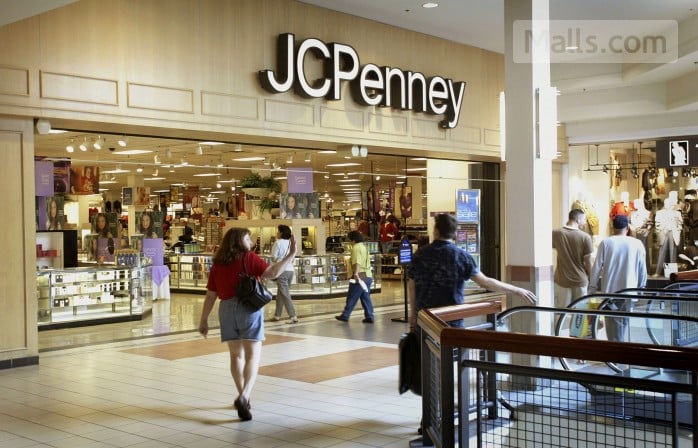
A network of department stores with a century-long history has a chance of avoiding bankruptcy and surviving a pandemic.
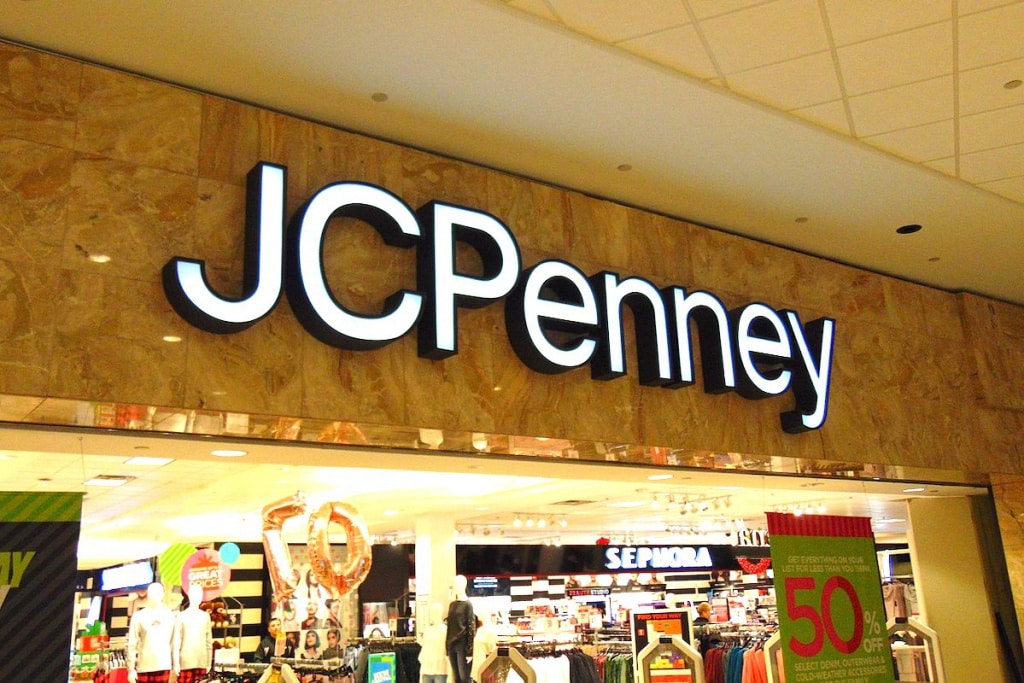
As it became known during the bankruptcy hearings of the American chain of department stores J.C. Penney, the company concluded a preliminary deal to sell its business. Buyers will be the largest landlords of department stores, owners of shopping centers Simon Property Group Inc. and Brookfield Property Partners LP, and some other landlords.
Such a step was expected by many market experts, who say it is shopping centers that are most interested in keeping J.C. Penney afloat. Even large malls are experiencing an outflow of retail brands due to the pandemic’s consequences. The closure of department stores may be the last thing on their minds.
Thus, the networks’ financial situation, which is already quite precarious, has been further aggravated by the pandemic and the possibility of avoiding liquidation. According to preliminary data, the deal’s amount, which the parties agreed on, will be $800 million. At the same time, we are talking about the transfer of debt obligations of J.C. Penney to buyers in the amount of about $500 million and investments of $300 million.
Under Chapter 11 of the U.S. Bankruptcy Code, J.C. Penney applied for bankruptcy back in May 2020. And suppose the courts approve the transaction. In that case, the company will avoid closing hundreds of department stores in shopping centers and other locations across the country. It plans to preserve about 600 department stores, while more than 200 locations will still be closed.

European retail is scaling AI, agentic commerce and retail media, but consumer trust is becoming the constraint. Four structural shifts…
Mall operators are no longer leasing space for pop-ups. They are selling audience access.
Physical stores still drive most retail sales, fulfill online orders, support AI shopping, and help brands return to market.
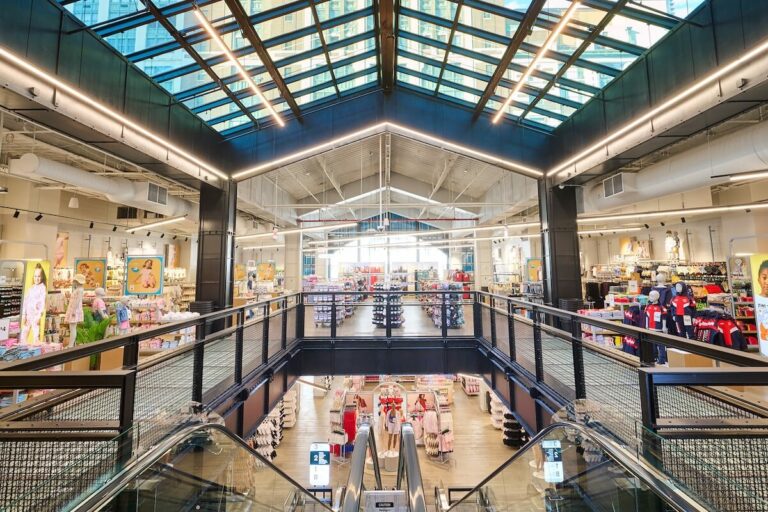
A practical guide to nine mall tenant formats in 2026, from flagships and pop-ups to anchor redevelopment and mixed-use retail.
1,051 of 1,173 US malls hold zero ultra-luxury brands. Half of all Cartier, Chanel, Hermès, and Louis Vuitton mall stores…
Every physical expansion decision starts with the same question: where does the store go?
Verified signals on brand expansion, store openings, and mall development. Free.
Free · No credit card · Unsubscribe any time
Billed annually · View full comparison · Payment via invoice or PayPal
