
The annual list of the Top 100 Retailers released and industry giant Walmart took down the top spot by a wide margin.
Stores Magazine has released it’s annual list of the Top 100 Retailers, and some industry experts have weighed in with some keen insights that can help all retailers climb the charts. As you would expect, industry giant Walmart took down the top spot by a wide margin. Kroger, Costco, Home Depot and CVS round out the Top 5.
While e-commerce continues to achieve astronomical growth, there’s still plenty of room for brick and mortar retailers – as long as they continue to adapt to consumer preferences.
“The important thing to remember with e-commerce is that it is a tool to help shoppers do things more conveniently in more places than before,” noted one expert. “Retailers with physical locations that play an important role in the decision to buy must hold on to their physical real estate but make it work differently to acknowledge that shoppers will probably have a complete information [and]more options.”
Rounding out the Top 10 are Walgreens, Amazon, Target, Lowe’s and Albertson’s. McDonald’s is the first restaurant on the list at number 12, while tech giant Apple checks in at number 13. For Apple, their lofty ranking is due to the inclusion of iTunes sales in the company’s total retail numbers.
The full list of Top 100 retailers.
“Companies should be in the business of creating the future and not simply responding to what pundits and polls think their customers are looking for,” notes Mohamed Amer, global head of strategic communications for consumer industries with SAP. “Without experimenting and probing, you can never discover the hidden potential in any market.”
Julie Bernard, chief marketing officer at marketing platform Verve Mobile also notes the benefits of enhancing online platforms as a complement to physical locations. Beyond just making things more convenient for shoppers, it’s turning into a must-have option for younger generations of consumers.
“We know from recent data that the in-store experience is fusing with the mobile experience and that shoppers, particularly Millennials and Generation Z consumers, consider their bricks-and-mortar engagements to be just as powerfully social and multi channel as any other part of their on-screen day-to-day lives,” she said.
Looking ahead to the future, Walmart and Amazon will grow even larger with their spate of recent acquisitions, but there’s still plenty of market share to be divvied up among other retailers. Hot names such as TJX Companies, Aldi and Dollar General have cracked the Top 20, and all three retailers are resonating with today’s price conscious consumers.
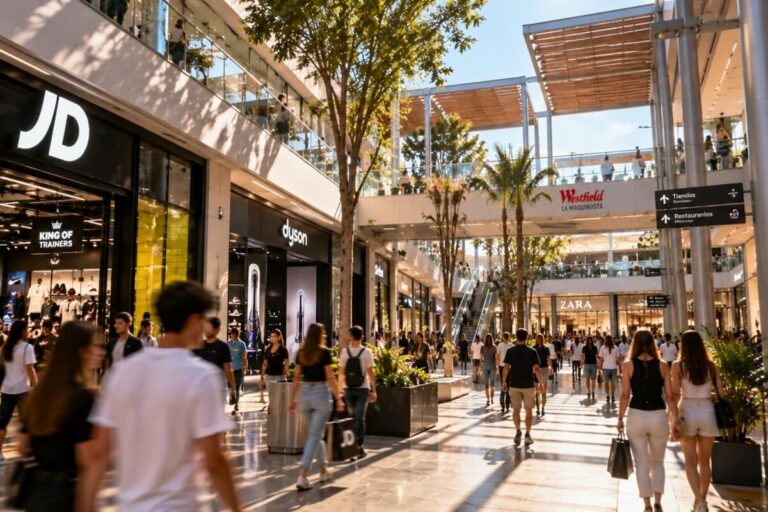
The vendors and deployments behind shopping advice, store navigation and retail operations, with a closer look at what it takes…
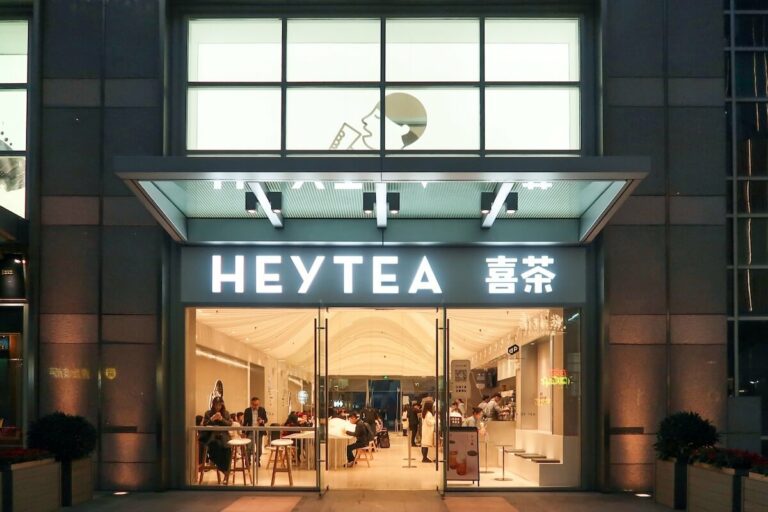
Miss A, Rowan and HEYTEA are on US mall opening lists in fall 2026. Their public records show what each…
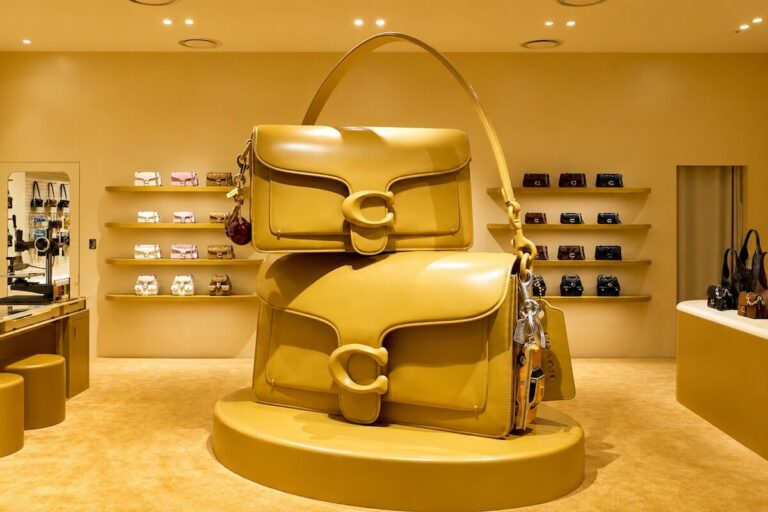
Gross margins and selected profit metrics for Coach, Pop Mart, lululemon, Miniso, Five Below, TJX and Costco, plus where each…
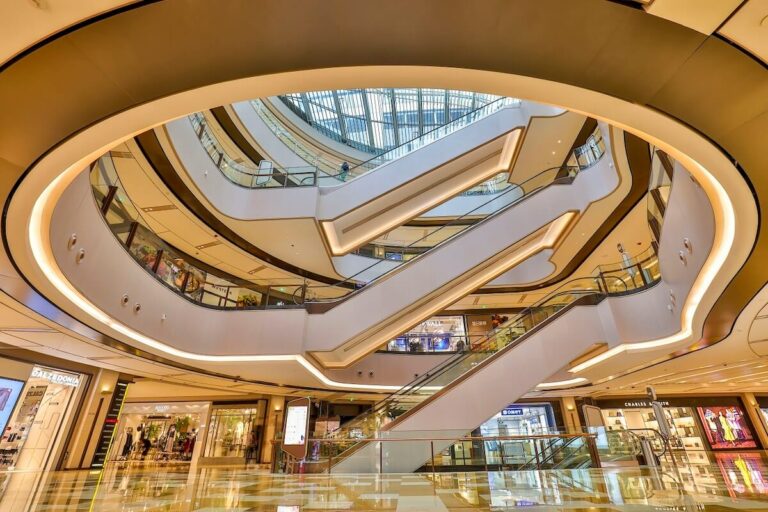
NikeSKIMS, Birkenstock and Starbucks Reserve chose HKRI Taikoo Hui for major China debuts. Why the Shanghai complex keeps winning new…
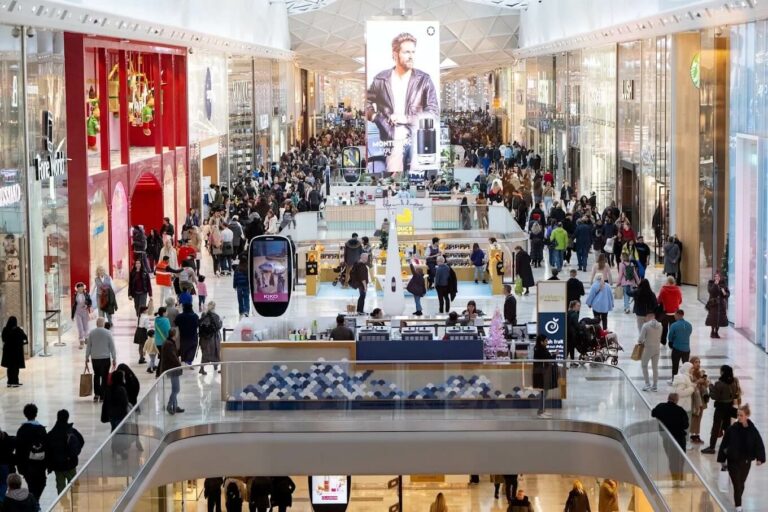
Bluewater opens its first new anchor since 1999. Next takes the former House of Fraser space with about 132,000 square…

Opening in IMAX 70mm on July 17, 2026: Christopher Nolan's The Odyssey. Select shows went on sale one year in…
