
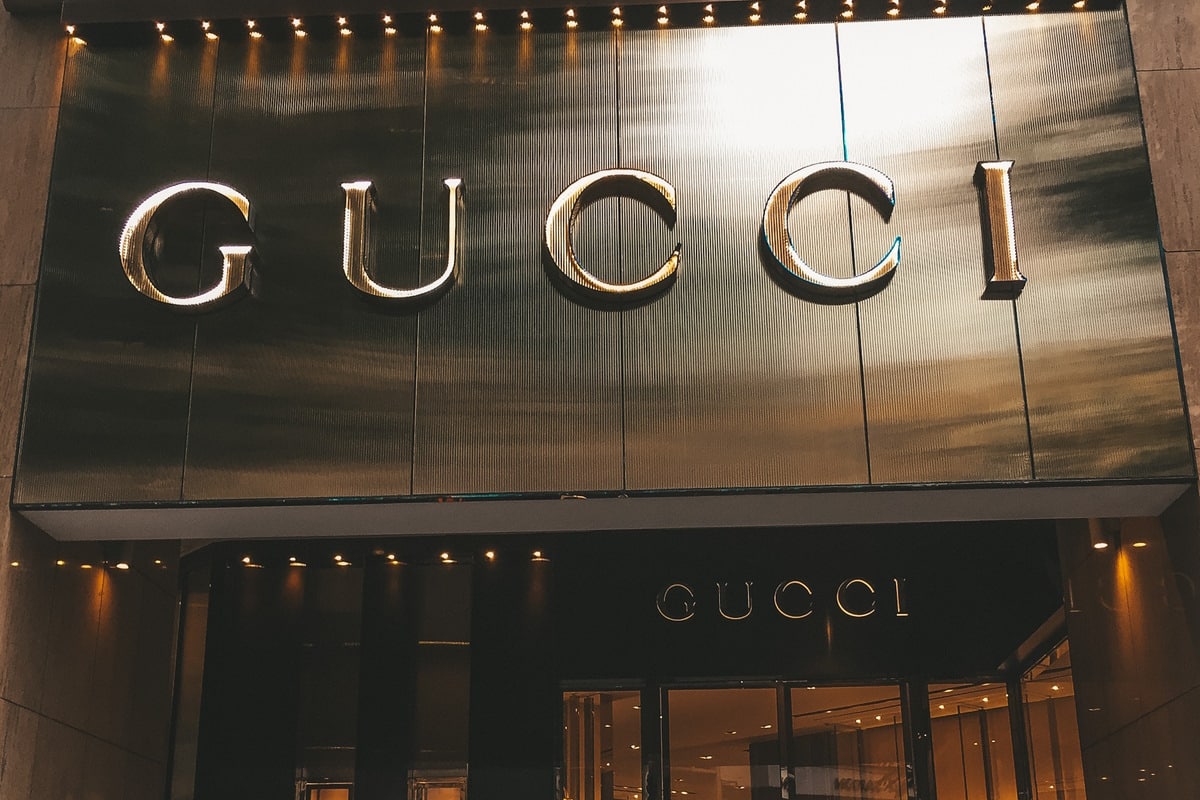
This joint collaboration highlights the Italian luxury brand’s first-of-its-kind merger with a Chinese online retailer.
Gucci and JD.com announced the beginning of their digital partnership and the launch of an official store on the JD.com e-commerce platform. This joint collaboration highlights the Italian luxury brand’s first-of-its-kind merger with a leading online retailer.
Users of the JD.com app can now easily find and visit the official Gucci store by simply entering the appropriate query. Inside the store, a wide range of products is available, including timeless bestsellers and novelties in apparel, footwear, accessories and jewelry for both genders. In addition, shoppers can take advantage of convenient online consultations and receive detailed information about Gucci products before purchasing.
The collaboration between Gucci and JD.com underscores the mutual commitment to innovation in digital commerce. The move reflects the continuous evolution of JD.com’s digital ecosystem and its ability to provide cutting-edge digital solutions for various market needs. The partnership also demonstrates Gucci’s adaptation to modern requirements and provides new standards for online luxury shopping.
The Gucci store on JD.com represents an important step in developing this partnership. It allows customers to access exclusive Gucci products on one of the leading e-commerce platforms in China.
JD.com, or Jingdong or JD, is one of China’s largest and most prominent e-commerce platforms. Founded in 1998 by Richard Liu Qiangdong, JD.com started as a brick-and-mortar retail store before transitioning into an online platform in 2004. It has since become a major player in the Chinese e-commerce market, offering consumers a wide range of products and services across China and beyond.
European retail is scaling AI, agentic commerce and retail media, but consumer trust is becoming the constraint. Four structural shifts…
Mall operators are no longer leasing space for pop-ups. They are selling audience access.
Physical stores still drive most retail sales, fulfill online orders, support AI shopping, and help brands return to market.
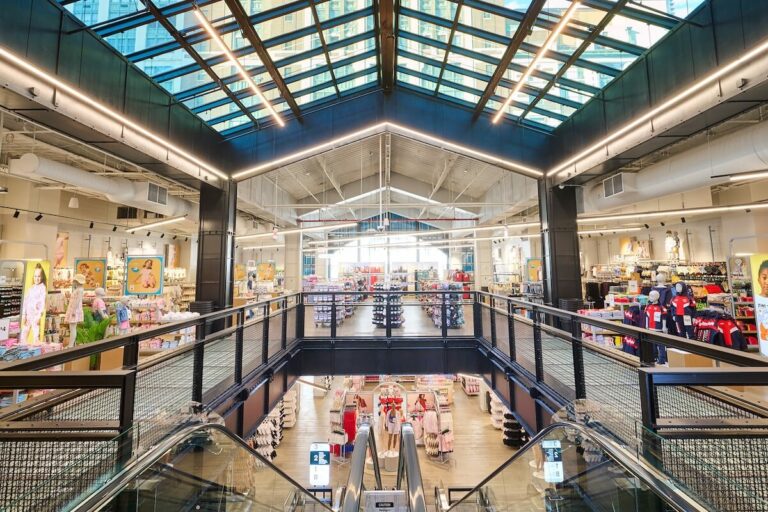
A practical guide to nine mall tenant formats in 2026, from flagships and pop-ups to anchor redevelopment and mixed-use retail.
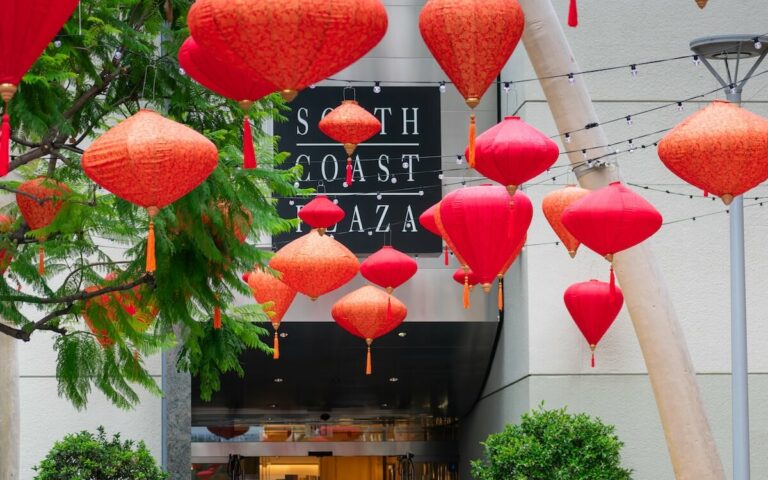
1,051 of 1,173 US malls hold zero ultra-luxury brands. Half of all Cartier, Chanel, Hermès, and Louis Vuitton mall stores…
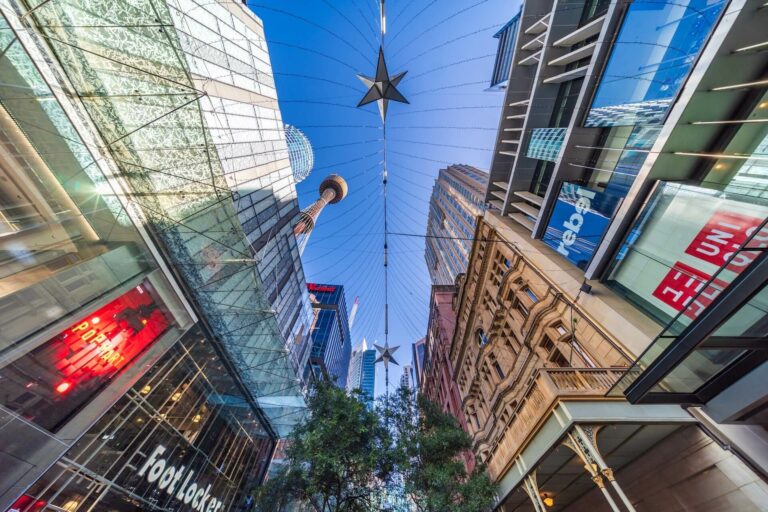
Every physical expansion decision starts with the same question: where does the store go?
Verified signals on brand expansion, store openings, and mall development. Free.
Free · No credit card · Unsubscribe any time
