
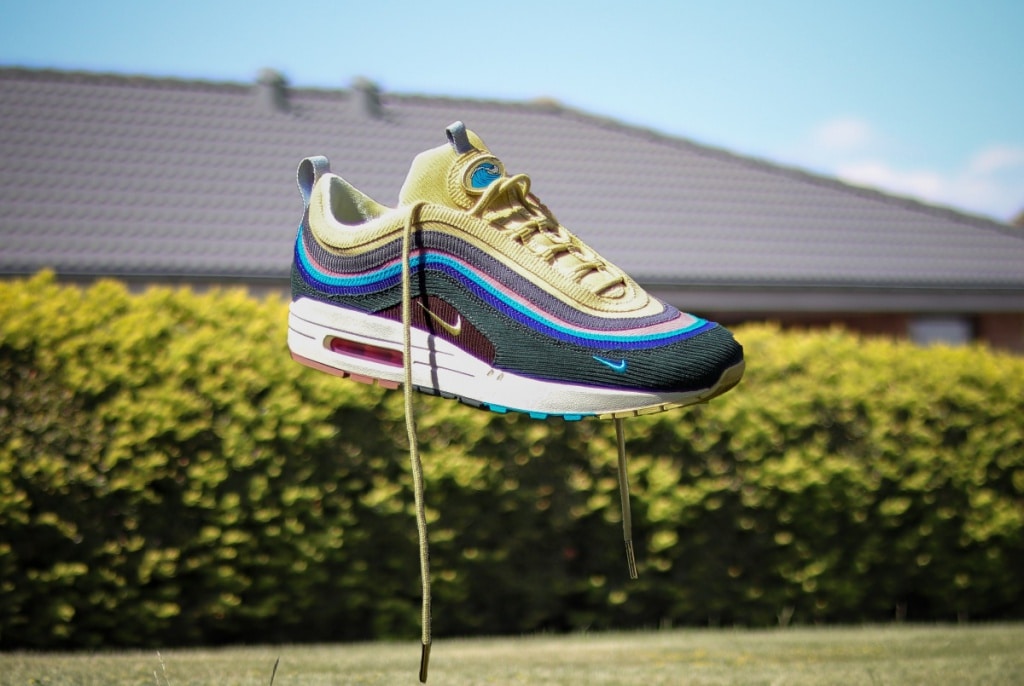
Nike, Adidas, Hasbro, and Costco expect delays in shipments to global markets.
Nike, the largest producer of athletic footwear, warned of the risk of shortages of products amid the crisis and restrictions worldwide. The company has pointed out that deliveries may arise from the temporary closure of factories in Indonesia and Vietnam, writes the BBC.
“We are not immune to global fluctuations in the supply chain, which interferes with production and delivery of products around the world,” commented chief financial officer Matthew Friend.
It is noted that the delivery time for products from Asia to North America has doubled, from 40 days to 80 days. In addition, Nike has faced difficulties in shipping goods to the U.S., Canada, Europe, the Middle East, and Africa because of “port and rail congestion and lack of workforce.
Costco has also expressed concern about the possibility of shortages of products due to the crisis in global markets. The retailer has chartered three of its ocean liners to shipping goods between Asia and North America in 2022. At the same time, the company is struggling to find trucks, drivers, and shipping containers to deliver goods to its stores.
“Factors putting pressure on supply chains and inflation include port delays, container shortages, outages, shortages of various components, raw materials and ingredients, and labor cost pressures, truck and driver shortages,” said Costco CFO Richard Galanti.
The U.S. market is already experiencing shortages of children’s toys, wood products, clothing, and pet food, leading to higher consumer prices. Adidas and Hasbro have already warned of possible supply delays. Last week, a record number of ships – more than seventy – lined up near Long Beach and Los Angeles ports, although there is no more than one-liner at the pier at regular times.

Gross margins and selected profit metrics for Coach, Pop Mart, lululemon, Miniso, Five Below, TJX and Costco, plus where each…
NikeSKIMS, Birkenstock and Starbucks Reserve chose HKRI Taikoo Hui for major China debuts. Why the Shanghai complex keeps winning new…
Bluewater opens its first new anchor since 1999. Next takes the former House of Fraser space with about 132,000 square…
Opening in IMAX 70mm on July 17, 2026: Christopher Nolan's The Odyssey. Select shows went on sale one year in…

European retail is scaling AI, agentic commerce and retail media, but consumer trust is becoming the constraint. Four structural shifts…

Mall operators are no longer leasing space for pop-ups. They are selling audience access.
