
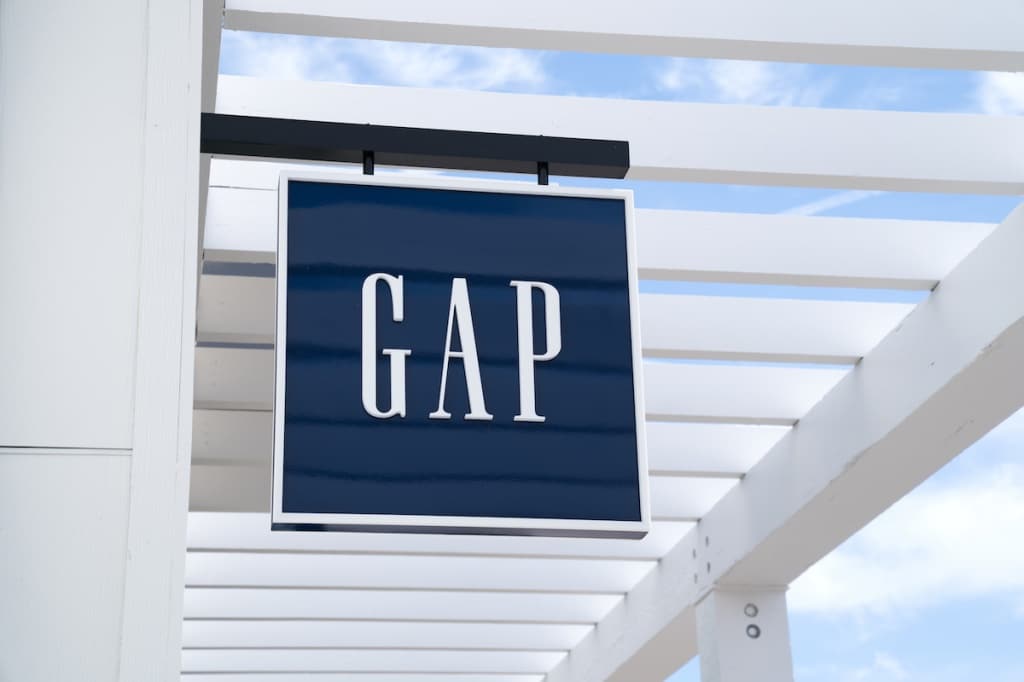
Gap Inc. posted a net loss of $152 million for the third fiscal quarter of 2021.
Shares of U.S. fashion retailer Gap Inc. or Gap were down more than 15 percent at the premarket amid reports of a cut in the company’s 2021 sales forecast. Gap also reported a third quarter, and the results came in below analysts’ and investors’ forecasts.
“While we entered the third quarter with growing momentum, serious supply chain issues impacted our ability to meet strong customer demand fully,” commented Gap CEO Sonja Singal.
The company said increased airfreight costs drove the additional costs amid a general logistical crisis. Gap forecasts that this will harm profit in the short term.
Gap posted a net loss of $152 million (40 cents per share) for the third fiscal quarter of 2021, compared to a profit of $95 million for the same period last year. Revenue for the quarter decreased from $3.99 billion to $3.94 billion, though analysts expected it to reach $4.44 billion.
The company said the supply situation continues to be unstable amid factory closings in Vietnam. At the end of the third quarter of 2021, Gap inventories were down 1%. The company predicts that revenue growth at year-end will be 20% instead of the previously announced 30%. Because of supply constraints, the company could lose about $550 million to $650 million.
At the end of the third quarter, comparable-store sales at Gap stores were up 7% from a year ago and 3% from 2019. The company said the ongoing store closures helped the brand show healthier growth. At the company-controlled Banana Republic chain, comparable sales were up 28% but were 10% below the 2019 levels.
NikeSKIMS, Birkenstock and Starbucks Reserve chose HKRI Taikoo Hui for major China debuts. Why the Shanghai complex keeps winning new…
Bluewater opens its first new anchor since 1999. Next takes the former House of Fraser space with about 132,000 square…

Opening in IMAX 70mm on July 17, 2026: Christopher Nolan's The Odyssey. Select shows went on sale one year in…

European retail is scaling AI, agentic commerce and retail media, but consumer trust is becoming the constraint. Four structural shifts…
Mall operators are no longer leasing space for pop-ups. They are selling audience access.
Physical stores still drive most retail sales, fulfill online orders, support AI shopping, and help brands return to market.
