
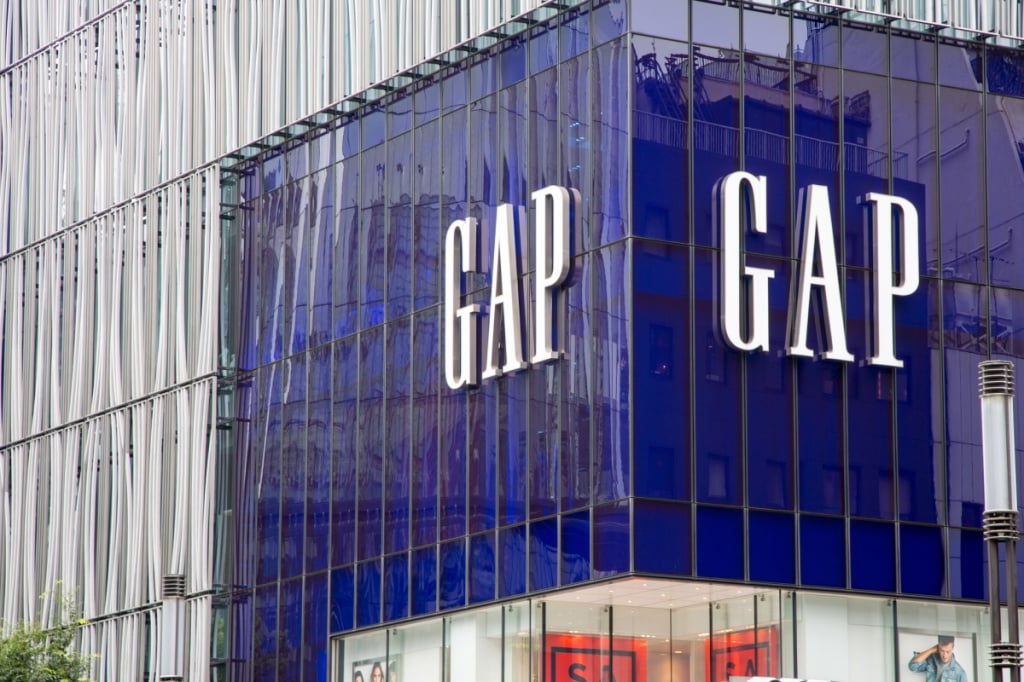
By cutting 1,800 employees, the company expects to save up to $300 million a year.
One of America’s leading fashion retailers, Gap, announced its decision to cut 1,800 employees to cut operating costs on a massive scale. The intention to downsize was announced in September 2022. However, the cuts were expected to affect no more than 500 to 600 employees.
According to the company’s press service, the cuts will occur at Gap headquarters and among the management staff outside the headquarters. In addition, managers of regional store brands under the company’s control will also be affected by the cuts.
Gap will return to profitability on the back of significant revenue declines. By cutting 1,800 employees, the company expects to save up to $300 million a year. The wave of layoffs will be completed by August 2023.
“We are taking the necessary actions to reshape Gap Inc. for the future – simplifying and optimizing our operating model, elevating creativity, and driving better delivery in every dimension of the customer experience,” CEO Bob Martin said.
The changes, he said, include sequential brand leadership structures announced last month aimed at aligning “organizational structure to improve quality and speed of decision-making and reduce overhead costs.
Following the cuts, the company expects to see “freed up untapped potential” across all brands – Gap, Old Navy, Banana Republic and Athleta. According to expert estimates, the company must pay about $100 million to $120 million for the new wave of cuts. According to data at the beginning of 2023, the staff of Gap had 95 thousand employees, more than 80% of which accounted for employees of retail outlets.

European retail is scaling AI, agentic commerce and retail media, but consumer trust is becoming the constraint. Four structural shifts…
Mall operators are no longer leasing space for pop-ups. They are selling audience access.
Physical stores still drive most retail sales, fulfill online orders, support AI shopping, and help brands return to market.
A practical guide to nine mall tenant formats in 2026, from flagships and pop-ups to anchor redevelopment and mixed-use retail.
1,051 of 1,173 US malls hold zero ultra-luxury brands. Half of all Cartier, Chanel, Hermès, and Louis Vuitton mall stores…
Every physical expansion decision starts with the same question: where does the store go?
Verified signals on brand expansion, store openings, and mall development. Free.
Free · No credit card · Unsubscribe any time
