
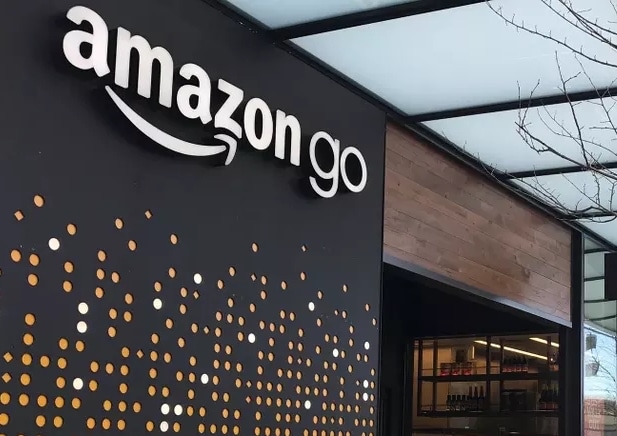
A new step in implementing Amazon Go technology was the opening of Amazon Go Grocery, a full-sized grocery store in Seattle.
Testing of the technology, which involves the absence of cashiers and automatic payment for selected products, the company has been running since 2015. The first Amazon Go grocery store was opened for regular visitors in 2018. And today, there are about 20 such outlets in the United States.
Now Amazon has shown that its plans in the development of physical stores are incredibly ambitious. After all, the new Amazon Go Grocery in Seattle, which opens on February 25, offers customers not just a limited set of products, but a full range of large grocery supermarkets. The shopping area of the new store will be about 10,400 square feet (1000 sq.m). It is a big step for the company because all previously open stores had an area fall between 1,200 and 2,300 square feet (100-200 sq.m).
The store will differ little from the usual grocery supermarkets of most popular chains. The same rows of products and carts for their transportation. But it’s only on the outside. But shopping technology will be very unusual for most ordinary customers. To enter the store, you will need to use an application on your smartphone. To pay, the buyer will not need to stand in line and talk to the cashier. It will be enough to leave the store, and the payment will occur automatically.
On the shelves of Amazon Go grocery will appear both ordinary inexpensive products, which can be purchased in the store near the house and products under the brand name 365 Whole Foods. This company, owned by Amazon, will supply the new store with meat, seafood, local organic products, and other delicacies of the premium segment. Shoppers will also be able to buy fresh baked goods, ready-made snacks, and even alcohol (you will still have to show your ID card to the shop worker).
The company states that it has tested various non-standard incidents that may occur in the grocery store and is ready for them. These are situations where customers may mix up and mix up nearby fruits or vegetables or put together several buns or other unpackaged baked goods in one bag. Technologies that combine camera and sensor systems can help to identify such situations and, in any case, correctly calculate the purchase price.
The company didn’t announce its plans to open other stores in this concept. But if Amazon Go Grocery is successful, we can expect their soon appearance and a significant strengthening of Amazon in the market of conventional physical stores.
European retail is scaling AI, agentic commerce and retail media, but consumer trust is becoming the constraint. Four structural shifts…
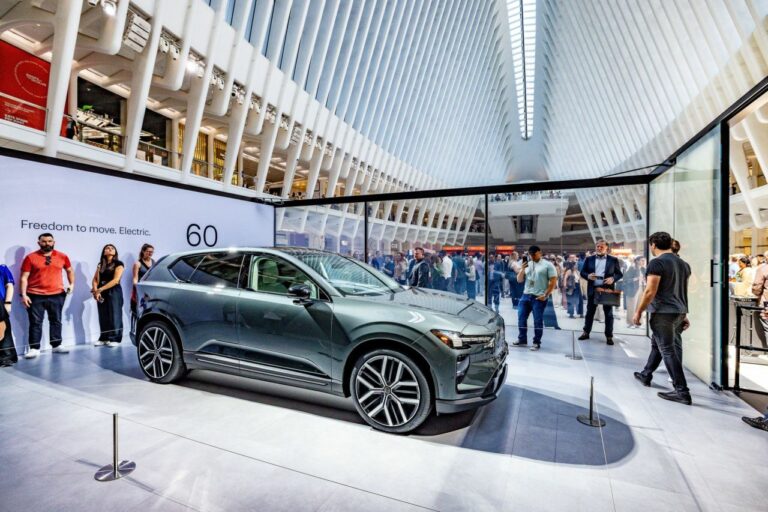
Mall operators are no longer leasing space for pop-ups. They are selling audience access.
Physical stores still drive most retail sales, fulfill online orders, support AI shopping, and help brands return to market.
A practical guide to nine mall tenant formats in 2026, from flagships and pop-ups to anchor redevelopment and mixed-use retail.
1,051 of 1,173 US malls hold zero ultra-luxury brands. Half of all Cartier, Chanel, Hermès, and Louis Vuitton mall stores…
Every physical expansion decision starts with the same question: where does the store go?
Verified signals on brand expansion, store openings, and mall development. Free.
Free · No credit card · Unsubscribe any time
