
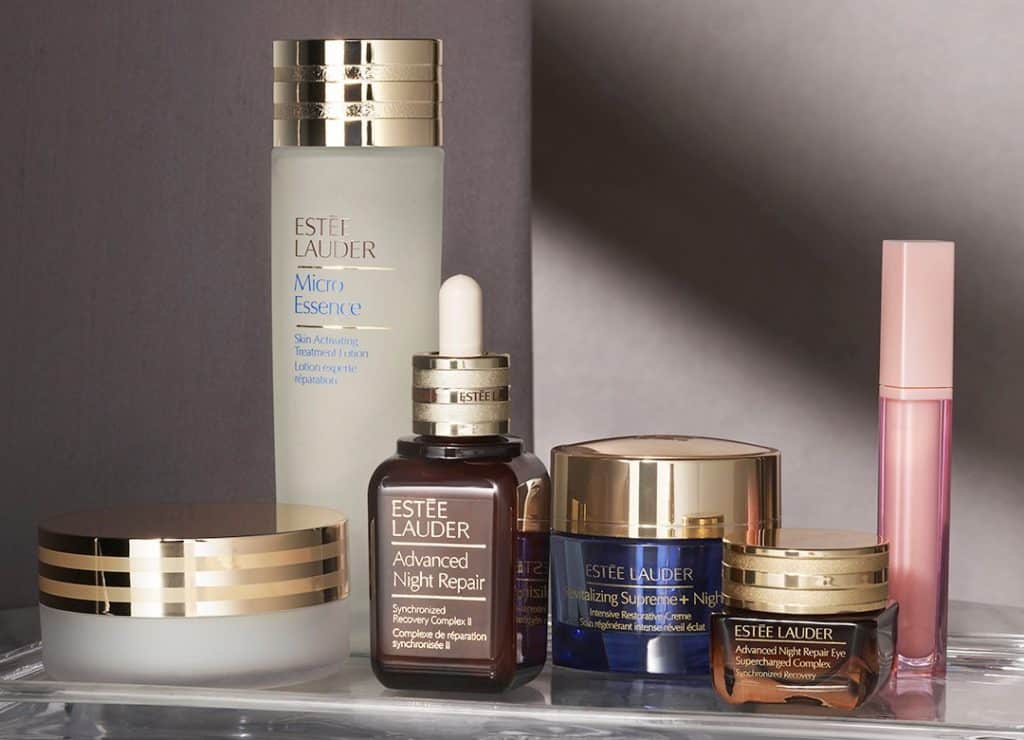
An American cosmetics manufacturer has developed a two-year post-pandemic recovery plan that includes store closures and online development.
Estee Lauder announced the creation of the “Business Acceleration Program,” which includes a series of steps to overcome the crisis caused by the pandemic. In particular, it was announced that the program would close from 10% to 15% of Estée Lauder stores. Most of the stores, which will be closed shortly, are located in North America and Europe. It is also reported that the retailer will reduce about 3% of its workforce worldwide, which is approximately 1500-2000 jobs.
In addition to freestanding stores, the operation of retail outlets in large department stores will also be reviewed and revised. The least productive of these stores will be closed. It is assumed that in this way it will be possible to achieve annual savings of 300 to 400 million dollars. Savings from store closures will be redirected towards strengthening the brand’s online presence and a variety of digital initiatives.
Restructuring physical stores and increasing investments in online sales will be a priority for the company over the next few years. The reorientation of efforts to the online environment reflects the company’s desire to respond to changing customer behavior.
The pandemic has seen a sharp increase in online sales, with the company reporting a 70 percent jump in sales in the second quarter in North America. However, online sales account for about 60 percent of total sales. Not only is the way we shop changing significantly, but also the way we value and motivate our customers and how we interact with our brands.

European retail is scaling AI, agentic commerce and retail media, but consumer trust is becoming the constraint. Four structural shifts…
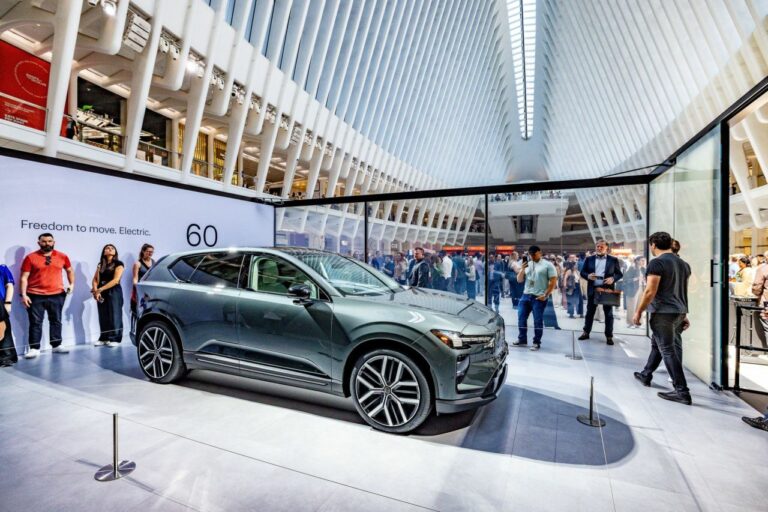
Mall operators are no longer leasing space for pop-ups. They are selling audience access.
Physical stores still drive most retail sales, fulfill online orders, support AI shopping, and help brands return to market.
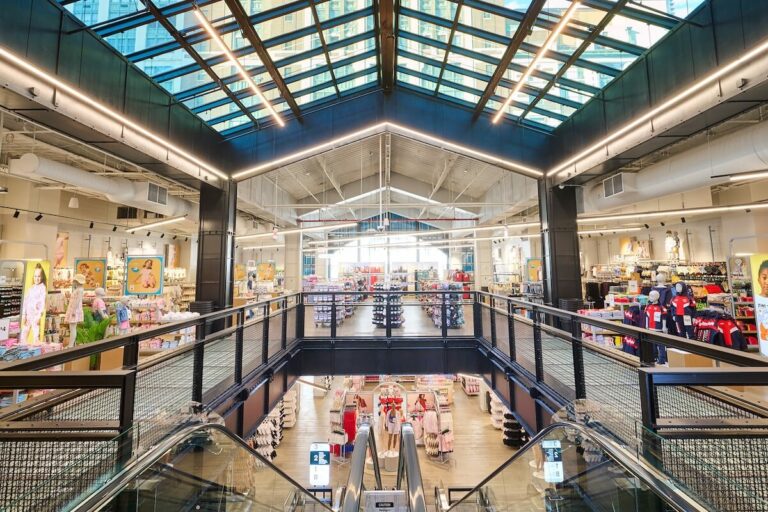
A practical guide to nine mall tenant formats in 2026, from flagships and pop-ups to anchor redevelopment and mixed-use retail.
1,051 of 1,173 US malls hold zero ultra-luxury brands. Half of all Cartier, Chanel, Hermès, and Louis Vuitton mall stores…
Every physical expansion decision starts with the same question: where does the store go?
Verified signals on brand expansion, store openings, and mall development. Free.
Free · No credit card · Unsubscribe any time
