

German perfume and cosmetics retailer Douglas is doubling down on the European premium beauty market.
German perfume and cosmetics retailer Douglas is doubling down on the European premium beauty market, a strategy that has fueled its growth despite broader industry challenges. On August 14, Douglas reported an increase in earnings for its fiscal third quarter, bolstering its confidence in this market segment. Growth amid market challenges Douglas, one of Europe’s leading perfume and cosmetics retailers, is leveraging its premium beauty segment to drive expansion across the region. This focus has led the company to revise its annual sales outlook upwards, reflecting strong performance in the sector. In line with its strategic shift, Douglas recently sold its online pharmacy, Disapo, which had struggled to generate significant profits. The sale allows the company to concentrate on its core beauty business, which spans 1,860 stores and a thriving e-commerce platform. Financial highlights and stock performance Despite the positive earnings trend, Douglas reported a net loss of 71.6 million euros ($78.7 million) for the quarter, more than double the loss from the previous year. This was largely due to the company using cash to reduce debt following its initial public offering (IPO) in April. The IPO itself was less than stellar, with shares dropping 12% below the issue price amid waning investor confidence in the luxury retail sector. Since the IPO, Douglas’ stock has continued to decline, trading 30% below the IPO price as of the latest close. However, analysts from Deutsche Bank argue that this decline is unjustified, citing the company’s strong fundamentals. Despite these setbacks, Douglas saw its adjusted earnings before interest, tax, depreciation, and amortization (EBITDA) rise by 5.6% to 162.9 million euros in the third quarter, up from 154.3 million euros a year earlier.

European retail is scaling AI, agentic commerce and retail media, but consumer trust is becoming the constraint. Four structural shifts…

Mall operators are no longer leasing space for pop-ups. They are selling audience access.
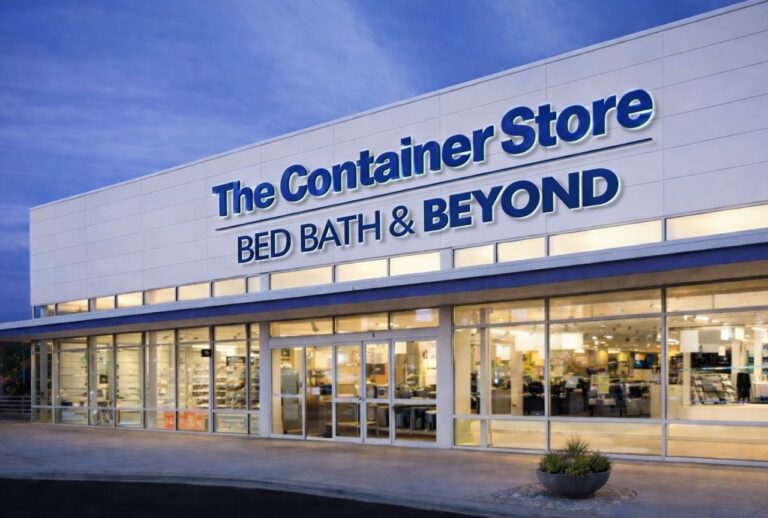
Physical stores still drive most retail sales, fulfill online orders, support AI shopping, and help brands return to market.
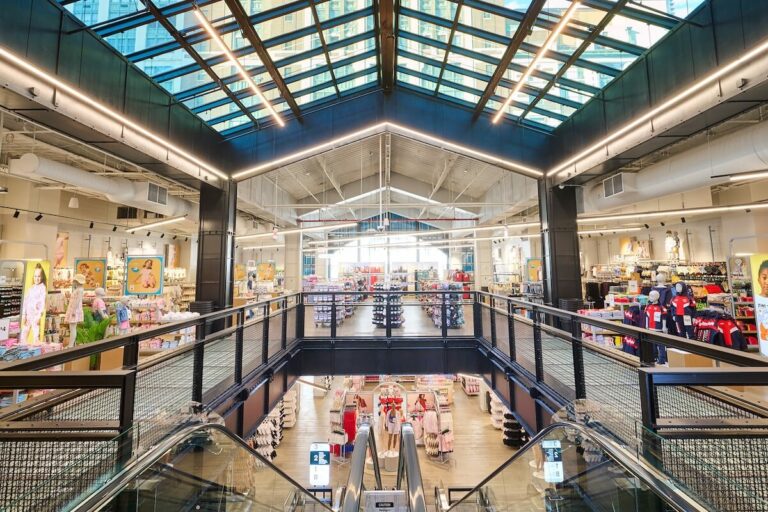
A practical guide to nine mall tenant formats in 2026, from flagships and pop-ups to anchor redevelopment and mixed-use retail.
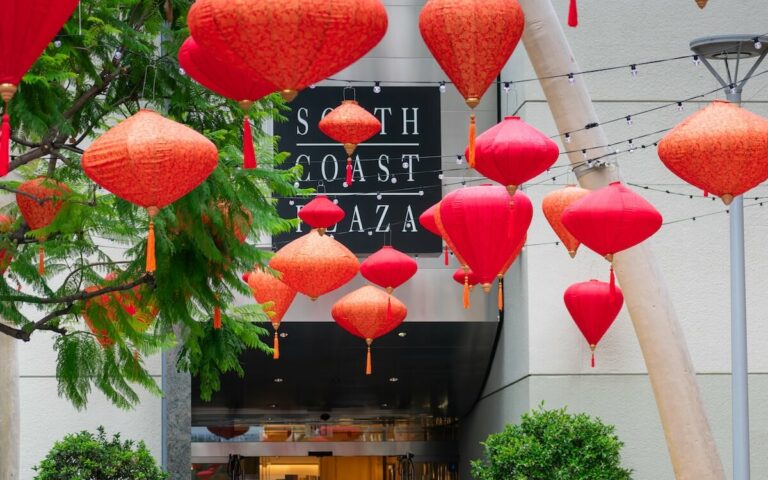
1,051 of 1,173 US malls hold zero ultra-luxury brands. Half of all Cartier, Chanel, Hermès, and Louis Vuitton mall stores…

Every physical expansion decision starts with the same question: where does the store go?
Verified signals on brand expansion, store openings, and mall development. Free.
Free · No credit card · Unsubscribe any time
Billed annually · View full comparison · Payment via invoice or PayPal
