

Major international cosmetics brands are facing a drop in revenue as department stores and shops close.
Major international cosmetics brands are facing a drop in revenue as department stores and other retail channels close down around the world. Estee Lauder, Amorepacific, and Kao are seeking to increase their share of sales through online channels and are offering new services to customers to reduce the risks and dependence on physical stores, which traditionally have been the primary source of revenue for them.
“If you look at your list of partners and see that three out of six are off the list, you have a lot to rethink,” commented Stephanie Vissink, an analyst at Jefferies Financial Group Inc. She said the traditional retail sales model is subject to many doubts about the new realities.
Cosmetic brand Estée Lauder during the closure of retail outlets was able to increase sales online significantly. The company has engaged beauty consultants from retail outlets to provide online lessons and advice from its online stores. The company believes the U.S. market will continue to shift from traditional retail stores to online sales in the coming years. At the end of the last quarter, the company suffered a loss of $6 million against a profit of $555 million a year earlier.
South Korean cosmetics company Amorepacific has also changed its model of work by directing most of the funds allocated for marketing expenses to the development of online sales. The company plans to expand cooperation with major online platforms in the U.S. and Asian markets. At the end of the quarter, the owner of Sulwhasoo and Mamonde brands lost more than 28% of revenue.
Japanese cosmetics company Kao, which produces cosmetics under the brands Bioré, Jergens, and Curél, also significantly increased online sales by attracting beauty consultants and increasing the number of online sessions with customers. As a result, the company’s revenue fell by only 7.5% in the first half of the year, to $6.3 billion.

European retail is scaling AI, agentic commerce and retail media, but consumer trust is becoming the constraint. Four structural shifts…
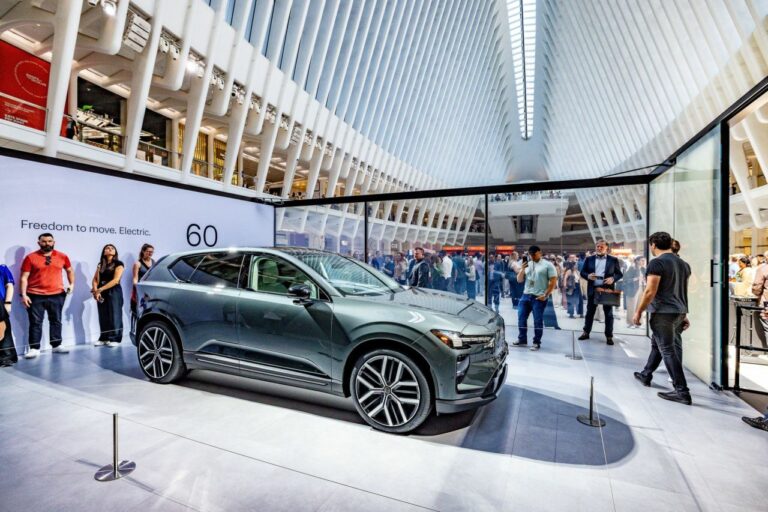
Mall operators are no longer leasing space for pop-ups. They are selling audience access.
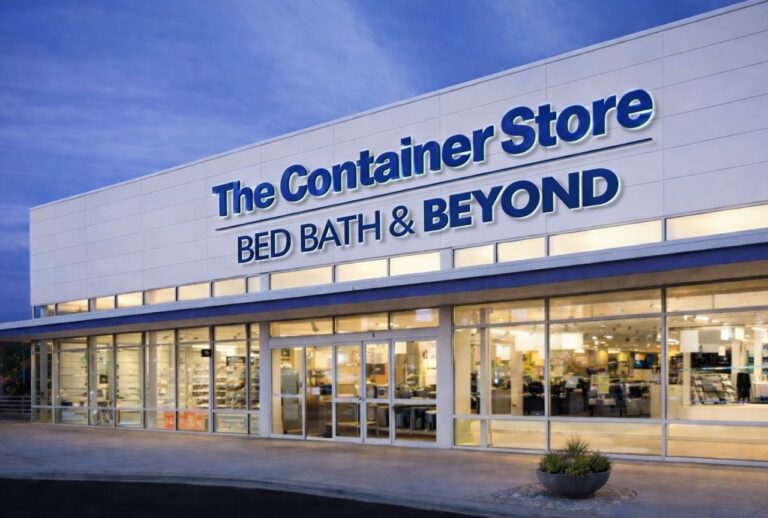
Physical stores still drive most retail sales, fulfill online orders, support AI shopping, and help brands return to market.
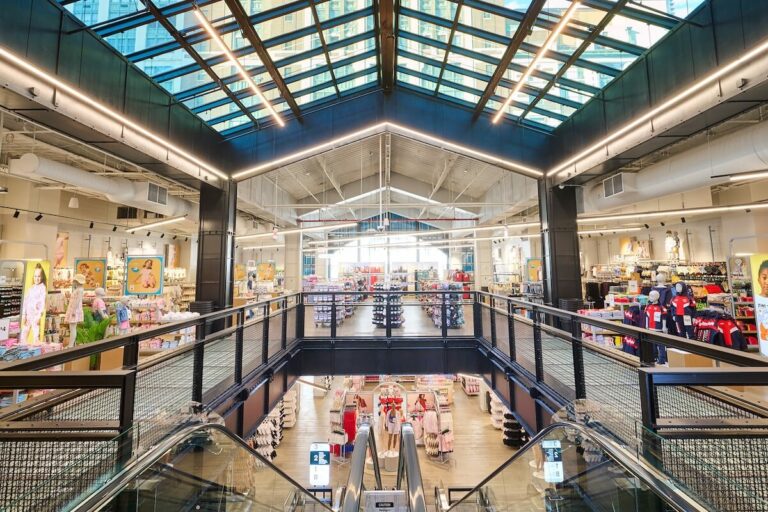
A practical guide to nine mall tenant formats in 2026, from flagships and pop-ups to anchor redevelopment and mixed-use retail.
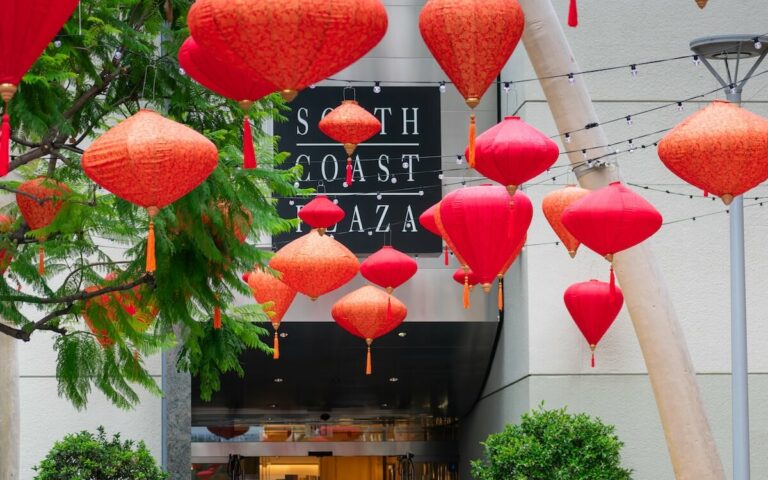
1,051 of 1,173 US malls hold zero ultra-luxury brands. Half of all Cartier, Chanel, Hermès, and Louis Vuitton mall stores…

Every physical expansion decision starts with the same question: where does the store go?
Verified signals on brand expansion, store openings, and mall development. Free.
Free · No credit card · Unsubscribe any time
