
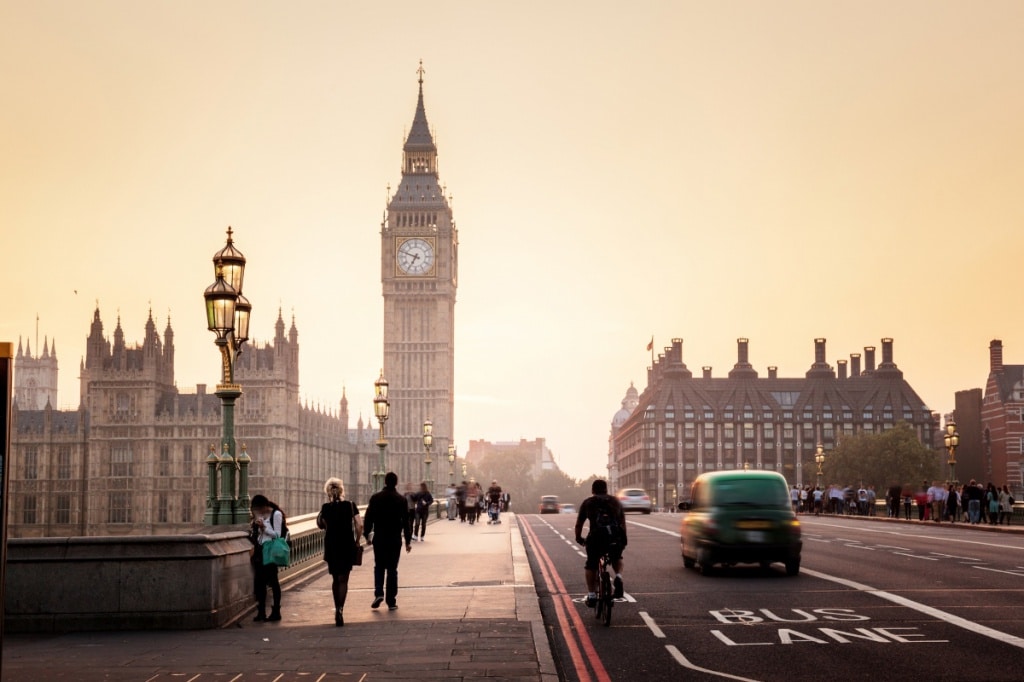
Debenhams, Primark, and Marks&Spencer were able to receive a record number of customers.
The British authorities have canceled the national quarantine imposed against the background of the second wave of the virus’s spread. After a few weeks of suspension, non-food retail stores, cafes, and restaurants, as well as fitness clubs reopened across the country.
Many residents began queuing up to the store at five in the morning to get to the stores first. In particular, in London, from the opening of the queues formed on pedestrian Oxford Street. In Birmingham, Newcastle, Liverpool, and Manchester, record lines were formed in popular fashion brands stores.
The authorities decided to allow the stores closed for quarantine, to work on Wednesday around the clock to return at least part of the lost profits. Thus, Debenhams, Primark, Marks & Spencer accepted a record number of buyers who missed the “live” shopping season.
Millions of Britons also went to bars, pubs, and restaurants on Wednesday. It is reported that the company Wetherspoons, which operates 900 bars across the country, set limits on the sale of alcohol that day – each visitor could order no more than three pints of beer. Besides, many pubs have introduced additional restrictions: you can now order drinks only together with food.
Earlier it was reported that the British authorities had decided to cancel the national quarantine that had been in effect since early November. Instead, earlier security measures are being introduced in the kingdom: the country is divided into yellow, orange, and red zones, each of which is subject to restrictions and bans according to the epidemiological situation and the dynamics of the virus.
Photo credit: depositphotos.com.
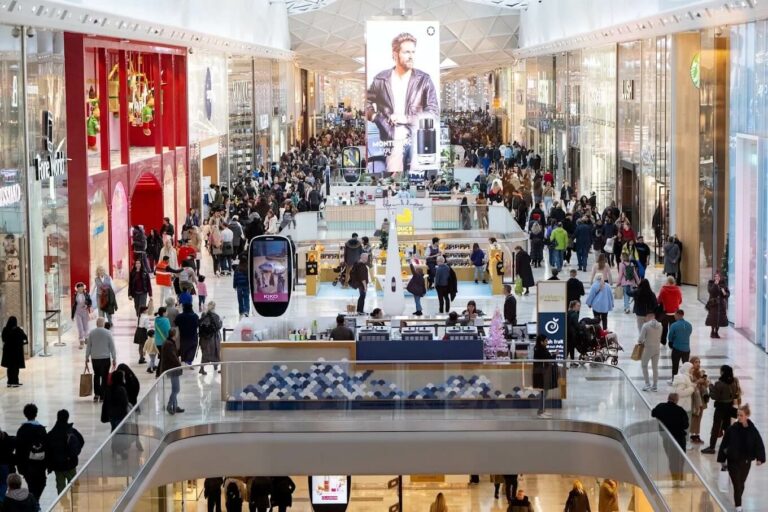
Bluewater opens its first new anchor since 1999. Next takes the former House of Fraser space with about 132,000 square…
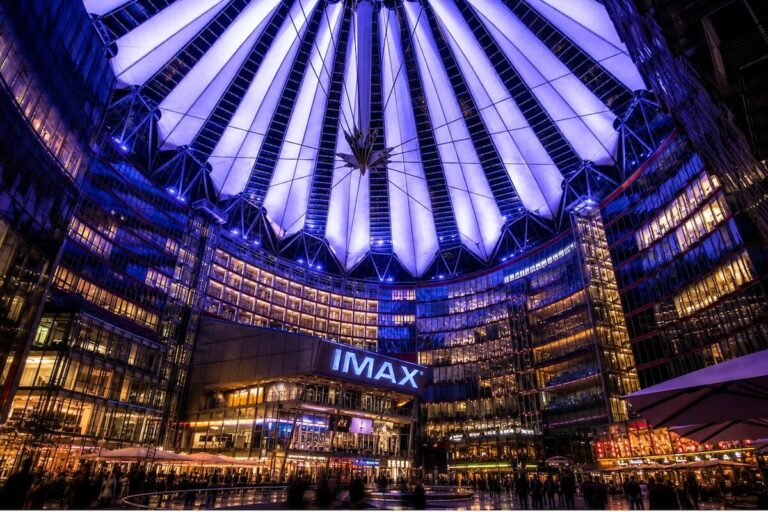
Opening in IMAX 70mm on July 17, 2026: Christopher Nolan's The Odyssey. Select shows went on sale one year in…

European retail is scaling AI, agentic commerce and retail media, but consumer trust is becoming the constraint. Four structural shifts…
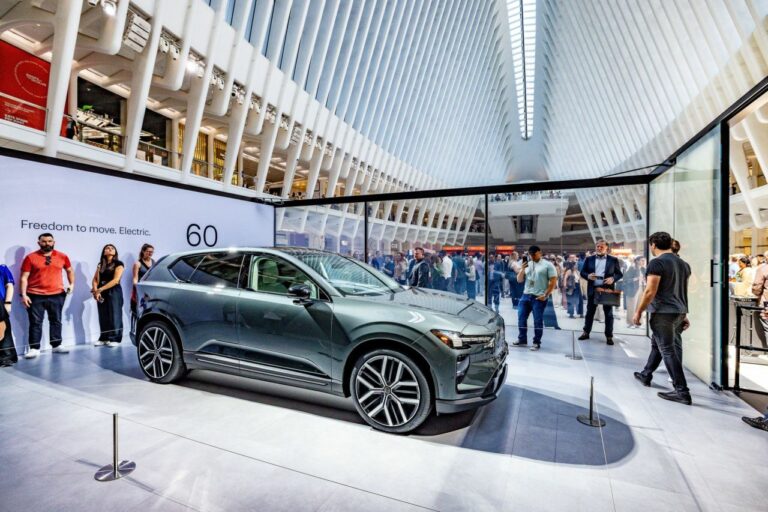
Mall operators are no longer leasing space for pop-ups. They are selling audience access.
Physical stores still drive most retail sales, fulfill online orders, support AI shopping, and help brands return to market.
A practical guide to nine mall tenant formats in 2026, from flagships and pop-ups to anchor redevelopment and mixed-use retail.
Verified signals on brand expansion, store openings, and mall development. Free.
Free · No credit card · Unsubscribe any time
