
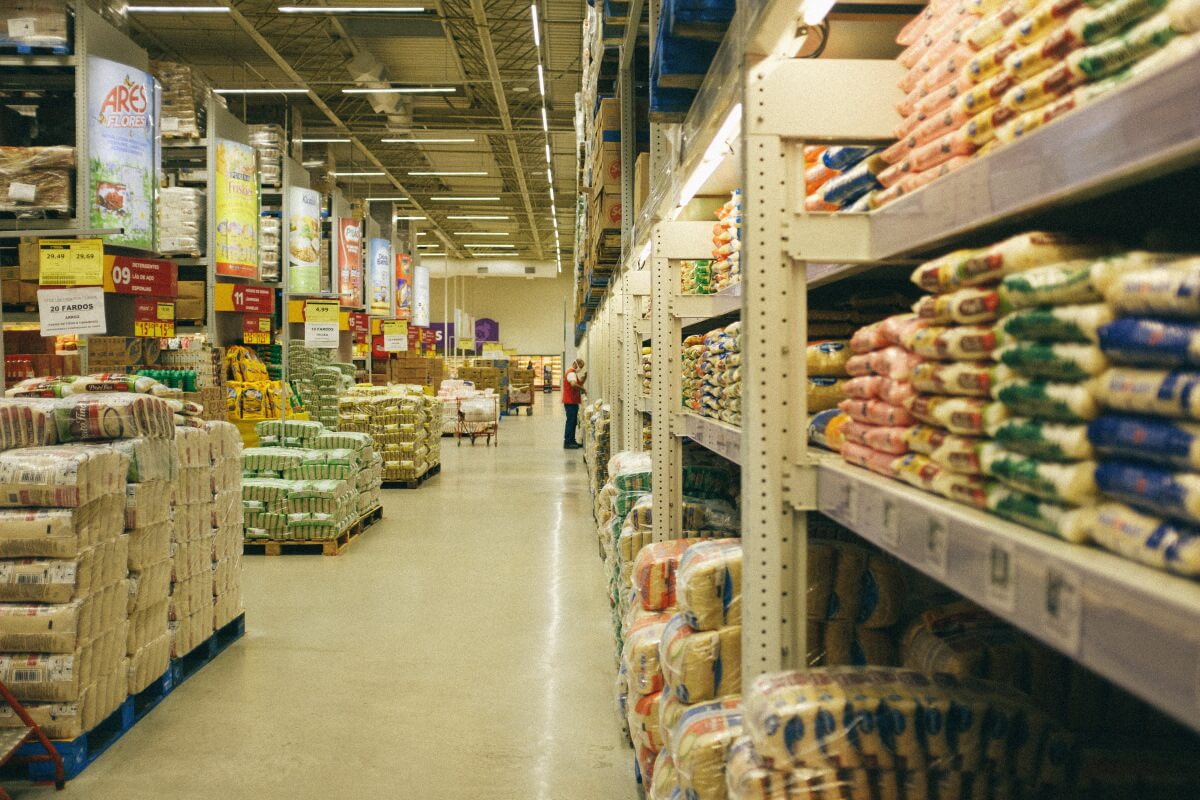
The fastest-growing retailers in the market remain German discounter chains Aldi and Lidl.
Food inflation in Britain reached a record 17.1 percent by Feb. 19. This was a record high in the modern history of market observation, Reuters reported, citing industry data. The fastest price rise was seen in dairy products, eggs and margarine. Experts estimate that the average British household will have to spend 811 pounds ($978) more a year to meet its basic needs for food and necessities.
“This February marked a full year since monthly food inflation exceeded 4 percent. This is having a big impact on people’s lives,” commented Fraser McKevitt, head of retail and consumer insight at Kantar.
The study found that rising food prices are the second most significant in the country after increasing energy costs. Britons in financial difficulty rose from 20 percent to 25 percent over the year. Additional pressure on consumers comes from rising mortgage rates. Nevertheless, there are positive signals in the retail sector. Inflation fell to 10.1 percent in January, the lowest since September, according to GfK research.
Consumers continue to look for various ways to save money. Against this background, sales of private label goods rose 13.2% in February, while sales of branded goods showed a 4.6% increase. The fastest-growing retailers in the market remain German discounter chains Aldi and Lidl, which increased sales by 26.7% and 25.4%, respectively. By comparison, Tesco reported revenue growth of 6.6%, Sainsbury’s – by 6.2%, and Asda – by 5.9%.

Gross margins and selected profit metrics for Coach, Pop Mart, lululemon, Miniso, Five Below, TJX and Costco, plus where each…

NikeSKIMS, Birkenstock and Starbucks Reserve chose HKRI Taikoo Hui for major China debuts. Why the Shanghai complex keeps winning new…
Bluewater opens its first new anchor since 1999. Next takes the former House of Fraser space with about 132,000 square…

Opening in IMAX 70mm on July 17, 2026: Christopher Nolan's The Odyssey. Select shows went on sale one year in…

European retail is scaling AI, agentic commerce and retail media, but consumer trust is becoming the constraint. Four structural shifts…

Mall operators are no longer leasing space for pop-ups. They are selling audience access.
