

Reports of tightened quarantine laws overshadowed the joy among retailers for opening new stores and boutiques at the airport.
On November 1, the new Berlin-Brandenburg Airport opened for commercial flights after a long construction period of a decade. At the same time, many stores and luxury boutiques were opened. However, it was hard to imagine a more unfortunate time, as from Monday, a monthly lockdown was announced in Germany.
All air traffic from the capital will be concentrated on the new airport within a few days. All flights from the old capital airports – Tegel and Schönefeld – will be redistributed. Schoenefeld will be part of the new airport as a separate terminal, while Tegel will close on November 8.
The new airport includes newly built terminals and a vast construction area that consists of some commercial spaces. Among the new airport’s retail outlets, the largest site is occupied by Heinemann Duty-Free stores. There will be nine stores, including multi-brand boutiques, that occupy about 5,500 square meters of space.
At the first stage, only six of them, located in Terminal 1, will open. The rest will earn after the removal of the lockdown when Terminal 2 operations begin. Another ten stores at the airport have been opened by the Paris company Lagardere Travel Retail, some of which are focused on selling necessities. At the same time, the rest are Duty-Free, fashionable goods, and general catering.
For retailers who have opened new stores, the news that Germany is tightening quarantine measures just a few days after the beginning of their work is unpleasant. The work at this stage will be done only partially. The stores will serve the remaining traffic of passengers, hoping for an improvement in the future.
The management of Berlin-Brandenburg even suggests retailers find positive sides in this situation and emphasize that redistribution of flights and their concentration in one place during the pandemic will be beneficial for them. The main argument is that the stores will serve all the visitors’ traffic in one place, without spraying on retail outlets in different airports.
Photo credit: depositphotos.com.

European retail is scaling AI, agentic commerce and retail media, but consumer trust is becoming the constraint. Four structural shifts…
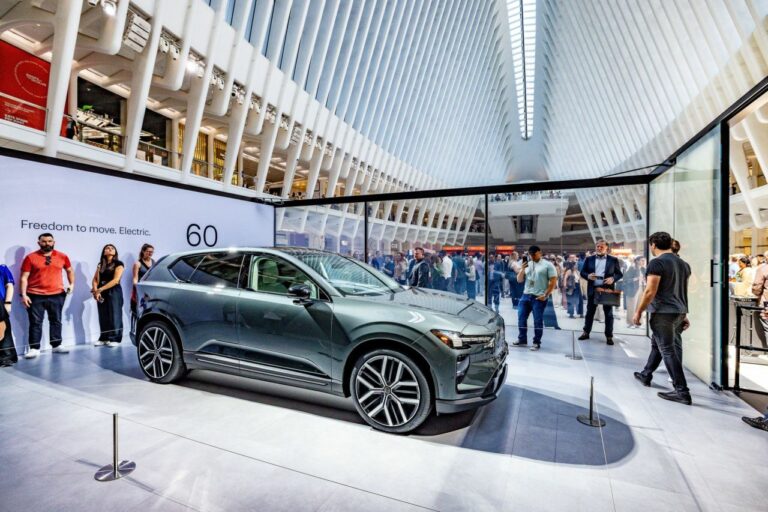
Mall operators are no longer leasing space for pop-ups. They are selling audience access.
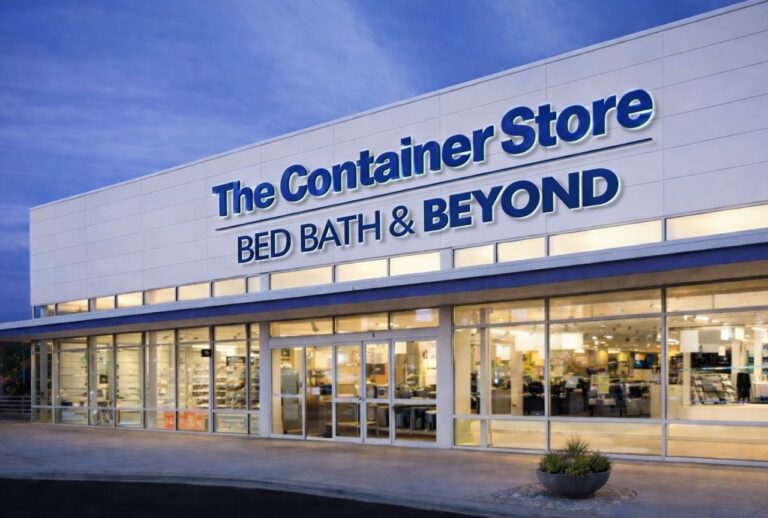
Physical stores still drive most retail sales, fulfill online orders, support AI shopping, and help brands return to market.
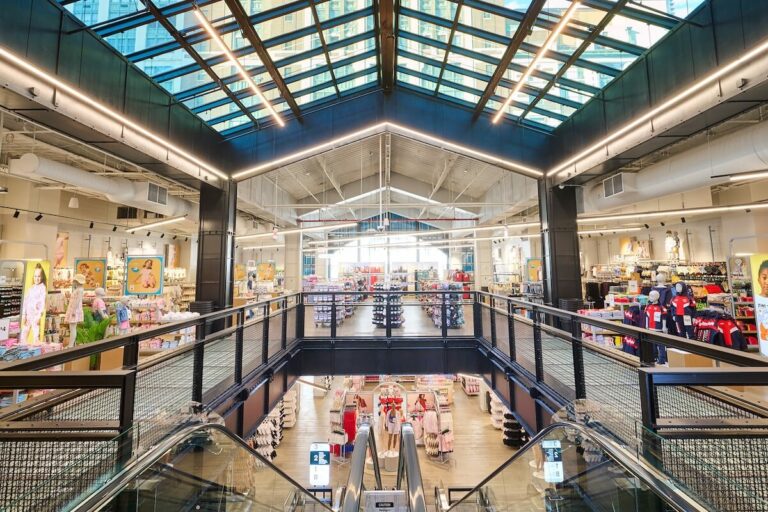
A practical guide to nine mall tenant formats in 2026, from flagships and pop-ups to anchor redevelopment and mixed-use retail.
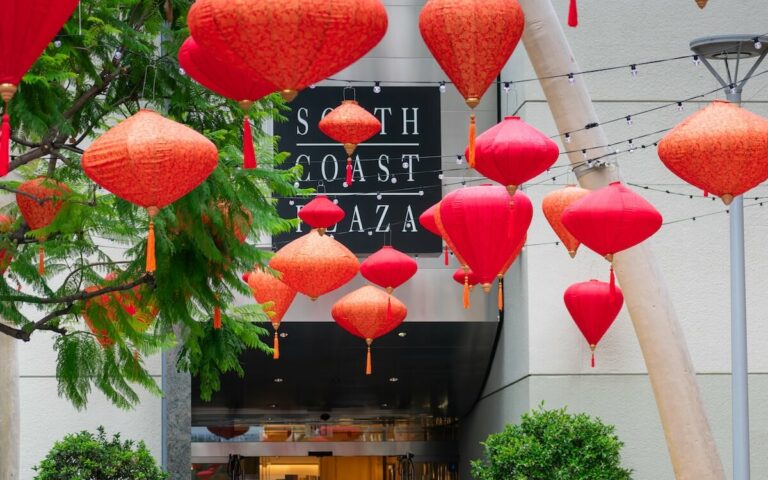
1,051 of 1,173 US malls hold zero ultra-luxury brands. Half of all Cartier, Chanel, Hermès, and Louis Vuitton mall stores…
Every physical expansion decision starts with the same question: where does the store go?
Verified signals on brand expansion, store openings, and mall development. Free.
Free · No credit card · Unsubscribe any time
