

Apple’s newest store in Shanghai opened on March 21.
Apple Jing’an will hold a special six-week Today at Apple program, paying tribute to the local community and its creatives, the company said. The opening celebration featured a special performance by the youngest members of the Shanghai Symphony Orchestra.
“We are excited to open Apple Jing’an, a store that seamlessly blends the traditional with the modern and perfectly complements this historic neighborhood in Shanghai,” said Deirdre O’Brien, Apple’s senior vice president of retail. “From our phenomenal iPhone lineup to the new 13-inch and 15-inch MacBook Air, Apple Jing’an brings all of our products and services together with an amazing team to create a truly magical shopping experience for our customers.”
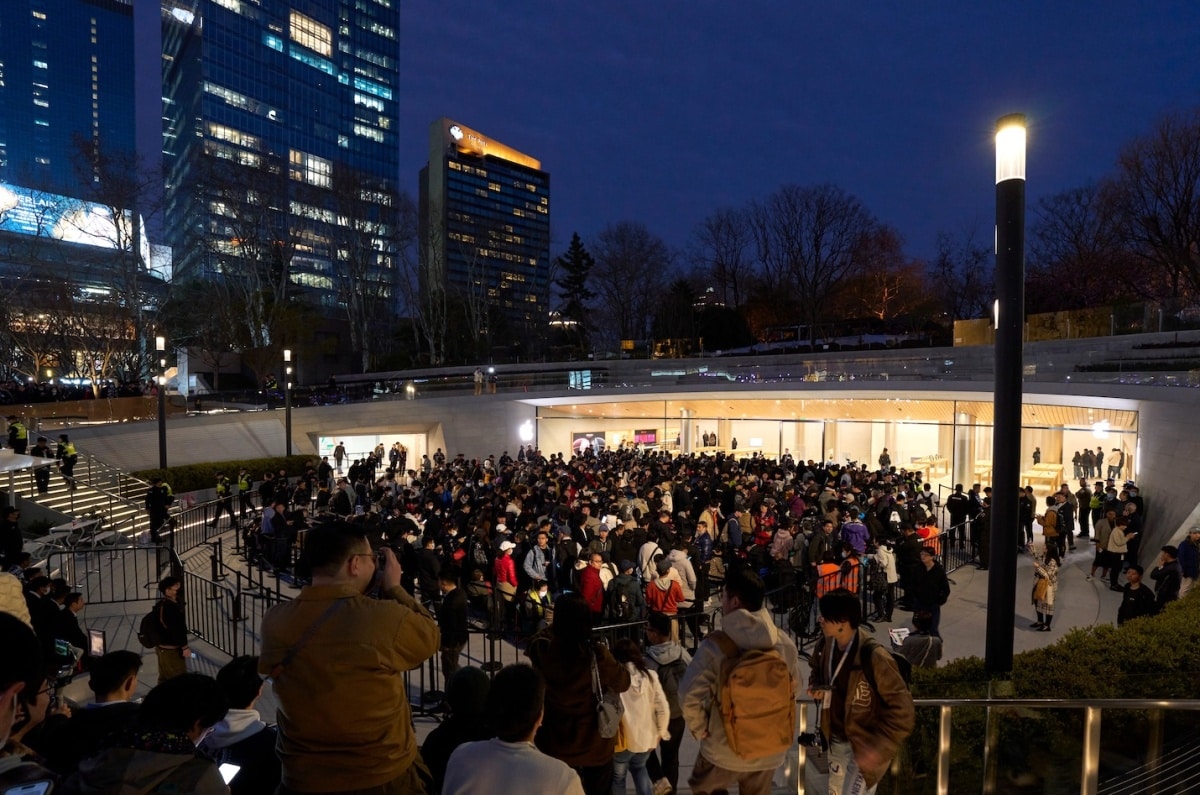
The flagship store in Shanghai will have over 150 employees who will be able to communicate with customers in many foreign languages, including English, Korean, German, Spanish, Japanese, and more. In addition, the staff has been selected so that, in addition to the national Chinese language “Putonghua”, it will be possible to speak to customers in 25 other dialects that are common in different parts of the country.
Located near Jing’an Temple and Jing’an Park in Shanghai, the store offers the community a gathering place for special events and is also a unique shopping destination. The Apple Jing’an store became the eighth in Shanghai, the largest in mainland China, and the second largest in the world. Today, Apple’s portfolio includes 57 stores in China.
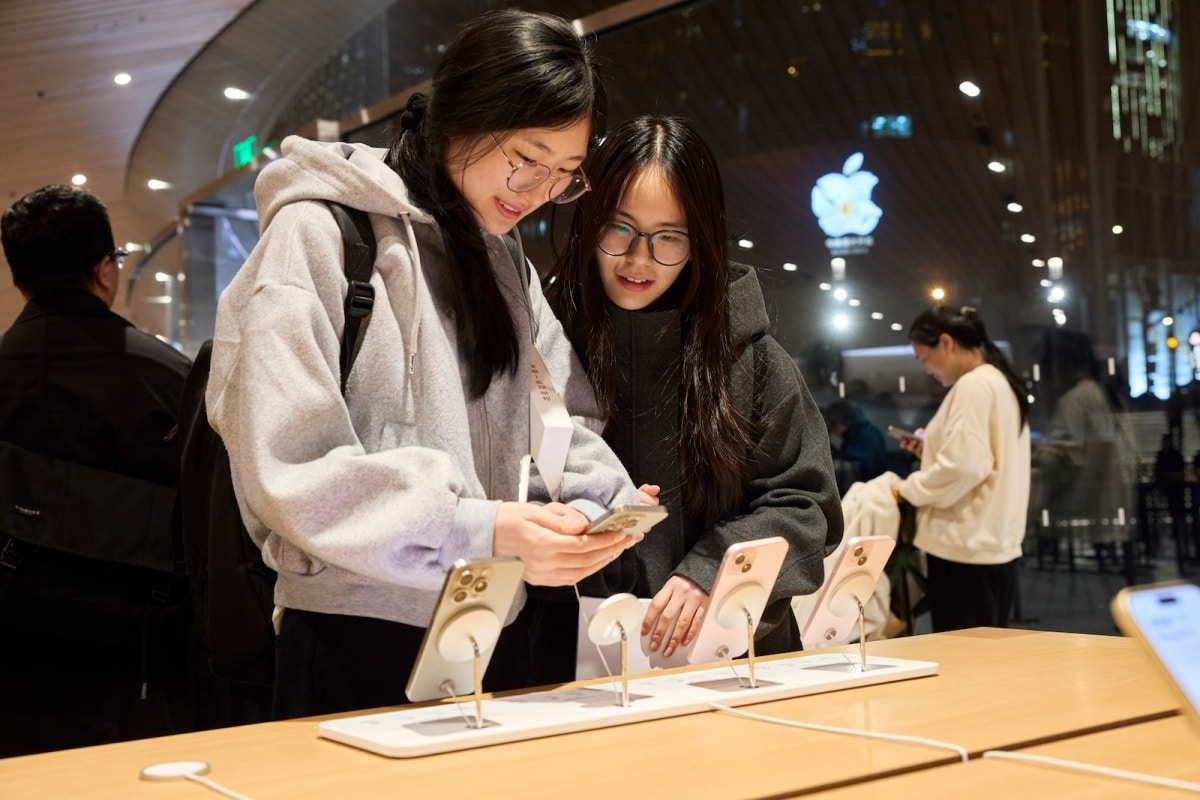
CEO Tim Cook came to the opening of the new Apple Store, saying China continues to play a “critical” role in Apple’s business. It is currently the third largest market for the company, but Apple’s sales in the Middle Kingdom have been declining recently.
According to Apple, sales in China totaled $20.8 billion in the fourth quarter of 2023, down 13% from a year earlier and the weakest result since 2020. It was also reported that Apple’s smartphone sales fell by nearly a quarter in early 2024.
European retail is scaling AI, agentic commerce and retail media, but consumer trust is becoming the constraint. Four structural shifts…
Mall operators are no longer leasing space for pop-ups. They are selling audience access.
Physical stores still drive most retail sales, fulfill online orders, support AI shopping, and help brands return to market.
A practical guide to nine mall tenant formats in 2026, from flagships and pop-ups to anchor redevelopment and mixed-use retail.
1,051 of 1,173 US malls hold zero ultra-luxury brands. Half of all Cartier, Chanel, Hermès, and Louis Vuitton mall stores…
Every physical expansion decision starts with the same question: where does the store go?
Verified signals on brand expansion, store openings, and mall development. Free.
Free · No credit card · Unsubscribe any time
Billed annually · View full comparison · Payment via invoice or PayPal
