
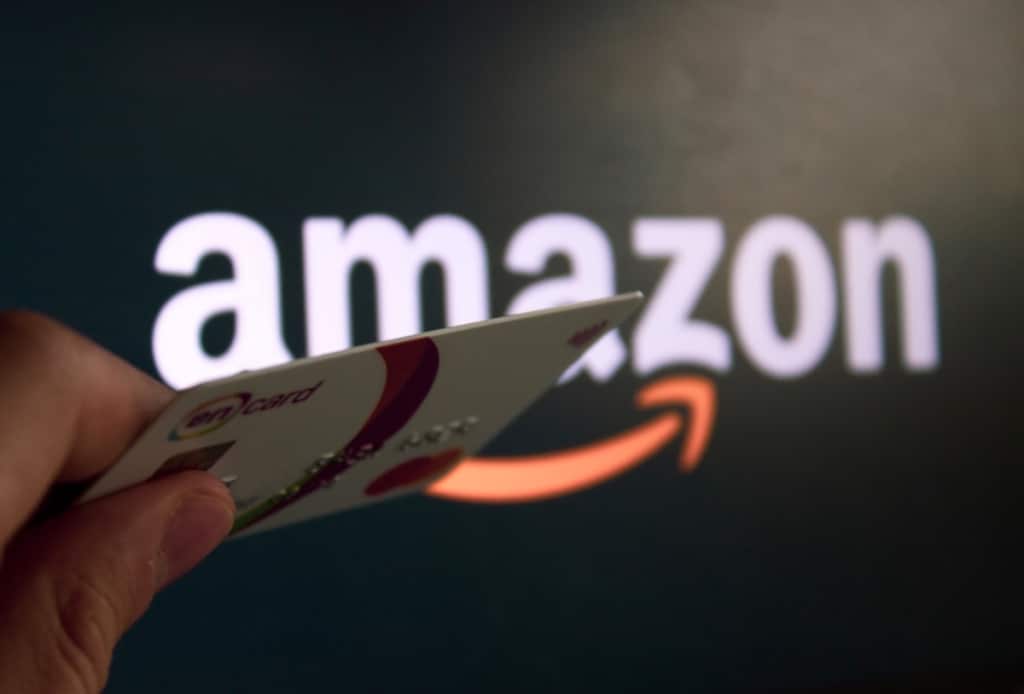
Stocks of massive pharmacy chains have fallen in price after the announcement that the online retailer begins the delivery of drugs.
Amazon has announced the beginning of pharmacy sales through its platform. It will allow buyers to order delivery of prescription drugs directly to their homes, an option that is expected to become very popular during the pandemic.
While buyers would benefit from such an innovation, for large pharmaceutical companies, such news has become, if not shocking, quite alarming. A new major player on the market threatens a complete redistribution of forces in the industry, which may harm many pharmacy chains; some supermarkets and stores, for which a pharmacy’s presence was a way to increase traffic, may also suffer.
Overnight, many pharmacy chains’ shares fell in price, with a drop of 9 to 20%. For Walgreens Boots Alliance, the largest U.S. pharmacy chain, the news turned into a 9.6% drop in stock prices, CVS Health pharmacy chain experienced a fall of 8.6%. Rite Aid shares fell by 16.3%.
Another negative consequence of Amazon’s entry into the pharmaceutical companies market will be an inevitable decline in drug prices and decreased profitability in this area. However, for buyers, this approach is beneficial.
A joyous moment for buyers will be that many pharmacy chains will begin to offer more product delivery options in a competitive struggle. Most pharmacies do not have this option, and buyers are forced to queue in premises that are not always well ventilated, significantly negative during a pandemic.
Photo credit: depositphotos.com.

European retail is scaling AI, agentic commerce and retail media, but consumer trust is becoming the constraint. Four structural shifts…
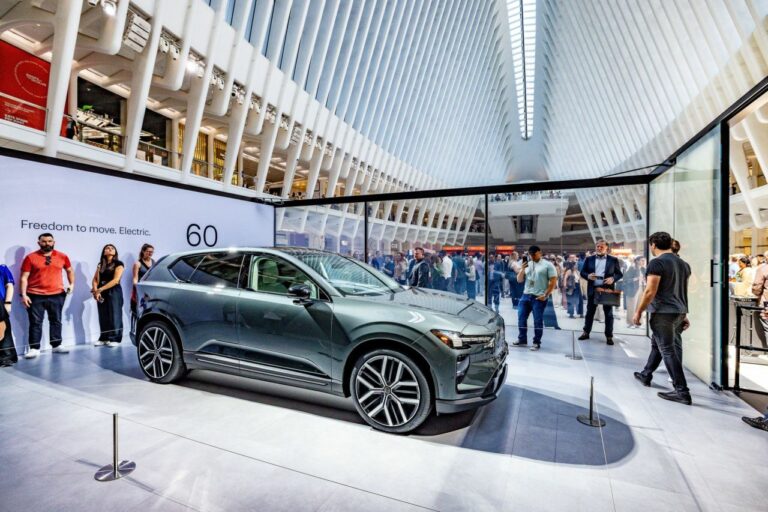
Mall operators are no longer leasing space for pop-ups. They are selling audience access.
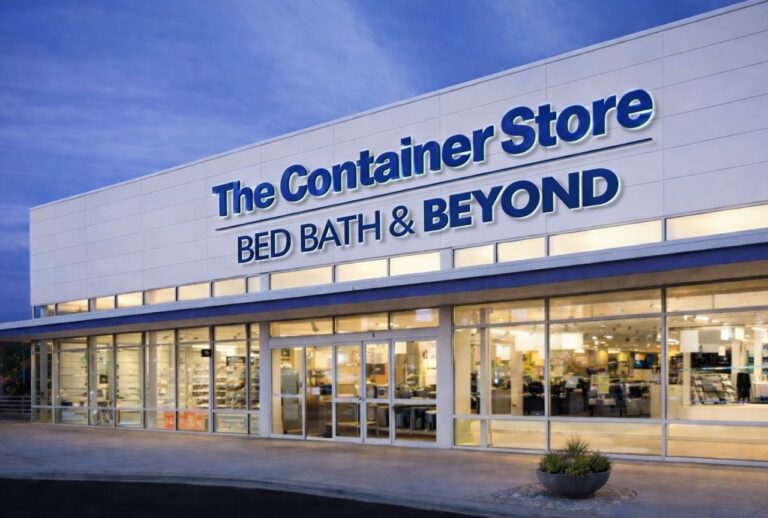
Physical stores still drive most retail sales, fulfill online orders, support AI shopping, and help brands return to market.
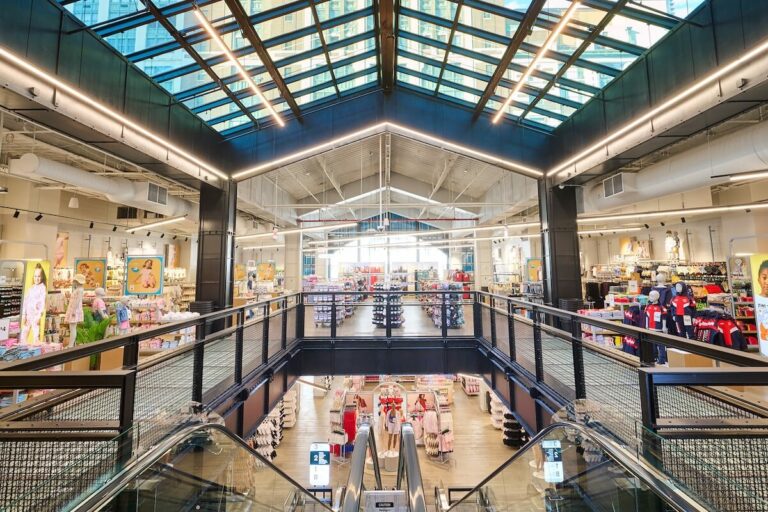
A practical guide to nine mall tenant formats in 2026, from flagships and pop-ups to anchor redevelopment and mixed-use retail.
1,051 of 1,173 US malls hold zero ultra-luxury brands. Half of all Cartier, Chanel, Hermès, and Louis Vuitton mall stores…
Every physical expansion decision starts with the same question: where does the store go?
Verified signals on brand expansion, store openings, and mall development. Free.
Free · No credit card · Unsubscribe any time
