
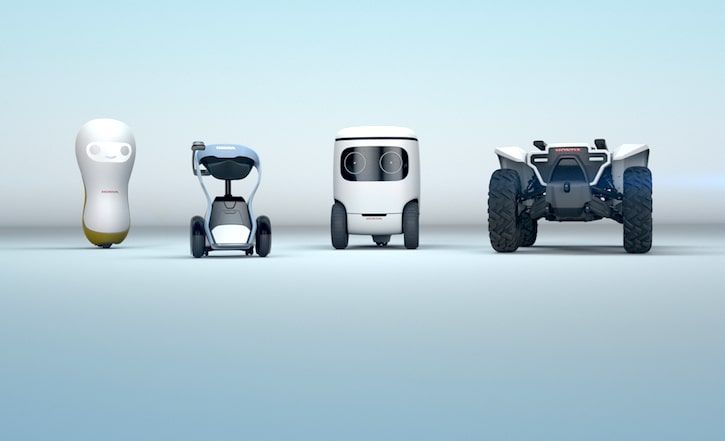
Warehouse robot maker Locus Robotics was able to raise additional funds and is ready to enter new markets.
The coronavirus pandemic will have a profound impact on robotics as more and more companies see automation as the only way to move forward. Frankly, large-scale automation has long seemed inevitable. But now corporations and small companies will look even more actively for ways to remove the human factor from the business equation.
And companies that are engaged in creating various robotic systems capable of doing routine or hard work today have found themselves on what is called a horse. And Locus Robotics is one of them. The company specializes, first of all, in the development and production of warehouse robots like LocusBot, which can, if not replace, greatly facilitate the work of people in warehouses, reducing them to management issues. According to the company itself, the use of robots in warehouses can increase capacity by 2-3 times at once, reports TechCrunch.
Locus Robotics has had no problems with finding money before. The Massachusetts-based startup, which raised $26 million last April, has now added another $40 million to its funds. Investors have included companies like Zebra Technologies and Scale Venture Partners. In total, the company has already managed to raise $105 million.
“The new funding will help Locus Robotics accelerate its expansion into global markets, allowing us to strengthen our support to retail, industrial, healthcare and logistics companies around the world,” said Locus Robotics CEO Rick Falk, commenting on the financial impact of the new funding.
Things are going very well with Locus Robotics in the United States. Its products are readily purchased or leased by companies with large warehouses. The company is reportedly in talks about a contract with DHL, which plans to purchase 1,000 robots in the near future. Earlier UPS reported the intention to use Locus robots. It is expected that the new funding will allow the creation of robots that can gain a foothold in the European market.
The number of robotic warehouses around the world is increasing rapidly. Thus, according to a study by ABI Research, by 2025 the world will use at least 4 million warehouse robots. And this despite the fact that a few years ago, their numbers were in the hundreds.

European retail is scaling AI, agentic commerce and retail media, but consumer trust is becoming the constraint. Four structural shifts…

Mall operators are no longer leasing space for pop-ups. They are selling audience access.
Physical stores still drive most retail sales, fulfill online orders, support AI shopping, and help brands return to market.
A practical guide to nine mall tenant formats in 2026, from flagships and pop-ups to anchor redevelopment and mixed-use retail.

1,051 of 1,173 US malls hold zero ultra-luxury brands. Half of all Cartier, Chanel, Hermès, and Louis Vuitton mall stores…

Every physical expansion decision starts with the same question: where does the store go?
Verified signals on brand expansion, store openings, and mall development. Free.
Free · No credit card · Unsubscribe any time
