
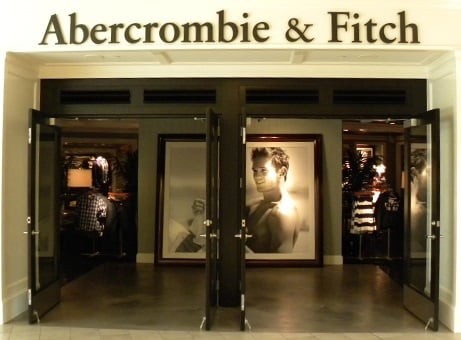
Abercrombie & Fitch Co. has seen a decline in its quarterly profit figure.
This comes after low demand for its namesake and Hollister brands, a strong dollar and discounts.
The company saw a decline in its net income to $44.4m from $66.1m the previous year, or 63 cents per share from 85 cents per share the previous year. Net sales declined by 14% to $1.121m, with a 10% reduction in total comparable sales.
This has been a tough year for Abercrombie, but the company has made the decision that it will phase out the logos placed on its clothing in a bid to try and regain the lucrative teen market.
According to Arthur Martinez, the executive chairman of Abercrombie & Fitch, the company has clear priorities for 2015. These include improving comparable sales, both in the US and internationally.
They also intend making further investments in their omni-channel and DTC business. Above all, they need to reduce expenditure and become more efficient. The company is expecting a challenging 2015 first-half, but believes that there will be an improvement during the second half of the year.

European retail is scaling AI, agentic commerce and retail media, but consumer trust is becoming the constraint. Four structural shifts…
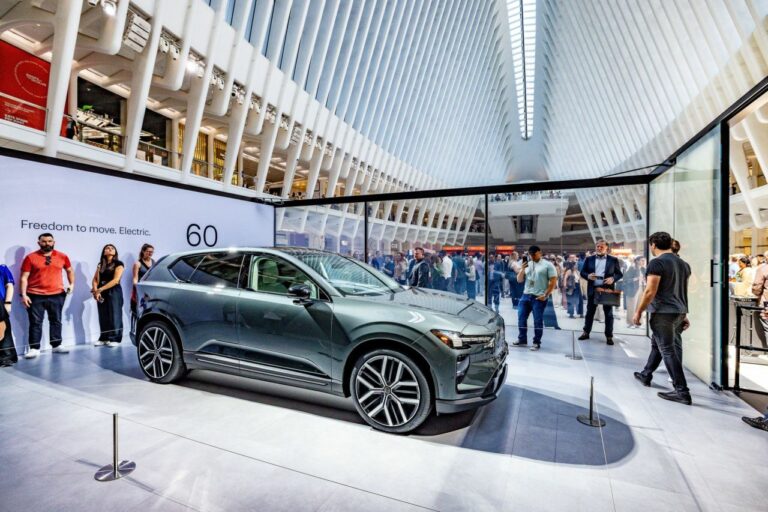
Mall operators are no longer leasing space for pop-ups. They are selling audience access.
Physical stores still drive most retail sales, fulfill online orders, support AI shopping, and help brands return to market.
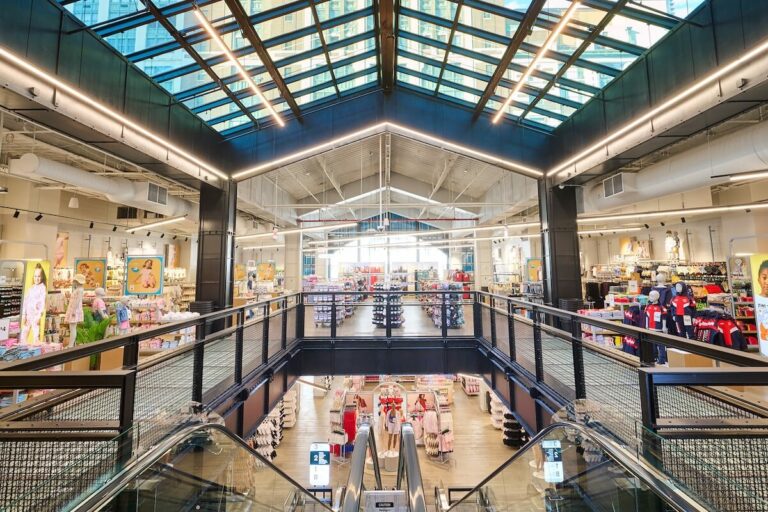
A practical guide to nine mall tenant formats in 2026, from flagships and pop-ups to anchor redevelopment and mixed-use retail.
1,051 of 1,173 US malls hold zero ultra-luxury brands. Half of all Cartier, Chanel, Hermès, and Louis Vuitton mall stores…
Every physical expansion decision starts with the same question: where does the store go?
Verified signals on brand expansion, store openings, and mall development. Free.
Free · No credit card · Unsubscribe any time
