
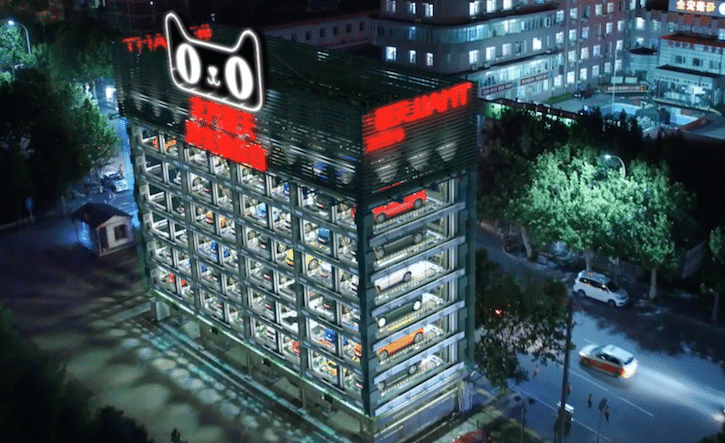
The Alibaba Group-owned site is looking to take e-commerce to the next level.
In the U.S., car-shopping proposes hours spent at a local dealership and tense negotiations with salespeople. In China, it requires few more than a tap on the screen of your mobile phone.
So far, that has meant only purchasing a new vehicle online. But Tmall, the Alibaba Group-owned B2C shopping site, is looking to take this particular type of e-commerce to the next level — with the “Automotive Vending Machine.” Consumers would browse the cars parked in the massive garage-like building on their phones, make their purchase, and then the vehicles would be moved to them at ground level.
Alibaba’s “new automotive retail model” will be the key to making these vending machines a reality. Introduced during Tmall’s “6.18” mid-year sale, the model allows mobile customers with good credit history to purchase their new drive in only five minutes.
Anyone with over 750 points on Sesame Credit, Alibaba’s credit-scoring system for consumers, could choose a model online, pay a 10 percent initial fee and pick up their new car. Then all they would need to do is to make recurrent payments through Alipay until it is paid in full.
Nearly 1,500, or 5 percent, of the 30,000 cars sold on Tmall within the first three days of the new payment model’s start were purchased by consumers using this system.
Alibaba has been testing different online sales models for the autos industry. Last year, Maserati sold 100 cars in 18 seconds through a flash sale on Tmall to consider its flagship store’s opening on the B2C platform. Fellow Italian luxury car Alfa Romeo followed with its flash sale last March, selling 350 Giulia Milano cars in 33 seconds.
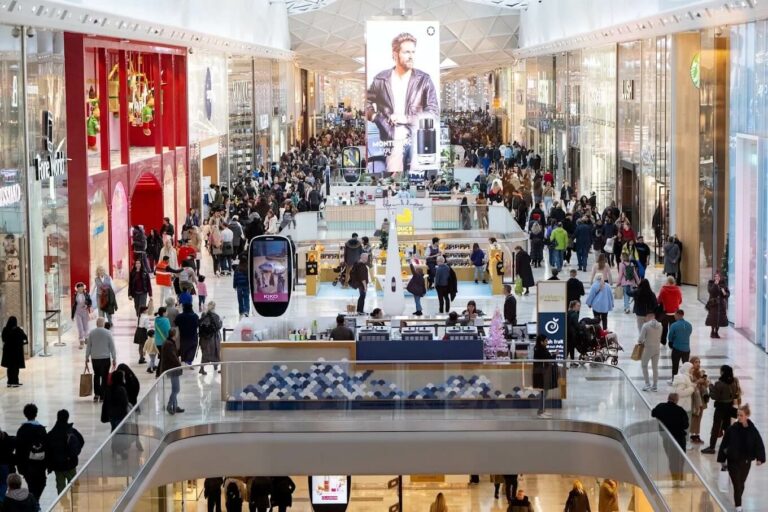
Bluewater opens its first new anchor since 1999. Next takes the former House of Fraser space with about 132,000 square…
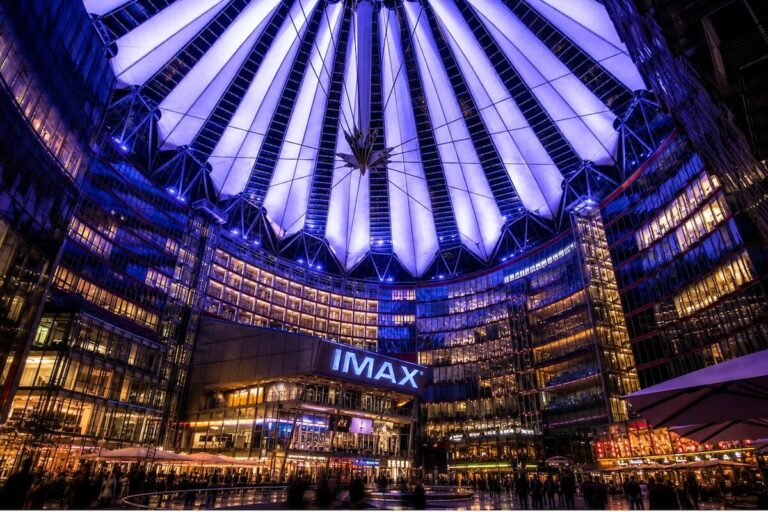
Opening in IMAX 70mm on July 17, 2026: Christopher Nolan's The Odyssey. Select shows went on sale one year in…
European retail is scaling AI, agentic commerce and retail media, but consumer trust is becoming the constraint. Four structural shifts…
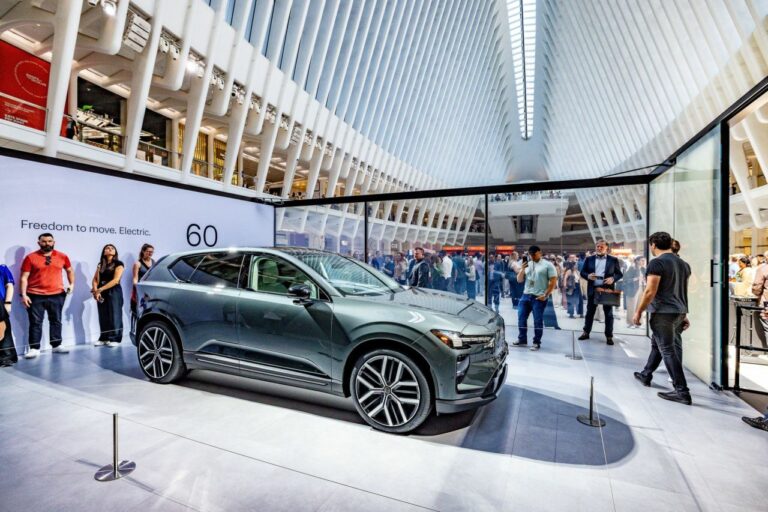
Mall operators are no longer leasing space for pop-ups. They are selling audience access.
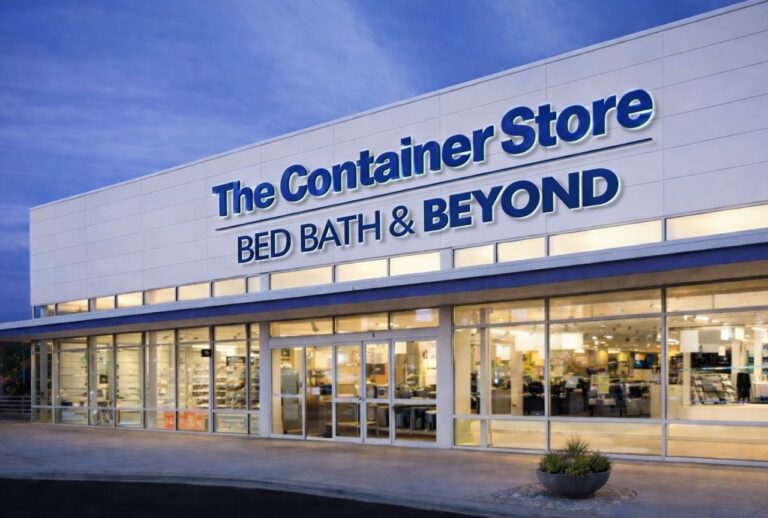
Physical stores still drive most retail sales, fulfill online orders, support AI shopping, and help brands return to market.
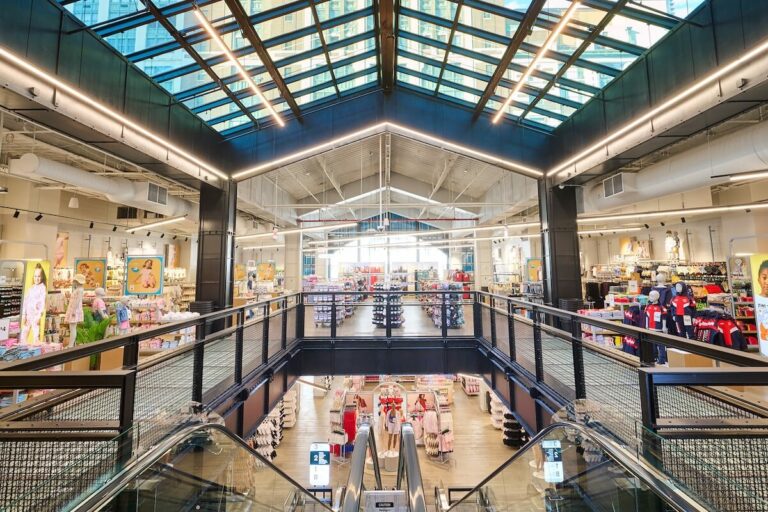
A practical guide to nine mall tenant formats in 2026, from flagships and pop-ups to anchor redevelopment and mixed-use retail.
Verified signals on brand expansion, store openings, and mall development. Free.
Free · No credit card · Unsubscribe any time
