95% of European retail sales in 2015 were carried out either in-store or online via a brick-and-mortar retailer Pure play online sales accounted for only 3.6% of total retail sales in Europe in 2015 The impact of online retailing on retail real estate is often grossly overstated as a result of an incongruous narrative that […]
The impact of online retailing on retail real estate is often grossly overstated as a result of an incongruous narrative that has focused on clicks versus bricks. On the contrary, in today’s era of omni-channel retailing, there has been a convergence of online and offline and bricks-and-mortar remains the cornerstone of retailer strategies, acting as a platform to showcase brands and drive sales across all channels.
Going forward, as physical retailers continue to invest in developing their omni-channel strategies, they will be a leading driver of e-commerce sales. As such, far from being a weakness, rising e-commerce sales testify to the strength of retail real estate and the enduring value of the store as an integral part of the consumer experience. Therefore, in order to understand the true contribution of bricks-and-mortar to turnover, it is also necessary to consider the online sales of retailers who have a physical store network. This report serves to provide a more accurate picture of the value of retail real estate in Europe and to quantify the retail sales that are owed all, or in part, to physical stores.

Gross margins and selected profit metrics for Coach, Pop Mart, lululemon, Miniso, Five Below, TJX and Costco, plus where each…
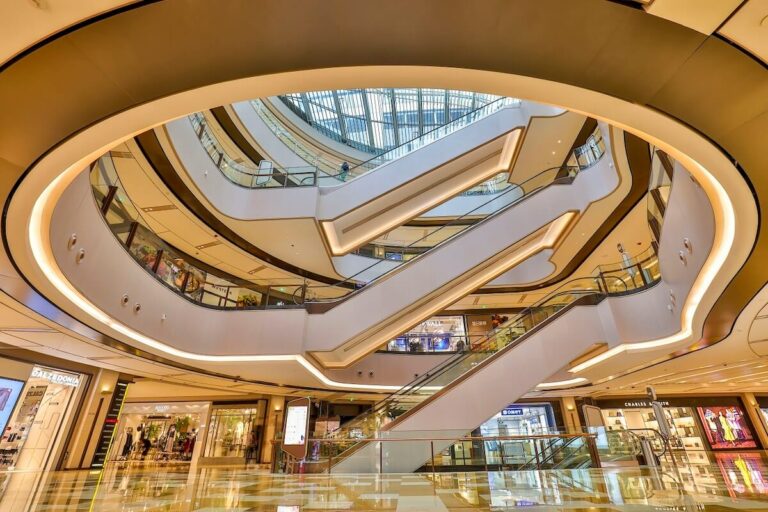
NikeSKIMS, Birkenstock and Starbucks Reserve chose HKRI Taikoo Hui for major China debuts. Why the Shanghai complex keeps winning new…
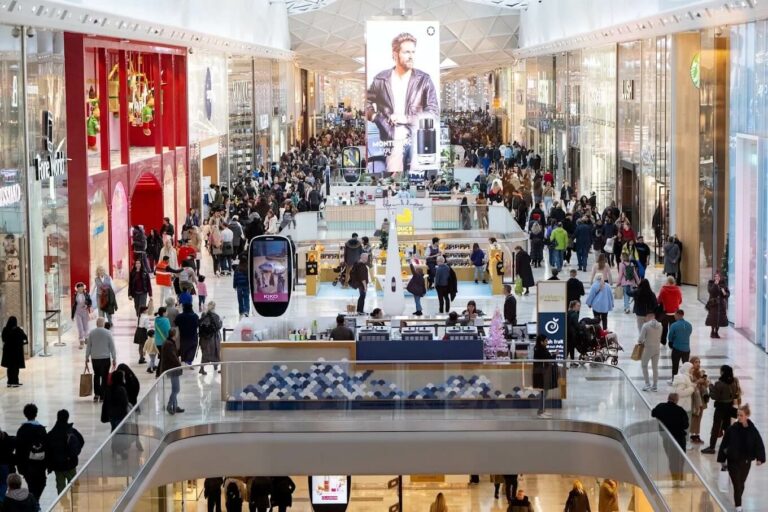
Bluewater opens its first new anchor since 1999. Next takes the former House of Fraser space with about 132,000 square…

Opening in IMAX 70mm on July 17, 2026: Christopher Nolan's The Odyssey. Select shows went on sale one year in…

European retail is scaling AI, agentic commerce and retail media, but consumer trust is becoming the constraint. Four structural shifts…
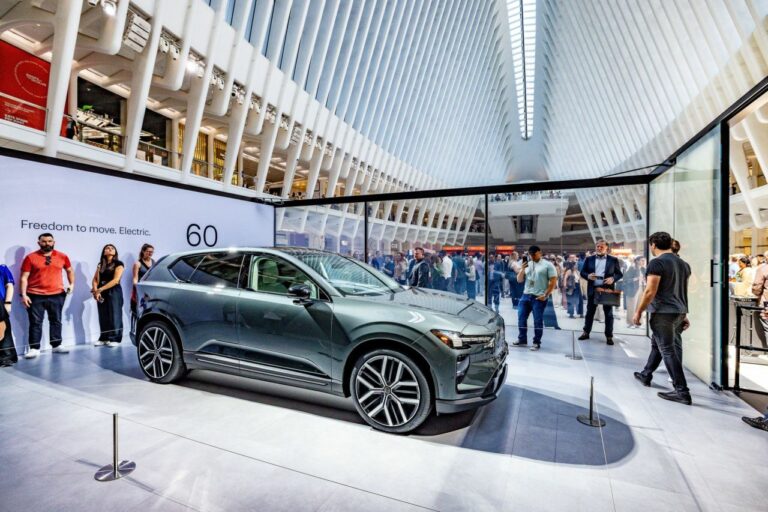
Mall operators are no longer leasing space for pop-ups. They are selling audience access.