

Massive store closures have pushed commercial rents to historic lows.
For retailers around the world, 2020 has been a tough year. A series of significant brand bankruptcies and store closings, including many chain stores, at virtually every player in the market, has resulted in many locations being empty by early 2021. And for New York City retailers, rents have fallen so much due to the high number of vacant spaces they have been recording falls to historic lows.
According to the city’s Real Estate Board, rents for retail space fell 25 percent from 2019 levels in the fall of 2020. Space owners are now finding it hard to fill stores and are being forced to make unprecedented concessions. Even in New York City’s most expensive shopping district, along Fifth Avenue from 49th Street to 59th Street, the average asking rent fell 8 percent to $2,618 per square foot.
After analyzing vacancy rates and rents in Manhattan’s traditionally busy retail space, the council concluded that some retail corridors have seen vacancy rates increase from 6 percent to 67 percent since fall 2019.
The lowest asking rent areas were also identified as SoHo, upper Madison Avenue, and upper Fifth Avenue. The weakest rents have not been recorded here in at least a decade. The city’s most popular retail corridors are now experiencing a shortage of tenants, suggesting a market shift amid a coronavirus pandemic that no one could have predicted.
Photo credit: depositphotos.com.
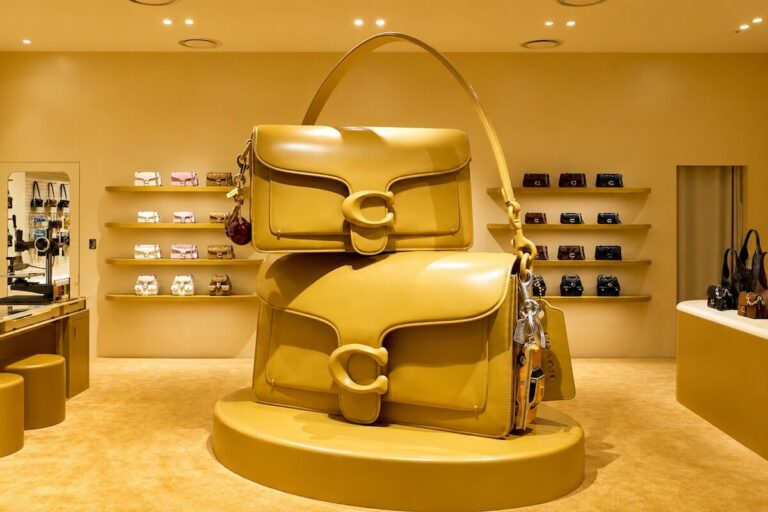
Gross margins and selected profit metrics for Coach, Pop Mart, lululemon, Miniso, Five Below, TJX and Costco, plus where each…
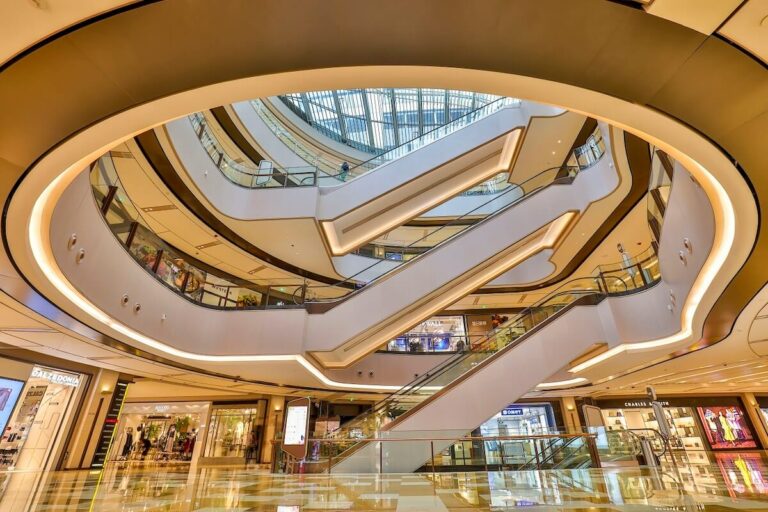
NikeSKIMS, Birkenstock and Starbucks Reserve chose HKRI Taikoo Hui for major China debuts. Why the Shanghai complex keeps winning new…
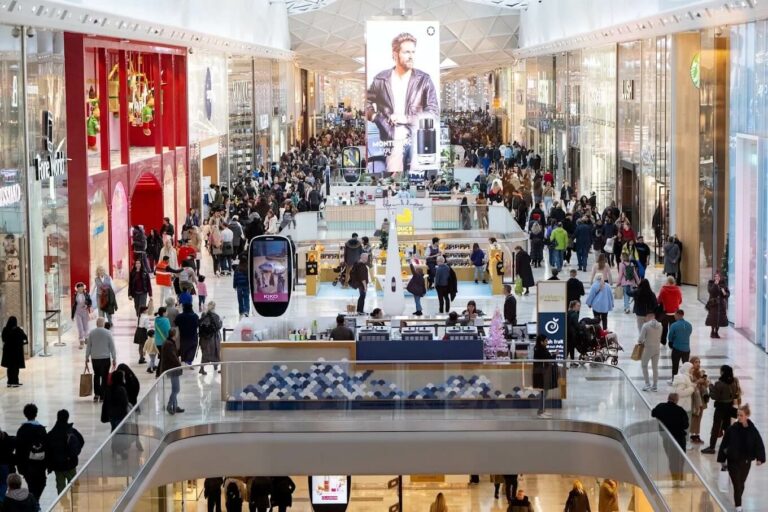
Bluewater opens its first new anchor since 1999. Next takes the former House of Fraser space with about 132,000 square…
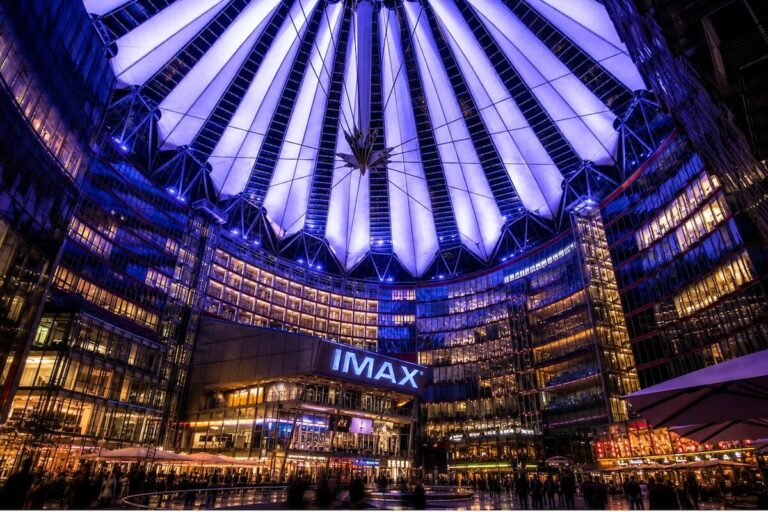
Opening in IMAX 70mm on July 17, 2026: Christopher Nolan's The Odyssey. Select shows went on sale one year in…

European retail is scaling AI, agentic commerce and retail media, but consumer trust is becoming the constraint. Four structural shifts…
Mall operators are no longer leasing space for pop-ups. They are selling audience access.
