
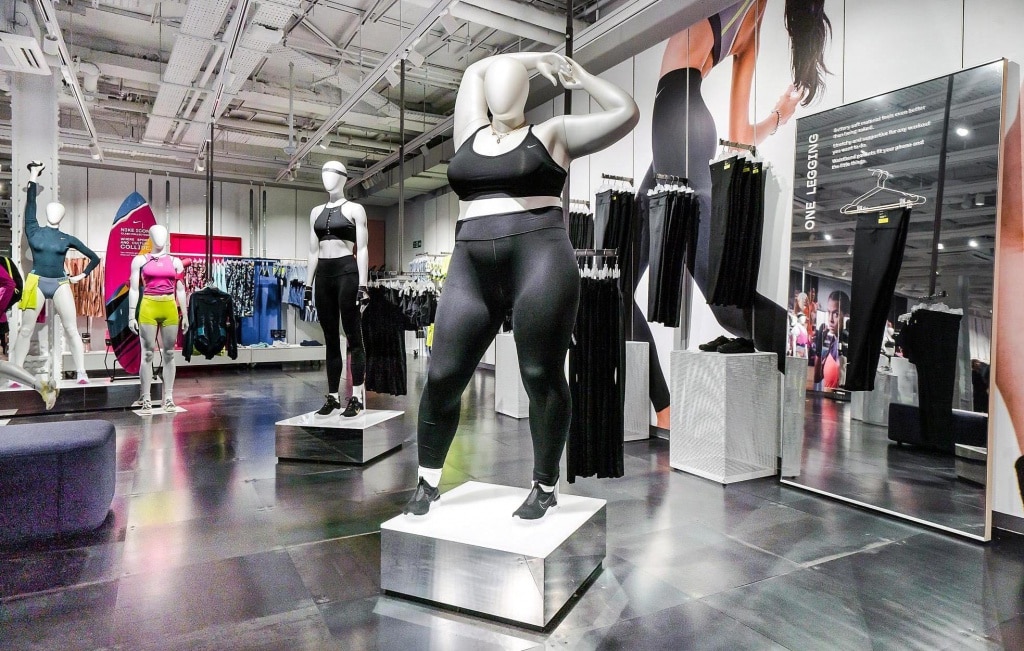
Nike has redesigned the women’s part of its flagship shop in London, showing plus-size mannequins.
Nike, one of the largest manufacturers of sportswear, has pleased many consumers by presenting a plus-size mannequin in its flagship store on Oxford Street in London. Now, in the women’s department of the outlet, visitors can see a female mannequin of large shapes, dressed in a black sports bra and leggings, with arms raised above her head.
The dummy appeared two years after the company introduced a collection of large sizes. And today, Nike – perhaps the first major brand to present such mannequins. However, the manufacturer is not alone in such matters. So, earlier this year, big mannequins appeared in retail outlets Old Navy and Nordstrom. Also, more and more manufacturers of very different clothes are striving to include models of large sizes in new collections.
The problem of non-standard sizes is much more acute than it seems at first glance. Thus, according to research firm Plunkett Research, more than half of adult American women (67%) wear large-sized clothes. So, without paying any attention to this market, ignoring sizes that do not correspond to the standard canons of fashion, manufacturers lose consumers and additional revenues.
Custom size rulers have already been introduced by brands such as Target, Forever 21, Aerie, and Reformation. For example, last year, Target received a lot of praise for collaborating with Victoria Beckham in creating her large-size Ava & Viv clothing line. A company Reformation, releasing a collection of Reformation x Ali Tate Cutler, said customers: “Sorry, that we take so long.” Walmart is also not lagging – last year, the network announced the purchase of Eloquii, a brand engaged in fashionable clothing of large sizes for women.
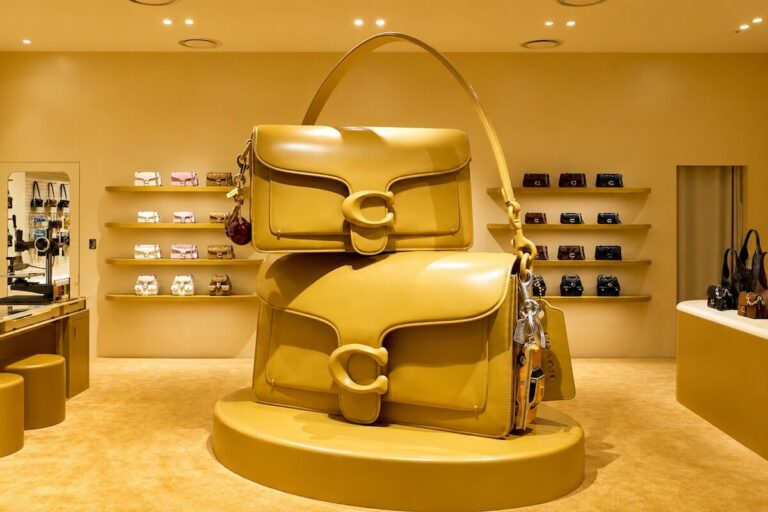
Gross margins and selected profit metrics for Coach, Pop Mart, lululemon, Miniso, Five Below, TJX and Costco, plus where each…
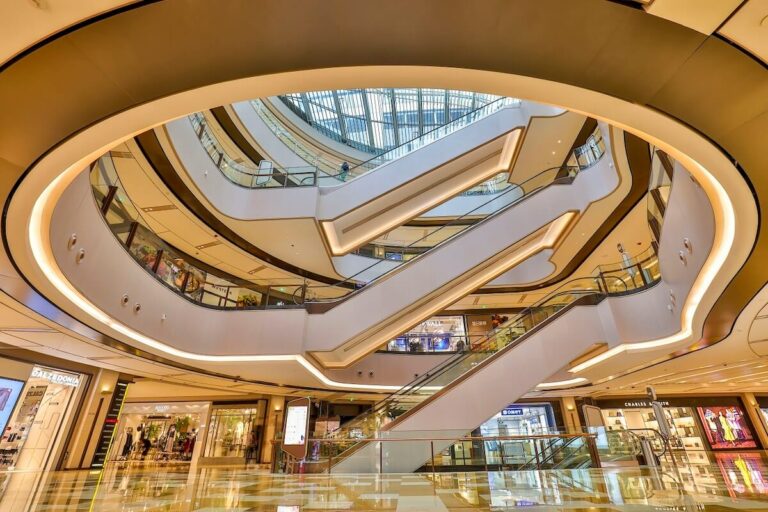
NikeSKIMS, Birkenstock and Starbucks Reserve chose HKRI Taikoo Hui for major China debuts. Why the Shanghai complex keeps winning new…
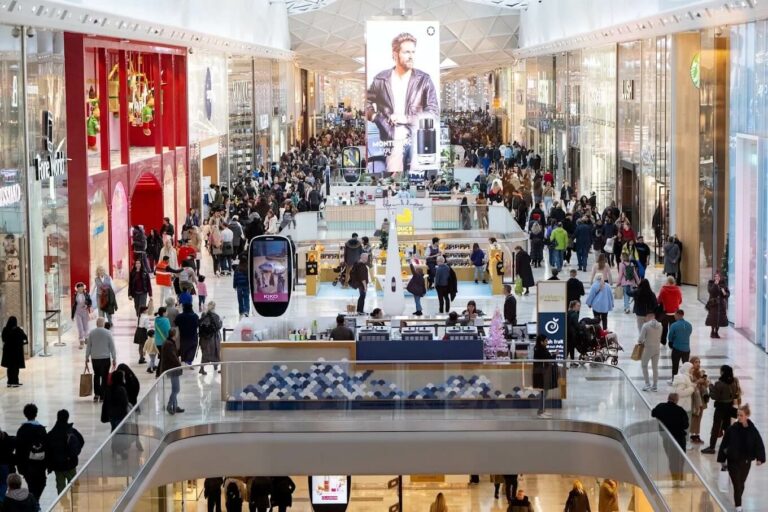
Bluewater opens its first new anchor since 1999. Next takes the former House of Fraser space with about 132,000 square…
Opening in IMAX 70mm on July 17, 2026: Christopher Nolan's The Odyssey. Select shows went on sale one year in…

European retail is scaling AI, agentic commerce and retail media, but consumer trust is becoming the constraint. Four structural shifts…
Mall operators are no longer leasing space for pop-ups. They are selling audience access.
